 Adhorika Khan
Staring at a makeup aisle (or a beauty influencer’s 20-step routine) can make applying makeup feel impossibly complicated. It isn’t. Behind every flawless look is a simple, logical order of steps — and once you know it, you can create a polished, natural face in minutes. You don’t need dozens of products or professional skills to look put-together; you just need the basics, applied in the right sequence.
This beginner’s guide walks through how to apply makeup step by step, what each product does, and the simple techniques that make the biggest difference. Start here, practice a little, and you’ll build confidence fast.
Start With Skincare — Makeup’s Secret Foundation
The best makeup starts before any makeup goes on. Well-prepped skin makes everything apply more smoothly and last longer. Cleanse, apply a moisturizer suited to your skin, and — in the daytime — always finish with sunscreen. Let everything absorb for a few minutes. Skipping this step is why makeup sometimes looks cakey or patchy; hydrated, smooth skin is the real foundation of a good look.
The Step-by-Step Order
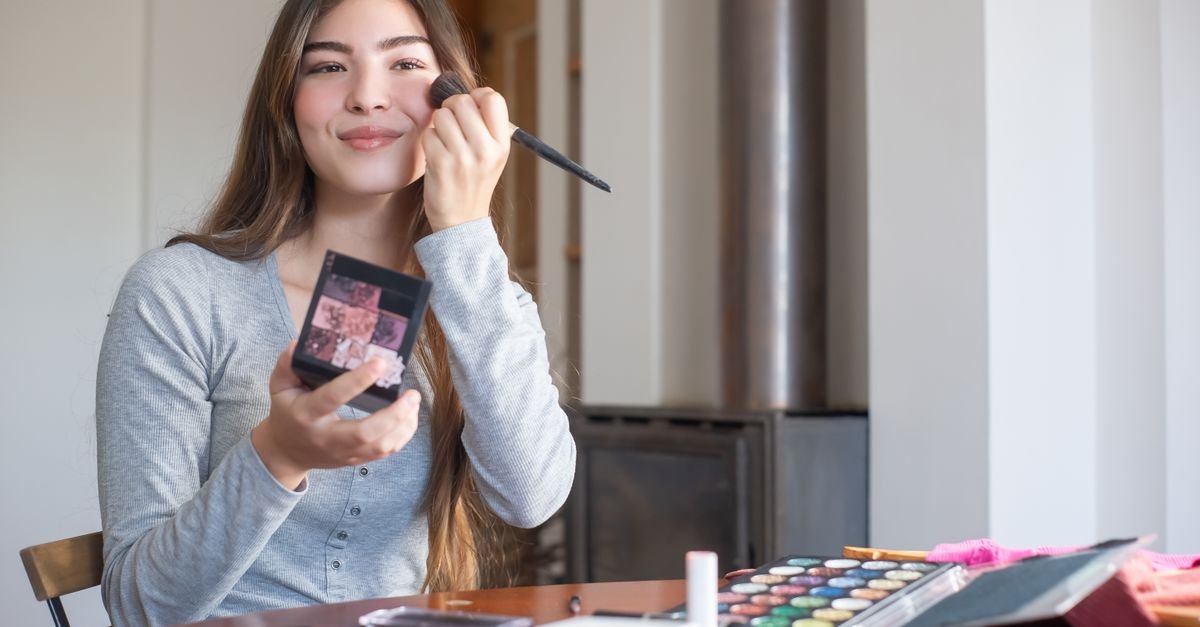
Makeup, like skincare, follows a sequence. Here’s the beginner-friendly order that works.
1. Primer (Optional but Helpful)
Primer creates a smooth base, helps makeup grip, and makes it last longer. Beginners can skip it, but if your makeup tends to slide off or settle into pores, a primer is worth adding.
2. Foundation or Tinted Moisturizer
This evens out your skin tone. Beginners often find a lightweight foundation or tinted moisturizer easiest — it gives a natural finish that’s hard to overdo. Apply a small amount and build up only if needed. Blend outward from the center of your face with a brush, sponge, or clean fingers, making sure to blend down the neck so there’s no visible line.
3. Concealer
Concealer covers what foundation doesn’t — under-eye circles, blemishes, and redness. Apply a little where needed and gently pat (don’t rub) to blend. For under-eyes, a shade slightly lighter than your skin brightens the area. Less is more; you can always add more.
4. Set With Powder
A light dusting of setting powder, focused on areas that get oily (like the T-zone), keeps everything in place and reduces shine. Skip heavy powder on dry areas to avoid a cakey look.
Recommended on Amazon
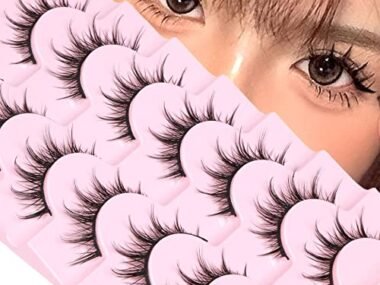
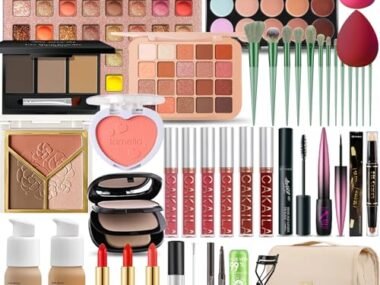
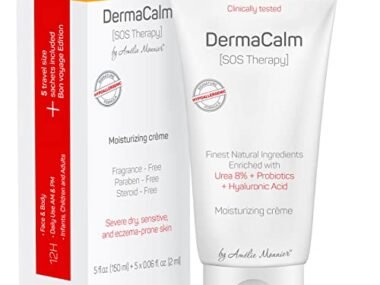
Beginner-friendly essentials to start with:
As an Amazon Associate, AdoreVogue earns from qualifying purchases.
5. Eyebrows
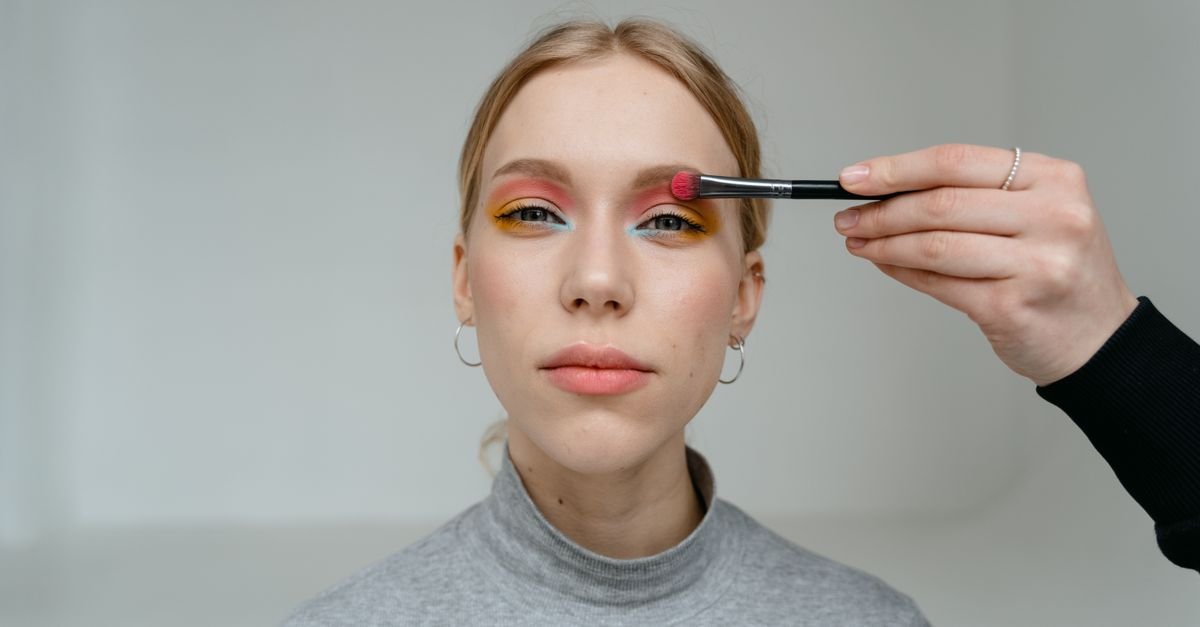
Brows frame the face and make a big difference. Lightly fill any sparse areas with a pencil or powder in short, hair-like strokes, then brush through with a spoolie for a natural look. Don’t over-darken — soft, defined brows look best.
6. Eyes
For beginners, keep eyes simple: a neutral eyeshadow swept across the lid, optionally a slightly deeper shade in the crease for dimension. Then a coat or two of mascara to open up the eyes. You can add eyeliner once you’re comfortable — it’s not essential for a natural look.
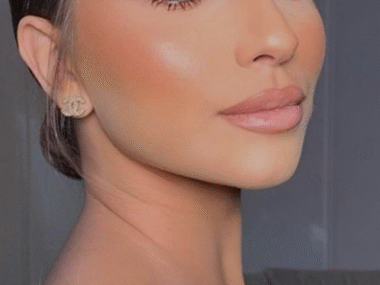
7. Blush
Blush brings your face to life. Smile and apply a little to the apples of your cheeks, blending up toward the temples. It adds a healthy, natural flush — a small amount makes a big difference.
8. Lips
Finish with lip color — a tinted balm or nude shade for everyday, something bolder for a statement. Beginners often love a simple lip tint or gloss that’s easy to apply without precision.
The Tools That Make It Easier
Good application is partly about good tools. A basic brush set, a blending sponge, and a spoolie for brows cover most needs. A damp sponge gives foundation a natural, skin-like finish; brushes give more control and coverage. Keep your tools clean — washing them regularly prevents breakouts and helps makeup apply smoothly. You don’t need an enormous collection; a few quality tools go a long way.
Choosing the Right Shades
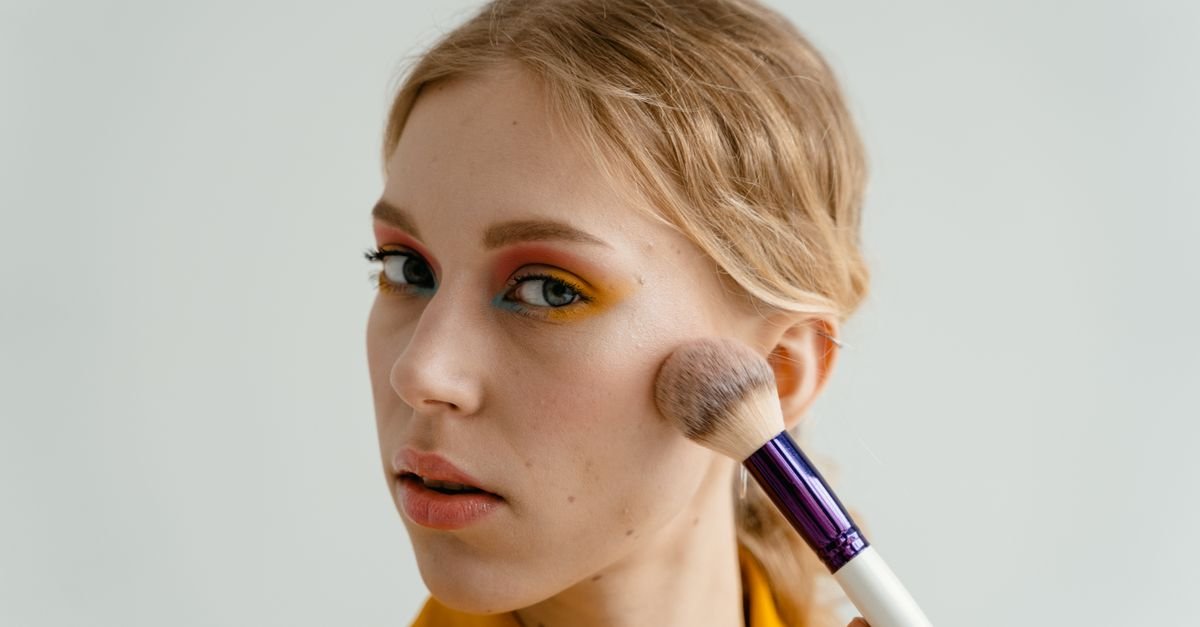
Matching your shades is what makes makeup look natural rather than obvious. Test foundation along your jawline in natural light — the right shade disappears into your skin. For blush and lips, soft, your-skin-but-better tones are the most flattering and forgiving for beginners. When unsure, go lighter and more neutral; you can always build up.
Less Is More: The Beginner’s Mantra
The most common beginner mistake is using too much product. Start with small amounts and build gradually — it’s far easier to add than to remove. A natural, “your skin but better” look is more flattering (and more forgiving) than heavy, full-coverage makeup. As you practice, you’ll learn exactly how much your face needs. Confidence and clean application matter more than the number of products.
Removing Your Makeup Properly
The routine isn’t done until your makeup comes off at night. Always remove makeup before bed — sleeping in it clogs pores and ages skin. Use a gentle makeup remover or cleansing oil, follow with your regular cleanser, and finish with moisturizer. Treating your skin well after makeup keeps it healthy, which in turn makes your makeup look better tomorrow.
Frequently Asked Questions
What order do you apply makeup in?
Skincare and primer first, then foundation, concealer, setting powder, eyebrows, eyes, blush, and lips last. Following this order gives a smooth, natural, long-lasting result.
What makeup products do beginners actually need?
A lightweight foundation or tinted moisturizer, concealer, a brow product, mascara, blush, and a lip color cover the essentials. You can add more as you grow confident.
How do I make my makeup look natural?
Prep your skin, use a light hand and build gradually, match your shades to your skin in natural light, and blend well. “Less is more” is the key to a natural look.
Do I need expensive makeup or lots of brushes?
No. A few quality tools — a brush set, a sponge, and a spoolie — and a handful of well-matched products are plenty. Clean application matters more than price or quantity.
Key Takeaways
- Prep skin first — cleanse, moisturize, and apply sunscreen for a smooth base.
- Follow the order: primer, foundation, concealer, powder, brows, eyes, blush, lips.
- Use a few quality tools and keep them clean for smooth application.
- Match your shades in natural light and start with small amounts — less is more.
- Always remove your makeup at night to keep your skin healthy.
Our Best Makeup Product Guides
Ready to build your makeup bag? Once you have the technique down, these hand-tested guides walk you through the best products for every step of your look:
- Best Lip Oils — glossy, hydrating picks for your lips
- Best Cream Blushes — a dewy, natural flush
- Best Bronzers — a sun-kissed glow
- Best Highlighters — for a lit-from-within glow
- Best Waterproof Mascaras — smudge-proof lashes
- Best Eyeshadow Palettes Under $30 — for every eye color
- Best Eyelash Growth Serums — fuller lashes over time
- Best Foundation — the perfect base for your skin type
- Best Tinted Moisturizers — fresh, natural everyday skin
Applying makeup is a skill anyone can learn — it just takes the right order, a few good basics, and a little practice. Start simple, build confidence, and have fun with it. For more, explore our Makeup Techniques and read our complete skincare routine guide for the healthy skin that makes makeup look its best.


 Adhorika Khan