 Adhorika Khan
Here’s the sentence that reframes every haircare struggle: your scalp is skin — and healthy hair is grown, not repaired, which makes the scalp the only place your routine can actually change the hair you’ll have next year. A good scalp care routine is simpler than the internet suggests: wash as often as your scalp type genuinely needs, exfoliate gently when buildup collects, treat flaking with proven actives instead of folklore, and leave the follicles in peace to do their work.
This guide builds that routine step by step — oily, dry, flaky, and sensitive scalps included — and separates the dermatology from the marketing in the fast-growing “skinification of hair” aisle.
Key Takeaways
- The scalp is an extension of your face’s skin — oil glands, barrier, microbiome and all — and it responds to the same logic.
- Wash frequency is scalp-type math, not a virtue contest: oily scalps can wash daily; dry ones can’t coast forever either.
- Most stubborn flaking is dandruff (a yeast issue), not dryness — and oiling it makes it worse, not better.
- Buildup is real but over-scrubbing is worse: gentle chemical exfoliation beats aggressive physical scraping.
- Sudden itching, pain, sores, or patchy hair loss are dermatologist territory — no shampoo fixes what needs a diagnosis.
Why Does Scalp Care Matter for Hair?
Every strand on your head is produced by a follicle embedded in scalp skin, sharing its blood supply, its oil production, and its inflammation levels. The strand itself is dead the moment it emerges — we’ve covered why that matters in our honest guide to repairing damaged hair — which means shine serums are cosmetics, but scalp care is agriculture.
Research increasingly connects poor scalp condition (excess oil, flaking, inflammation) with dull, weaker hair growth. The logic is intuitive: irritated soil, struggling crop. You don’t need a twelve-step program; you need the right basics, consistently.
Meet Your Scalp: Oil, Barrier, and a Microbiome
Three characters run the show up there. Sebum — the natural oil — coats and protects the scalp and conditions the first inches of hair; too much makes roots greasy, too little leaves skin tight. The barrier — the same lipid mortar we discuss in our skin barrier guide — keeps moisture in and irritants out. And the microbiome — a resident community including a yeast called Malassezia — lives on every human scalp, harmless in balance and dandruff-causing when it isn’t.
Every good scalp routine is just keeping those three in balance. Every bad one is usually over-correcting a single symptom until the other two rebel.
What Scalp Type Do You Have?
Same bare-face logic as our skin type guide, applied upstairs. Oily: roots look greasy within a day of washing; strands separate into strings. Dry: tightness and fine, dusty flakes; hair lacks slip from root to tip. Flaky/dandruff-prone: larger, sometimes yellowish flakes with itch — often despite an oily scalp (more on that plot twist below). Sensitive: stinging or burning with fragranced products, redness at the hairline. Balanced: comfortable for two to three days post-wash — protect what works and skip the aisle entirely.
One honest test: how does your scalp feel 24 hours after washing? Comfortable = balanced. Greasy = oily. Tight = dry. Itchy with flakes = keep reading.
Step One: Get Washing Right (It’s 80% of Scalp Care)
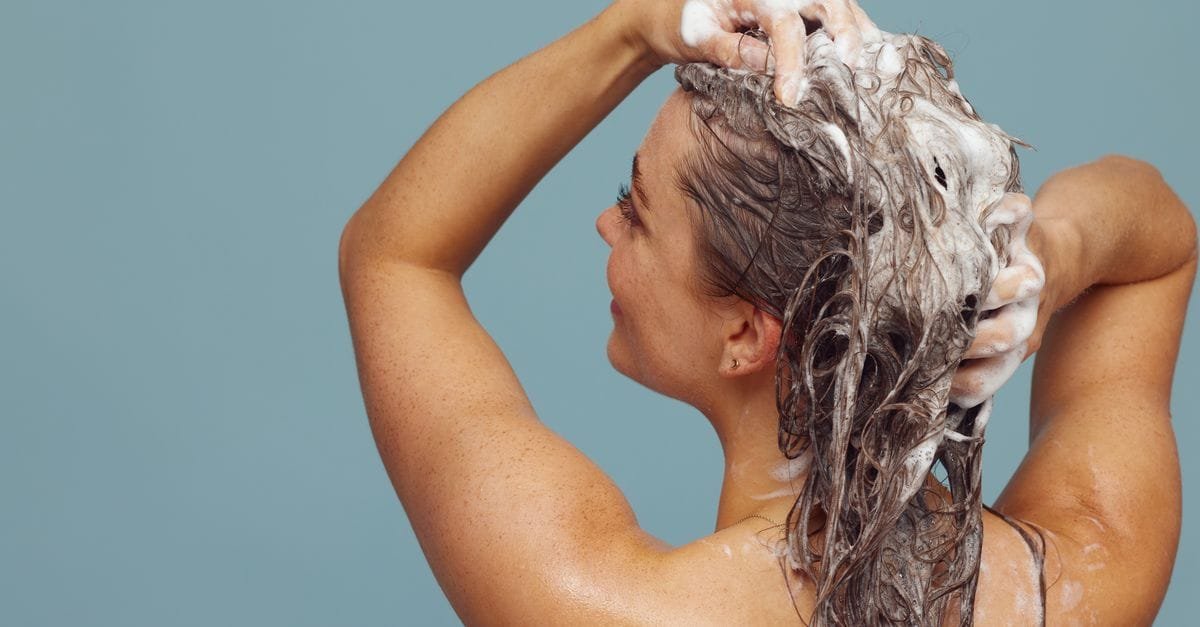
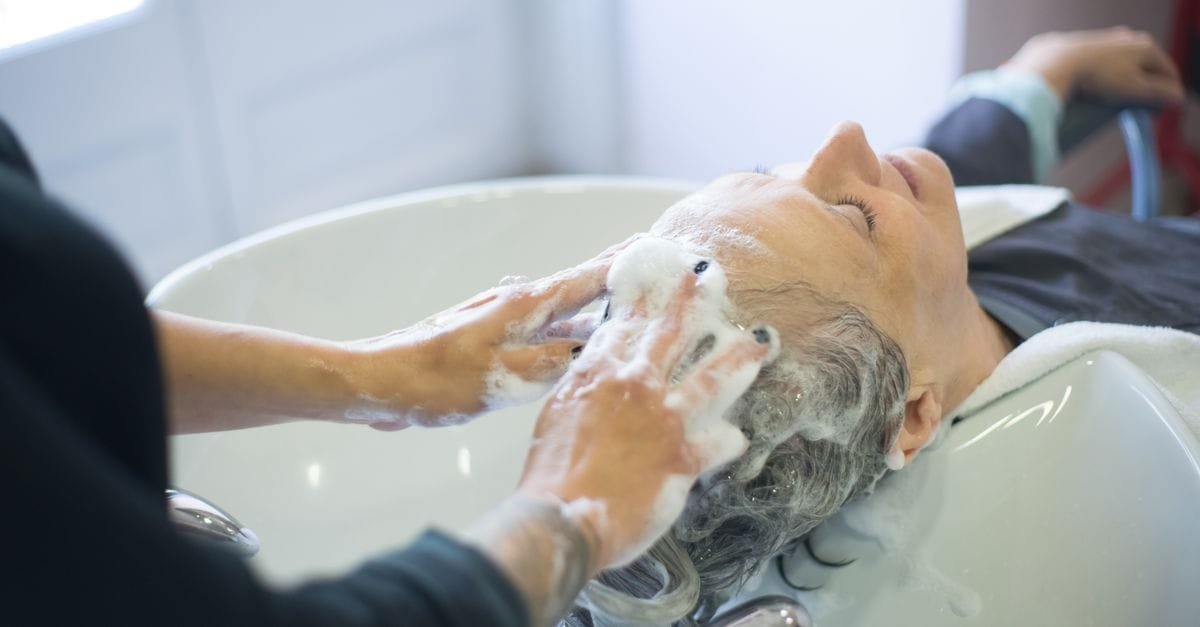
Shampoo exists to clean the scalp — the lengths get sufficiently clean from the rinse-through. Massage shampoo into the scalp with fingertip pads (never nails) for a full minute, and let the suds simply run down the strands.
Frequency is the lever most people have set wrong, in both directions. Oily scalps can genuinely wash daily with a gentle formula; dry and coily hair types may thrive at once or twice weekly; and chronic under-washing lets oil and yeast throw a party that ends in itch and flakes. We’ve mapped the full frequency-by-type chart in our how often to wash your hair guide — the two-sentence version: wash when the scalp is dirty, not when the calendar says so, and “training” your scalp to be less oily by skipping washes is a myth that mostly trains buildup.
Water Temperature and Technique
Lukewarm, not lava — hot water strips the barrier and triggers rebound oiliness, exactly like over-hot cleansing does to your face. Rinse longer than feels necessary; residue is self-inflicted buildup. If you use heavy stylers or dry shampoo, a periodic clarifying wash resets the field — then return to gentle.
Step Two: Exfoliation — Does Your Scalp Need a Scrub?
The scalp sheds skin cells like the rest of you, and between shampoos those cells mix with oil, sweat, and product into what the industry politely calls buildup. Signs you have it: hair that’s limp at the roots the day after washing, low-grade itch without visible flakes, and a scalp that feels coated rather than clean.
Chemical exfoliation wins here, same as on your face: a salicylic-acid (BHA) scalp treatment once a week dissolves the oil-bound buildup gently and evenly — the same oil-soluble logic from our AHA vs BHA guide, since the scalp is nothing but oily-skin terrain. Physical scrubs and firm silicone shampoo brushes work too, used lightly; fingernail-scraping and gritty aggressive scrubs micro-injure the exact skin you’re trying to help.
Frequency reality check: once weekly for oily or product-heavy scalps, every other week for most others, and skip exfoliation entirely on broken, irritated, or sunburned skin.
Step Three: Treat the Flakes — Dandruff Truths
The plot twist most people miss: classic dandruff is not dry skin. It’s an inflammatory response to Malassezia yeast overgrowth — and that yeast eats scalp oil. That’s why dandruff often hits oily scalps, why it worsens when you under-wash, and why “moisturizing” a flaky scalp with oils can literally feed the problem. (Regular readers will recognize this yeast — it’s the same character behind fungal acne.)
The proven fixes live in the drugstore aisle, not the boutique: shampoos with zinc pyrithione, ketoconazole, or selenium sulfide target the yeast itself. Technique matters more than brand: lather onto the scalp, let it sit a full three to five minutes so the active can work, then rinse. Use two to three times weekly until controlled, then taper to maintenance.
True dry-skin flaking does exist — fine, powdery flakes on a tight, non-itchy scalp — and that’s where gentler washing, cooler water, and lightweight hydration actually are the answer. Matching the flake to the fix is the whole game.
Step Four: Hydration and Oils — Who Actually Needs Them?
The “skinification” aisle now sells scalp serums with hyaluronic acid, niacinamide, and peptides. Honest read: dry and sensitive scalps can genuinely benefit from lightweight, fragrance-free hydrating serums; oily and dandruff-prone scalps mostly don’t need them and sometimes regret them.
Oiling deserves its own honesty paragraph. Pre-wash oiling is a beloved, legitimate tradition for dry scalps and coily textures — applied before shampooing, it cushions the wash. But oil left sitting on a dandruff-prone scalp feeds the yeast, and “overnight oiling cures dandruff” is the single most expensive myth in the scalp aisle. Know which scalp you own before you pour.
Step Five: Massage — Nice-to-Have or Growth Hack?
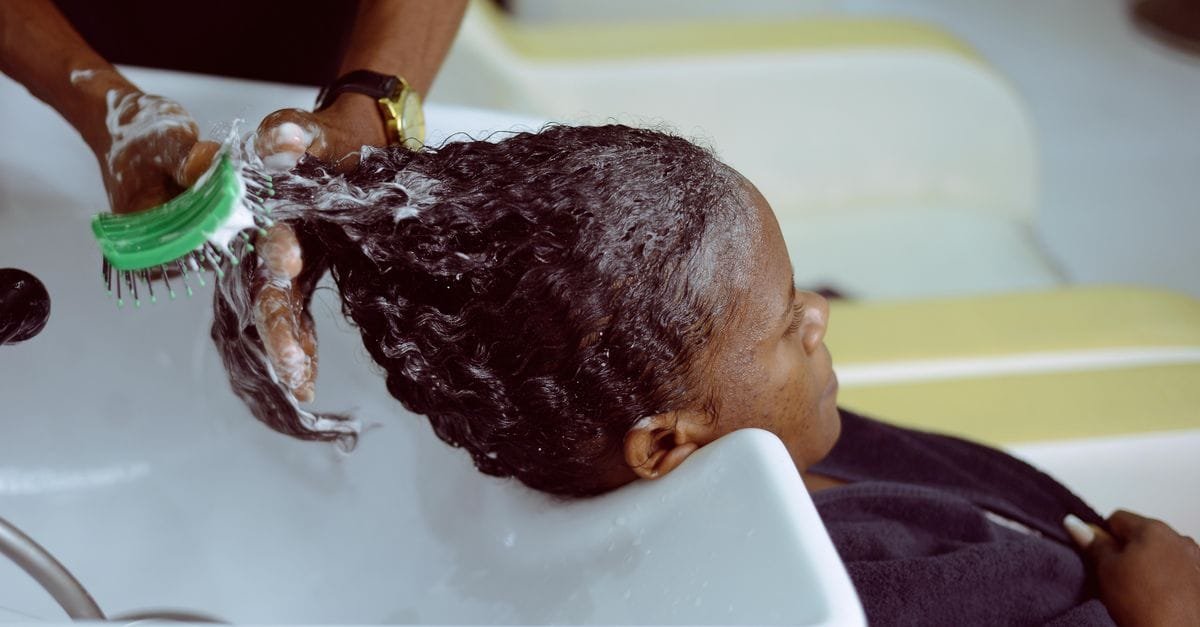
A daily few minutes of fingertip massage feels wonderful, measurably reduces stress, and improves local blood flow; small studies hint at modest thickness benefits over many months. Frame it accurately: a pleasant, free, low-evidence bonus — not a minoxidil replacement. If a scalp massager brush gets you to actually do it (and to shampoo more thoroughly), it’s earning its shelf space.
Protect the Scalp Like the Skin It Is
Three exposures people forget: sun — the part line burns first and ages like any skin; a hat or a mist sunscreen on exposed scalp during long sun days is the move (our SPF guide explains the numbers). Heat — blow-dryers aimed at the roots on high are barrier stress; keep them moving and warm, not hot. Tension — tight ponytails and braids pull at follicles daily; chronic traction genuinely thins hairlines, and loosening the style is the entire cure when caught early.
Your Scalp Routine by Type: The Cheat Sheet
Oily: gentle shampoo daily or near-daily · BHA exfoliant weekly · skip heavy oils and rich serums · clarify after heavy styling weeks.
Dry: wash 1–3× weekly, lukewarm · hydrating fragrance-free serum after washes · optional pre-wash oil · exfoliate gently every other week.
Dandruff-prone: anti-fungal shampoo (zinc/ketoconazole/selenium) 2–3× weekly with the 3–5 minute sit · no oil sitting on the scalp · taper to weekly maintenance once calm.
Sensitive: fragrance-free everything · patch-test behind the ear · lukewarm water · introduce one product at a time, exactly like our ingredient dictionary preaches for the face.
Balanced: keep doing what you’re doing — seriously. A working scalp needs maintenance, not a makeover.
Common Scalp Mistakes That Sabotage Hair
Scratching with nails (micro-wounds + more itch), hot-water washing (barrier stripping + rebound oil), conditioner on the scalp when only lengths need it (instant buildup for most), dry shampoo as a lifestyle rather than a bridge (it’s powder buildup with good PR), skipping the rinse-out clock on medicated shampoos (thirty seconds does nothing — give actives their minutes), and chasing ten products when the problem is wash frequency. As everywhere in skincare: fewer things, done correctly, win.
When to See a Dermatologist
Self-care has honest limits, and the scalp hides serious conditions well. Book a professional when you notice: patchy or sudden hair loss (round bare patches, handfuls in the drain), thick scaly plaques that resist dandruff shampoo (possible psoriasis), sores, crusts, pustules, or pain, a persistently burning or itching scalp with nothing visible, or dandruff that laughs at eight weeks of proper anti-fungal use (possible seborrheic dermatitis needing prescription strength). None of these are shampoo problems — and early treatment protects follicles that late treatment can’t always save.

The Bottom Line
Scalp care is skincare with worse lighting: know your type, wash accordingly, exfoliate gently when buildup collects, hit flakes with proven anti-fungals instead of oils, and protect the whole field from sun, heat, and tension. Do that consistently and you’re not just fixing an itch — you’re upgrading every centimeter of hair your follicles produce from today forward.
The short honest shopping list, if you need one:
The short, honest shopping list:
Does Diet Affect Your Scalp?
Less than the supplement aisle claims, more than zero. The scalp is high-turnover tissue, so genuine deficiencies show up there early: crash diets and very low protein intake are classic triggers for diffuse shedding a few months later, and low iron, zinc, or omega-3 levels can leave the scalp dry and the hair lackluster.
The honest hierarchy: adequate protein, overall balanced eating, and hydration do real work; targeted supplements only help if a blood test found the deficiency they target. No gummy vitamin out-performs a working wash routine, and no diet cures yeast-driven dandruff — that job still belongs to the anti-fungal shampoo.
If shedding ramps up suddenly despite a steady routine, mention recent diet changes, illness, or major stress to your doctor — temporary shedding (telogen effluvium) follows those events on a delay, and it recovers on its own once the trigger resolves.
Frequently Asked Questions
What is a good scalp care routine?
Wash your scalp as often as its type needs with fingertip massage, exfoliate gently with a BHA treatment when buildup collects, use an anti-fungal shampoo for dandruff-type flaking, and protect the scalp from sun, high heat, and tight styles. Consistency beats complexity.
How do I know if my scalp is dry or has dandruff?
Dry-scalp flakes are fine and powdery on a tight, mildly itchy scalp. Dandruff flakes are larger, often yellowish and oily, with real itch — caused by yeast that feeds on scalp oil, which is why oiling dandruff usually worsens it.
Should I oil my scalp?
Only if it’s genuinely dry: pre-wash oiling can cushion dry and coily-textured scalps. On oily or dandruff-prone scalps, oil feeds the Malassezia yeast behind flaking. Match the practice to your scalp type, not the trend.
How often should I exfoliate my scalp?
Once weekly for oily or product-heavy scalps, every other week for most others — ideally with a gentle salicylic-acid treatment rather than harsh physical scrubs. Never exfoliate broken or irritated skin.
Does scalp massage really grow hair?
Evidence is modest: massage improves blood flow and small studies suggest slight thickness gains over months. Enjoy it as a free, relaxing bonus — not as a treatment for genuine hair loss, which deserves a dermatologist.
Can I use skincare ingredients like niacinamide on my scalp?
Yes — the scalp is skin, and lightweight fragrance-free serums with niacinamide or hyaluronic acid can help dry, tight scalps. Oily and flake-prone scalps usually don’t need them; anti-fungal actives matter more there.
When should I see a doctor about my scalp?
Patchy or sudden hair loss, thick scaly plaques, sores or pain, persistent burning, or flaking that survives eight weeks of proper dandruff shampoo all warrant a dermatologist — these need diagnosis, not another product.


 Adhorika Khan