 Adhorika Khan
Vitamin C is one of the most powerful and well-loved skincare ingredients — a brightening antioxidant that fades dark spots, evens skin tone, boosts collagen, and defends against daily damage. The golden rules: use it in the morning, layer it under sunscreen, and store it away from light and air. This complete guide covers what vitamin C does, the different forms, what strength to choose, how to use it, what to pair it with, and how to pick a serum that actually works.
If you want brighter, more even, more radiant skin, vitamin C is the ingredient dermatologists reach for first. It works beautifully alongside sunscreen by day and retinol by night, making it a cornerstone of a complete routine. But it’s also easily wasted — the wrong form, poor packaging, or bad storage can leave you with an oxidized, useless serum. Here’s how to get it right.
What Is Vitamin C in Skincare?
Vitamin C (ascorbic acid) is a potent antioxidant your skin uses to protect and repair itself. In skincare, it’s prized for two big jobs: neutralizing the free radicals created by sun and pollution that age your skin, and inhibiting excess melanin production that causes dark spots and uneven tone. It also plays an essential role in collagen synthesis, helping keep skin firm and smooth. Because your body can’t make vitamin C and topical application delivers it right where you want it, a good vitamin C serum is one of the most effective daytime treatments you can use.
The Benefits of Vitamin C for Skin
Vitamin C is a multitasker, which is why it earns a place in so many routines:
- Brightens dull skin for a healthy, radiant glow
- Fades dark spots, sun damage, and uneven tone by reducing excess melanin
- Boosts collagen, helping soften fine lines and maintain firmness
- Protects against free-radical damage from UV and pollution
- Enhances your sunscreen, adding a layer of antioxidant defense during the day
- Helps fade post-acne marks and supports overall skin clarity
As with most actives, the results build with consistent use over several weeks — vitamin C rewards patience.
The Different Forms of Vitamin C
Not all vitamin C is the same, and the form affects potency and stability. L-ascorbic acid is the purest and most researched form — highly effective but less stable and more likely to irritate sensitive skin. Gentler, more stable derivatives include sodium ascorbyl phosphate (SAP) and magnesium ascorbyl phosphate (MAP), which suit sensitive or acne-prone skin, and tetrahexyldecyl ascorbate (THD ascorbate), an oil-soluble form that penetrates well and is very stable. Ascorbyl glucoside is another mild, stable option. Beginners and sensitive skin often do best starting with a derivative; those wanting maximum proven results may prefer L-ascorbic acid.
What Concentration Should You Use?
For L-ascorbic acid, concentrations between 10% and 20% are the sweet spot — effective without unnecessary irritation. Beginners should start around 10% to build tolerance, working up if their skin is comfortable; going much above 20% offers little extra benefit and more risk of irritation. Gentler derivatives are often used at different (sometimes higher) percentages because they’re milder. The key isn’t chasing the highest number — it’s choosing a stable, well-formulated product at a sensible strength that your skin tolerates and you’ll use daily.
How to Use Vitamin C in Your Routine
Vitamin C is best used in the morning, where its antioxidant protection complements your sunscreen against daytime damage. Apply it to clean skin after cleansing (and toner, if you use one), before moisturizer and sunscreen. A few drops are enough. Give it a minute to absorb, then continue your routine. Start using it every other morning if your skin is sensitive, building to daily. While vitamin C can technically be used at night too, mornings give you the most benefit thanks to the sunscreen synergy.
Vitamin C and Sunscreen: A Perfect Pair
Vitamin C and sunscreen are a power couple. Sunscreen blocks and filters UV rays, while vitamin C mops up the free radicals that slip through, giving you stronger overall daytime protection than either alone. This is exactly why vitamin C is a morning ingredient. It does not replace sunscreen — you still need broad-spectrum SPF every day — but layered underneath, it meaningfully boosts your defense and helps prevent the dark spots and aging that sun causes. For the full picture, see our complete guide to sunscreen and SPF.
What to Pair (and Not Pair) With Vitamin C
Vitamin C plays well with several ingredients and needs care with others. It works brilliantly with vitamin E and ferulic acid, which stabilize it and boost its antioxidant power — many top serums combine all three. Hyaluronic acid pairs nicely for hydration (see our guide to the best hyaluronic acid serum). The old worry about not mixing vitamin C with niacinamide is largely a myth for modern formulas, though sensitive skin may prefer to use them at different times. With retinol, the simplest approach is vitamin C in the morning and retinol at night. And avoid layering it directly with strong exfoliating acids if your skin is reactive.
Vitamin C for Your Skin Concerns
Vitamin C suits a wide range of goals. For dark spots and hyperpigmentation, it’s a frontline brightening ingredient (paired with diligent sunscreen). For dullness, it restores radiance. For early aging, its collagen support and antioxidant defense help maintain firmness and prevent damage. For post-acne marks, it helps fade discoloration over time. Sensitive or acne-prone skin should choose a gentle derivative form. Whatever your concern, consistency and sun protection are what unlock vitamin C’s full potential.

How to Choose a Vitamin C Serum
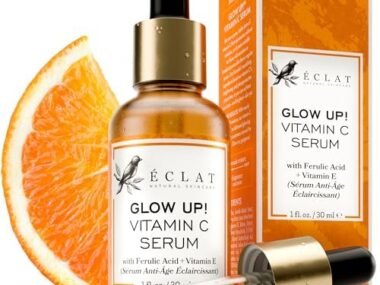
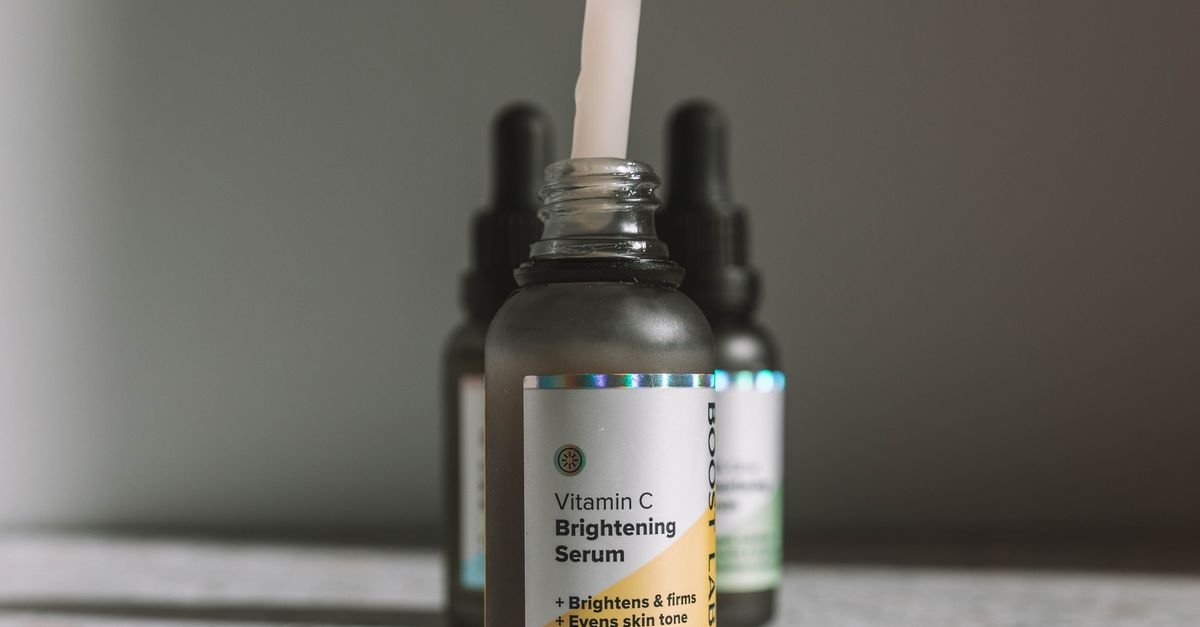
A great vitamin C serum comes down to formulation and packaging as much as the percentage. Look for: a stable form or a well-formulated L-ascorbic acid with vitamin E and ferulic acid; an appropriate concentration (10–20% for L-ascorbic acid); and crucially, opaque, airtight packaging (dark glass or an airless pump) to protect it from light and air. Avoid serums sold in clear jars or droppers exposed to light. Reading recent reviews helps you spot products that stay effective. Browse our picks in the best vitamin C serums to compare well-formulated options, plus a reliable vitamin C serum with ferulic acid to consider.

Why Vitamin C Oxidizes (and How to Tell)
Vitamin C — especially L-ascorbic acid — is notoriously unstable. When exposed to light, air, and heat, it oxidizes and loses effectiveness, and can even become mildly irritating. The tell-tale sign is color: a fresh serum is usually clear or pale, and as it oxidizes it turns yellow, orange, then brown. A deeply brown serum has degraded and won’t deliver results. This is why airtight, opaque packaging, cool storage, and using it within a few months of opening matter so much. If your serum has turned dark brown, it’s time to replace it.
How to Store Vitamin C
Proper storage protects your investment. Keep your vitamin C serum tightly closed, away from direct sunlight and heat — a cool, dark cabinet (or even the fridge for some formulas) works well. Always replace the cap promptly, and try to use the product within a few months of opening, since potency declines over time once exposed to air. Buying smaller sizes you’ll finish before they oxidize is often smarter than a large bottle that degrades. Treat vitamin C as the delicate active it is, and it’ll reward you.
Possible Side Effects
Vitamin C is generally well tolerated, but some people — especially with sensitive skin or higher concentrations of L-ascorbic acid — may experience tingling, redness, or mild irritation. To minimize this, start with a lower strength or a gentler derivative, introduce it slowly (every other day at first), and always patch-test a new product. If irritation persists, switch to a milder form. As with any active, listen to your skin and build up gradually rather than rushing.
Common Vitamin C Myths
A few myths cause confusion. “You can’t use vitamin C with niacinamide” — modern formulas make this a non-issue for most people. “Higher percentage is always better” — beyond about 20% L-ascorbic acid, you gain little and risk irritation. “Vitamin C replaces sunscreen” — never; it complements SPF, it doesn’t replace it. “All vitamin C serums are the same” — form, concentration, and packaging make an enormous difference. Letting go of these myths helps you choose and use vitamin C wisely.
Common Mistakes to Avoid
The most common mistakes are using an oxidized (brown) serum, storing it in light or heat, choosing a product in clear packaging, skipping sunscreen, expecting overnight results, and over-applying. Some people also give up too soon — vitamin C typically needs several weeks of consistent use to show its brightening benefits. Avoid these pitfalls, store and use your serum correctly, pair it with daily SPF, and be patient. Done right, vitamin C is one of the most rewarding ingredients in skincare.
How Vitamin C Works (The Science)
Vitamin C earns its reputation through a few well-studied mechanisms. As a potent antioxidant, it donates electrons to neutralize free radicals — the unstable molecules generated by UV light and pollution that damage skin cells and accelerate aging. It also inhibits tyrosinase, the enzyme that drives melanin production, which is how it fades dark spots and brightens uneven tone. On top of that, vitamin C is a necessary cofactor for the enzymes that build collagen, so it supports firmer, smoother skin. This combination — antioxidant defense, pigment control, and collagen support — is why one ingredient can address so many concerns at once.
Vitamin C vs. Other Brightening Ingredients
Vitamin C isn’t the only brightener, and knowing the alternatives helps you build a smart routine. Niacinamide brightens, controls oil, and strengthens the barrier — gentle and great alongside vitamin C. Alpha arbutin and kojic acid target pigment and pair well for stubborn dark spots. Licorice root is a soothing natural brightener. Azelaic acid tackles both pigmentation and breakouts. Vitamin C stands out for combining brightening with antioxidant protection, but many people layer it with these complementary ingredients (or alternate them) for even better results on tone and clarity.
Vitamin C for Dark Spots & Hyperpigmentation
Fading dark spots is one of vitamin C’s most popular uses. By slowing excess melanin production, it gradually evens out sun spots, post-acne marks, and general discoloration. For best results, use it consistently every morning, pair it with rigorous daily sunscreen (UV undoes brightening progress), and give it time — pigmentation is stubborn and fades slowly. For more resistant cases, combining vitamin C with other brighteners like niacinamide or alpha arbutin, and a nighttime retinoid, can speed things along. Patience plus sun protection is the winning formula.
Vitamin C for Anti-Aging
Beyond brightening, vitamin C is a genuine anti-aging ingredient. Its collagen-supporting role helps maintain firmness and soften the look of fine lines over time, while its antioxidant action prevents much of the daily damage that causes premature aging in the first place. Used every morning under sunscreen, it protects the work your skin does to stay youthful. While it won’t reverse deep wrinkles on its own, as part of a routine with sunscreen by day and retinol by night, vitamin C is a valuable pillar of a complete anti-aging approach.
How Long Until You See Results?
Vitamin C rewards patience. Many people notice a brighter, fresher look within a few weeks, but meaningful fading of dark spots and improvements in tone typically take around 8 to 12 weeks of consistent daily use — some dermatologists say closer to three months. Because results are gradual, taking a “before” photo helps you appreciate the change. The most common reason people think vitamin C “didn’t work” is stopping too soon or using an oxidized serum. Stay consistent, store it well, and give it time to do its job.
Serum vs. Cream vs. Powder
Vitamin C comes in several formats. Serums are the most popular — lightweight, concentrated, and fast-absorbing, ideal for layering. Creams and moisturizers with vitamin C are gentler and convenient, though often lower in active concentration. Vitamin C powders let you mix a fresh dose into your serum or moisturizer, solving the stability problem since you activate it on the spot — but they require a little effort and care. For most people, a well-formulated serum in good packaging offers the best balance of potency and ease.
Topical vs. Dietary Vitamin C
Eating vitamin C (citrus, berries, peppers) supports overall health and your skin from within, but it won’t deliver the same targeted, concentrated dose to your skin that a topical serum does. The two work in different ways and complement each other: a healthy diet supports your skin generally, while a topical serum places a high concentration of vitamin C exactly where you want its brightening and antioxidant effects. For visible skin benefits like fading dark spots, the topical serum is what does the heavy lifting.
Why You Shouldn’t DIY Vitamin C
It’s tempting to make a homemade vitamin C serum, but it’s genuinely a bad idea. DIY versions are unstable, oxidize almost immediately, are formulated at an unpredictable (often skin-irritating) pH, and lack the stabilizers and penetration enhancers that make commercial serums effective. You can easily end up with an irritating, useless mixture. Properly formulated serums exist precisely because vitamin C is difficult to stabilize and deliver. This is one ingredient where it’s well worth buying a professionally made product rather than experimenting at home.
Vitamin C for Sensitive Skin
If your skin is reactive, you can still enjoy vitamin C — just choose wisely. Opt for a gentler derivative like sodium ascorbyl phosphate or magnesium ascorbyl phosphate rather than pure L-ascorbic acid, start with a lower concentration, and introduce it slowly (every other morning). Buffer it by applying to slightly damp skin or following with a soothing moisturizer, and always patch-test first. A gentle vitamin C serum for sensitive skin makes it easy to get the brightening benefits without the sting.
Building Vitamin C Into a Full Routine
Vitamin C shines as part of a complete, balanced routine. A simple, powerful framework: morning — cleanse, vitamin C serum, moisturizer, sunscreen; night — cleanse, treatment (like retinol), moisturizer. This pairs vitamin C’s daytime antioxidant protection with retinol’s nighttime renewal, all anchored by daily SPF. It also layers beautifully into a gentle routine such as {{kbeauty}}. You don’t need a cabinet full of products — vitamin C, sunscreen, retinol, and a good moisturizer cover the essentials remarkably well.
Is Vitamin C Worth It?
For the vast majority of people, yes. Few ingredients offer such a versatile combination of brightening, antioxidant protection, and collagen support, all backed by solid research. The keys to getting your money’s worth are choosing a stable, well-packaged formula, storing it properly, pairing it with daily sunscreen, and using it consistently. Do that, and vitamin C becomes one of the highest-impact, best-value additions to a skincare routine — a genuine staple worth keeping for the long term.
Vitamin C for Men
Vitamin C is just as valuable for men, who experience the same sun damage, dark spots, and dullness. It fits effortlessly into a simple male routine: cleanse, apply a few drops of vitamin C serum, then moisturizer and sunscreen each morning. It’s lightweight, fast-absorbing, and leaves no residue, making it an easy add for anyone who wants brighter, healthier-looking skin without a complicated regimen. For men dealing with razor irritation or post-shave marks, vitamin C’s soothing, brightening effect is an added bonus.
Key Takeaways
- Vitamin C is a brightening antioxidant that fades dark spots, evens tone, boosts collagen, and defends against damage.
- Use it in the morning, layered under sunscreen for powerful daytime protection.
- L-ascorbic acid (10–20%) is the most proven; gentler derivatives suit sensitive skin.
- Choose serums in opaque, airtight packaging — and replace them once they turn brown.
- Be consistent and patient; results build over several weeks.
Frequently Asked Questions
What does vitamin C do for your skin?
Vitamin C brightens dull skin, fades dark spots and uneven tone, supports collagen, and protects against free-radical damage from sun and pollution. Used under sunscreen, it also boosts your daytime defense.
When should I apply vitamin C — morning or night?
Mornings are best, because vitamin C’s antioxidant protection complements your sunscreen against daytime damage. Apply it after cleansing, before moisturizer and SPF.
What strength of vitamin C should I use?
For L-ascorbic acid, 10–20% is the effective range; start around 10% if you’re new or sensitive. Gentler derivatives are used at varying strengths because they’re milder.
Can I use vitamin C with retinol and niacinamide?
Yes — use vitamin C in the morning and retinol at night. The old “don’t mix with niacinamide” warning is largely a myth for modern formulas, though sensitive skin may prefer to separate them.
Why did my vitamin C serum turn brown?
It has oxidized from exposure to light, air, or heat, and lost effectiveness. Store it in opaque, airtight packaging somewhere cool, and replace it once it’s deeply brown.
Does vitamin C replace sunscreen?
No. Vitamin C complements sunscreen by neutralizing free radicals, but it doesn’t block UV. You still need broad-spectrum SPF every day.
How long does vitamin C take to work?
You may see a brighter complexion within a few weeks, but fading dark spots and evening tone usually takes 8–12 weeks of consistent daily use. Patience and daily sunscreen are key.
Can I make my own vitamin C serum at home?
It’s not recommended — DIY vitamin C is unstable, oxidizes fast, and can irritate skin at the wrong pH. A professionally formulated serum is far more effective and safer.
Is vitamin C good for sensitive skin?
Yes, if you choose a gentler derivative (like sodium or magnesium ascorbyl phosphate), start at a low strength, and introduce it slowly. Patch-test first and buffer with moisturizer if needed.
Should I use vitamin C every day?
Yes — daily morning use gives the best results, layered under sunscreen. If your skin is sensitive, start every other morning and build up to daily as it adjusts.
Health note: this guide is for general information and isn’t medical advice. If you have a skin condition or concerns about pigmentation, please consult a dermatologist.


 Adhorika Khan