 Adhorika Khan
Acne-prone skin needs special care and techniques. Makeup can help cover blemishes and enhance confidence.
For those struggling with acne, choosing the right makeup techniques is crucial. It can make a big difference in how you feel and look. Acne-prone skin has unique challenges. It requires gentle products and methods to avoid irritation. You want to showcase your beauty without aggravating your skin.
This blog will guide you through effective makeup techniques. These tips will help you achieve a flawless look while being kind to your skin. Whether you’re new to makeup or looking for better strategies, you’ll find helpful advice here. Embrace your natural beauty and learn how to enhance it safely. Let’s explore how to make makeup work for you, not against you.

Credit: in.pinterest.com
Prepping The Skin
Prepping the skin is crucial for acne-prone individuals. A proper routine can improve makeup application and help manage breakouts. It sets the stage for smoother makeup and aids in healing. With the right steps, makeup can enhance rather than irritate.
Cleansing Routine
Start with a gentle cleanser. Choose one that targets acne without drying. Avoid harsh scrubs that might irritate. Use lukewarm water to prevent skin stress. Pat your face dry with a soft towel. This protects the skin’s barrier and prepares it for the next steps.
Hydrating Essentials
Hydration is vital for acne-prone skin. Opt for oil-free moisturizers to maintain balance. Look for ingredients like hyaluronic acid or glycerin. These provide moisture without clogging pores. Apply evenly on the face, focusing on dry areas. A hydrated base ensures makeup adheres smoothly.
Choosing The Right Products
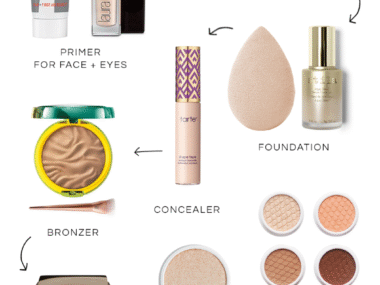
Choosing the right makeup products for acne-prone skin can feel like navigating a maze. You want coverage, but you also want to avoid clogging pores and aggravating your skin. The key is selecting products that cater specifically to your skin’s needs. Let’s dive into what makes a product suitable for acne-prone skin.
Non-comedogenic Options
Ever grabbed a foundation and felt regret after it caused a breakout? That’s why non-comedogenic products are your best friends. These are designed to not block pores, reducing the risk of new pimples forming. Look for labels that explicitly say “non-comedogenic.” It’s a game-changer for keeping your skin calm while achieving that flawless look.
Consider brands that prioritize acne-friendly formulas. Neutrogena and Clinique have ranges specifically targeted at acne-prone skin. They offer foundations and powders that won’t suffocate your pores. What if you could wear makeup and feel confident it’s not harming your skin?
Sensitive Skin Formulas
Acne-prone skin often goes hand-in-hand with sensitivity. Products for sensitive skin are gentle, often free from irritants like fragrance and alcohol. They help maintain your skin’s balance while offering coverage. Think of them as the soothing balm your skin needs.
Look for calming ingredients like aloe vera or chamomile. These can help soothe redness and irritation while you wear your makeup. Have you ever noticed how a product with the wrong ingredients can lead to an itchy, uncomfortable day? Picking the right formula can make all the difference.
Embrace brands that are known for their hypoallergenic lines. Aveeno and CeraVe are great examples. They focus on formulations that nurture sensitive skin while offering the beauty benefits you crave. How often do you check the label for skin-friendly ingredients?
Choosing the right makeup products can transform your beauty routine from a potential skin disaster into a harmonious relationship with your skin. What steps will you take to ensure your skin stays happy and healthy?
Primer Application
Primer application can be a game-changer for those with acne-prone skin. A good primer not only preps your skin for makeup but also acts as a barrier to protect against clogged pores and breakouts. This step is crucial in achieving a smooth, long-lasting finish.
Mattifying Primers
Mattifying primers are your best friend if you struggle with excess oil. They help control shine and keep your makeup intact throughout the day. A great option is the Rimmel Stay Matte Primer, which ensures your face stays matte without feeling heavy.
Do you often find your makeup slipping off by midday? Mattifying primers can help you avoid this common issue. They absorb excess oils, providing a clean canvas for your foundation.
Pore-minimizing Benefits
Acne-prone skin often comes with enlarged pores. A pore-minimizing primer can make a noticeable difference in your makeup routine. Products like Benefit’s POREfessional are renowned for smoothing out skin texture.
Imagine looking in the mirror and seeing fewer visible pores. This type of primer blurs imperfections, offering a flawless finish that boosts your confidence. Have you ever tried a pore-minimizing primer and felt like your skin looked smoother instantly?
Primer application can transform your makeup experience, especially when dealing with acne-prone skin. Whether you need a mattifying effect or pore-minimizing benefits, choosing the right primer can be a step towards achieving the smooth, radiant skin you desire. What primer will you try next?
Foundation Techniques
Acne-prone skin demands gentle foundation techniques. Choose non-comedogenic products to prevent clogged pores. Dab foundation with a clean sponge for smooth coverage.
Dealing with acne-prone skin can be challenging, especially when applying foundation. The goal is to achieve a smooth, natural look without aggravating your skin. But how do you apply foundation that covers blemishes without looking heavy? The key lies in mastering a few essential techniques that can transform your makeup routine into a skin-friendly process.Buildable Coverage
Start with a thin layer of foundation. This allows you to gradually build up coverage where you need it most. Use a damp beauty sponge or a soft brush to apply your foundation. This ensures a more even distribution and prevents your skin from looking overloaded with product. Opt for a foundation that’s labeled “buildable” and designed for sensitive skin. Many brands offer formulas that can cover redness and blemishes without clogging pores. Have you tried using a green color corrector under your foundation? It can neutralize redness, allowing you to use less product overall.Avoiding Cakey Finish
Have you ever looked in the mirror midday only to find your makeup looking cakey? This is a common issue when applying foundation on acne-prone skin. The trick is to use a light hand and blend thoroughly. Set your foundation with a translucent powder only in areas where you tend to get oily. This helps control shine without adding extra layers. Consider using a setting spray to lock in your look. A fine mist can keep your makeup in place while maintaining a fresh appearance. Using a primer before foundation can also help. Look for one that blurs imperfections and provides a smooth canvas. Ever noticed how your foundation settles into fine lines or dry patches? A good primer can minimize this issue, ensuring a more flawless finish. By refining your foundation techniques, you can enjoy a comfortable, confident makeup experience. What small changes can you make today to improve your routine? Your skin will thank you.Concealing Imperfections
Discover effective makeup techniques to cover acne-prone skin. Begin with a gentle primer to smooth the surface. Use a lightweight, non-comedogenic foundation that matches your skin tone. A concealer with high coverage hides blemishes without clogging pores. Finish with a setting powder to keep everything in place.
Concealing imperfections on acne-prone skin can feel like a challenging task, but it doesn’t have to be. With the right techniques, you can achieve a smooth, flawless look that boosts your confidence. Let’s dive into some practical tips and strategies that can make a real difference. ###Color Correction Tips
Color correction is a game-changer for those with acne-prone skin. It involves using complementary colors to neutralize redness and discoloration. For redness, a green-tinted primer or concealer works wonders. Apply a thin layer on the red areas and blend gently. For dark spots or under-eye circles, a peach or orange corrector can brighten and even out your complexion. Remember, the key is to use a small amount and build up coverage as needed. Are you ready to see how these subtle hues can transform your skin tone? ###Spot Treatment Strategies
Spot treatment is your best friend for targeting individual blemishes. Use a full-coverage concealer that matches your skin tone closely. Dab a small amount onto the blemish using a clean brush or your fingertip. Gently blend the edges without wiping the product away. Set it with a translucent powder to lock the concealer in place and prevent it from wearing off throughout the day. Have you ever noticed how a tiny dab of concealer can make a world of difference on a pesky pimple? Remember, less is more when concealing imperfections. Overloading product can highlight texture instead of hiding it. Keep experimenting with these techniques, and soon you’ll master the art of concealing like a pro.
Credit: janeiredale.com
Setting Makeup
Setting makeup is crucial for acne-prone skin. It ensures your look stays fresh all day. A good setting method can prevent breakouts. It also helps control oil and shine. This step locks in your makeup. It provides a smooth, matte finish. Choosing the right setting product is essential. Let’s explore the options.
Powder Vs. Spray
Powder and spray are common setting choices. Each offers unique benefits. Powder is great for oil control. It absorbs excess shine. Apply it with a fluffy brush. Tap off excess before applying. It minimizes breakouts. Make sure the powder is non-comedogenic.
Spray can be refreshing. It seals makeup without weight. Sprays are easy to apply. Hold the bottle at arm’s length. Mist lightly over your face. Choose a spray with soothing ingredients. Look for formulas with aloe or chamomile.
Long-lasting Formulas
Long-lasting formulas are key for acne-prone skin. They ensure makeup stays in place. These formulas resist sweat and oil. Look for products labeled as long-wearing. Matte finishes help prevent shine. They are ideal for oily skin.
Waterproof formulas are another good choice. They withstand humidity and sweat. This is helpful in warmer climates. Always remove long-wearing makeup at the end of the day. Use a gentle cleanser to avoid irritation.
Blush And Contour
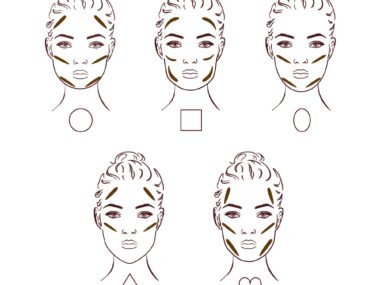
Applying blush and contour can enhance your natural beauty. For acne-prone skin, these techniques require careful selection and application. The right products and methods can prevent irritation and breakouts. Let’s explore how to achieve a flawless look without compromising skin health.
Avoiding Breakouts
Choose non-comedogenic blush and contour products. These formulas are less likely to clog pores. Cream-based options are often gentler on acne-prone skin. Clean brushes and sponges regularly to avoid bacteria build-up. Avoid heavy layers which can suffocate the skin. Apply makeup in a well-lit area to ensure even application.
Natural Look Techniques
Opt for subtle, natural hues that match your skin tone. Use light, sweeping motions for a soft finish. Blend thoroughly to avoid harsh lines. A stippling brush can create a gentle, airbrushed effect. Minimal product use enhances your features without overwhelming the skin. Prioritize hydration with a good primer to keep skin smooth.

Credit: escentual.com
Evening Routine
Acne-prone skin needs special care, especially in the evening. An effective evening routine helps maintain clear skin. It also prevents future breakouts. The right techniques can make all the difference.
Gentle Makeup Removal
Start with a gentle makeup remover. This helps avoid irritation. Choose products without alcohol or harsh chemicals. Micellar water is a good option. It cleans without stripping natural oils. Use a soft cotton pad for application. Gently wipe your face. Don’t rub too hard. This can worsen acne.
Nighttime Skincare
Follow makeup removal with proper skincare. Cleanse your face with a mild cleanser. This removes leftover dirt and oil. Opt for products labeled non-comedogenic. They don’t clog pores. After cleansing, apply a lightweight moisturizer. Look for ones with calming ingredients. Aloe vera or chamomile are great choices. They soothe irritated skin. Consider adding a treatment for acne. Salicylic acid or benzoyl peroxide can help. Use them sparingly. Overuse can dry out skin.
Consistency is key. Stick to your routine each night. Over time, you’ll see improvements.
Frequently Asked Questions
How To Do Makeup With Acne Prone Skin?
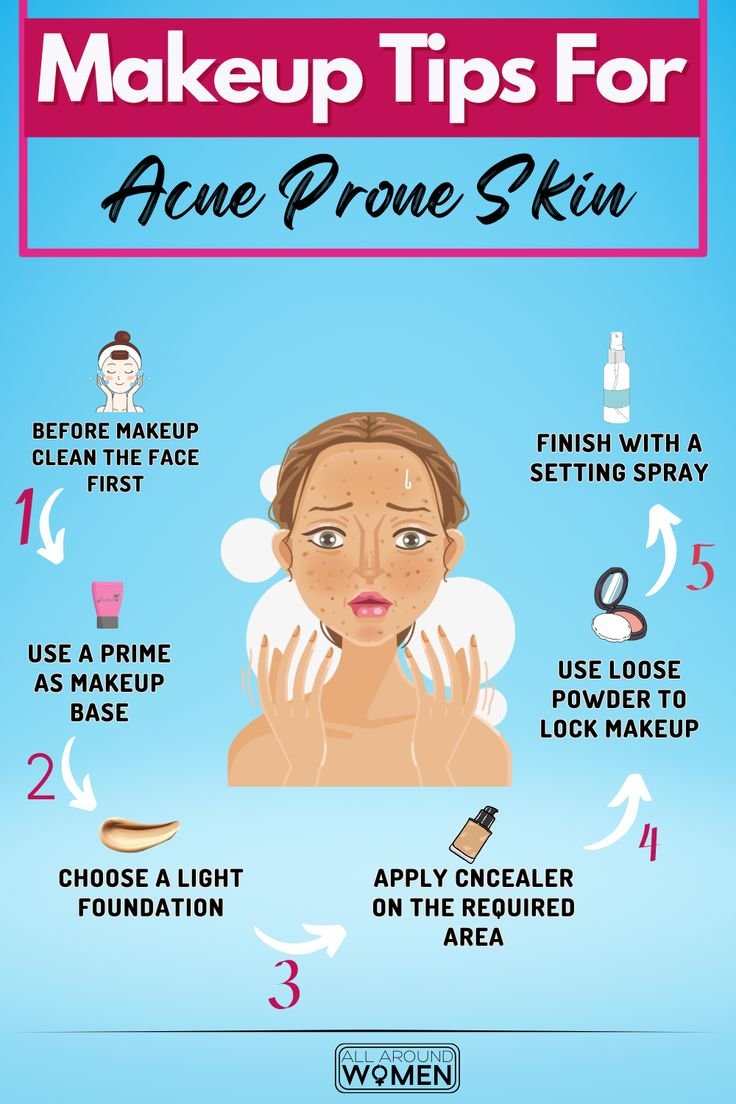
Start with a gentle cleanser and hydrating moisturizer. Use non-comedogenic makeup products to avoid clogging pores. Apply a primer to smooth the skin. Use a lightweight foundation with a beauty sponge for even coverage. Finish with a setting spray to ensure your makeup lasts all day.
Which Type Of Makeup Is Best For Acne Prone Skin?
Choose non-comedogenic makeup for acne-prone skin. Opt for mineral-based formulas to reduce irritation and prevent breakouts. Avoid heavy foundations and look for products labeled “oil-free” or “hypoallergenic. ” Use lightweight, breathable options to keep skin healthy and clear.
How To Properly Cover Up Acne With Makeup?
Start with a clean face. Apply a primer to smooth skin. Use a full-coverage concealer on acne spots. Blend gently with a makeup sponge. Finish with a matte foundation and setting powder for lasting coverage.
How To Wear Makeup Without Making Acne Worse?
Use non-comedogenic makeup to avoid clogging pores. Cleanse your face thoroughly before applying makeup. Apply a primer for a smooth base. Use clean brushes and sponges to prevent bacteria transfer. Remove makeup completely before bed to keep skin healthy.
Conclusion
Finding the right makeup techniques can boost your confidence. With the right products, your skin can look smooth and fresh. Remember to clean your brushes often to avoid bacteria. Choose non-comedogenic products to prevent clogging pores. Patience is key, as skin can be sensitive.
Practice makes perfect, so experiment to find what works best. Always remove makeup before bed to keep skin healthy. Embrace your unique beauty and let it shine through. Confidence is your best accessory. You got this!


 Adhorika Khan