 Adhorika Khan
Those stubborn little bumps on the backs of your arms — the ones no scrub has ever defeated — have a name, and knowing it changes everything. Keratosis pilaris (KP), nicknamed “chicken skin” or “strawberry skin,” is a genetic, completely harmless condition where dead skin protein (keratin) plugs the hair follicles. It cannot be cured — but it can be controlled remarkably well with keratolytic moisturizers: urea, lactic acid, or salicylic acid, applied consistently.
That last word — consistently — is the entire secret. This guide covers what KP actually is, the ingredient shortlist that works, the scrubbing trap that makes it worse, and the honest maintenance mindset that keeps arms smooth for good.
Key Takeaways
- KP is genetic and harmless — keratin plugs in follicles, not acne, not a hygiene issue, not contagious.
- Control, not cure: keratolytic lotions (urea, lactic acid, salicylic acid) smooth bumps in 4–8 weeks — and it returns when you stop.
- Aggressive scrubbing backfires — friction inflames follicles and deepens the redness.
- Moisture is half the treatment: KP worsens with dry skin, which is why winter is bump season.
- Most people improve with age — KP peaks in the teens and twenties and often softens after.
What Is Keratosis Pilaris, Exactly?
Your skin constantly produces keratin — the tough protein that forms its protective outer layer. In KP, follicles over-produce it: instead of shedding smoothly, keratin forms tiny hard plugs that cap each hair follicle, sometimes trapping a fine hair beneath. The result is that signature sandpaper texture — dozens to hundreds of pinpoint bumps, each one a plugged follicle.
The redness (or brown tint on deeper skin tones) around bumps is mild inflammation of the crowded follicle. On lighter skin KP reads pink-red; on medium and deep skin tones it often shows as darker dots — same condition, different pigment response.
Where it lives: backs of the upper arms (the classic), thighs, buttocks, and sometimes cheeks in children. It’s symmetric, rough to the touch, and — crucially — usually painless and only occasionally mildly itchy.
Why Do I Have It? (Spoiler: Thank Your Family)
KP is one of dermatology’s most common findings — it touches a huge share of teenagers and a large minority of adults — and it runs strongly in families. It travels with dry skin conditions: if you or your relatives have eczema or generally dry skin, KP is a frequent housemate. Hormonal years (adolescence, pregnancy) can amplify it, and dry climates and winters bring it out of hiding.
What it is not: a cleanliness problem, an allergy, a diet issue (evidence is thin to none), or anything dangerous. Nobody earned their KP. The only question worth energy is management.
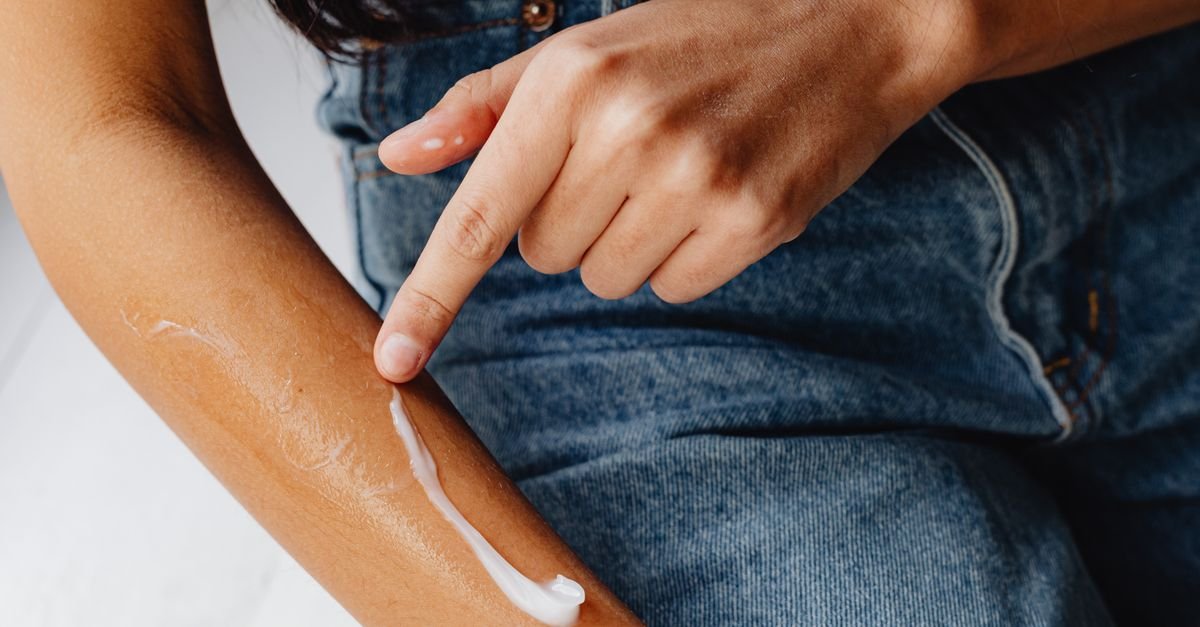
Is It Definitely KP? Quick Differentials
KP’s impostors, briefly: body acne has varied lesions (whiteheads, deeper spots) rather than uniform pinpoint sandpaper, and favors the back — our fungal acne guide covers the itchy, sweat-triggered version. Eczema patches are itchy, inflamed, and irregular rather than follicle-dotted. Folliculitis bumps are often pustular and can be tender. KP’s calling cards: uniform, dry, rough, symmetric, chronic, and almost boringly stable. When in doubt — especially with itch, pain, or spreading — a dermatologist can identify it at a glance.
The Treatment Shortlist: What Actually Smooths KP
Urea: The Underrated Champion
Urea is both a humectant (draws water in) and, at 10%+ concentrations, a keratolytic (softens and dissolves keratin plugs) — the exact two jobs KP needs. A 10–20% urea cream applied daily is many dermatologists’ first suggestion, gentle enough for eczema-adjacent skin.
Lactic Acid: The Classic
The AHA with the longest KP track record — it loosens the bonds holding dead cells together while moisturizing. Lotions in the 10–12% range, used consistently, are the traditional gold standard (the general acid logic lives in our AHA vs BHA guide).
Salicylic Acid: For the Stubborn Zones
Oil-soluble BHA dives into the follicle itself — useful for thicker plugs on thighs, or KP that coexists with body breakouts. Body washes and leave-on lotions both work; leave-ons work harder.
Glycolic Acid and Retinoids: The Escalation Tier
Glycolic body lotions turn over the surface faster; adapalene or prescription retinoids remodel follicle keratinization for severe or face-adjacent KP — effective but drying, so they’re step-ups, not starters.
The pattern you’ll notice: every winner is a chemical de-plugger in a moisturizing base. That combination is the whole science.
The Routine That Works (and Takes Four Minutes)
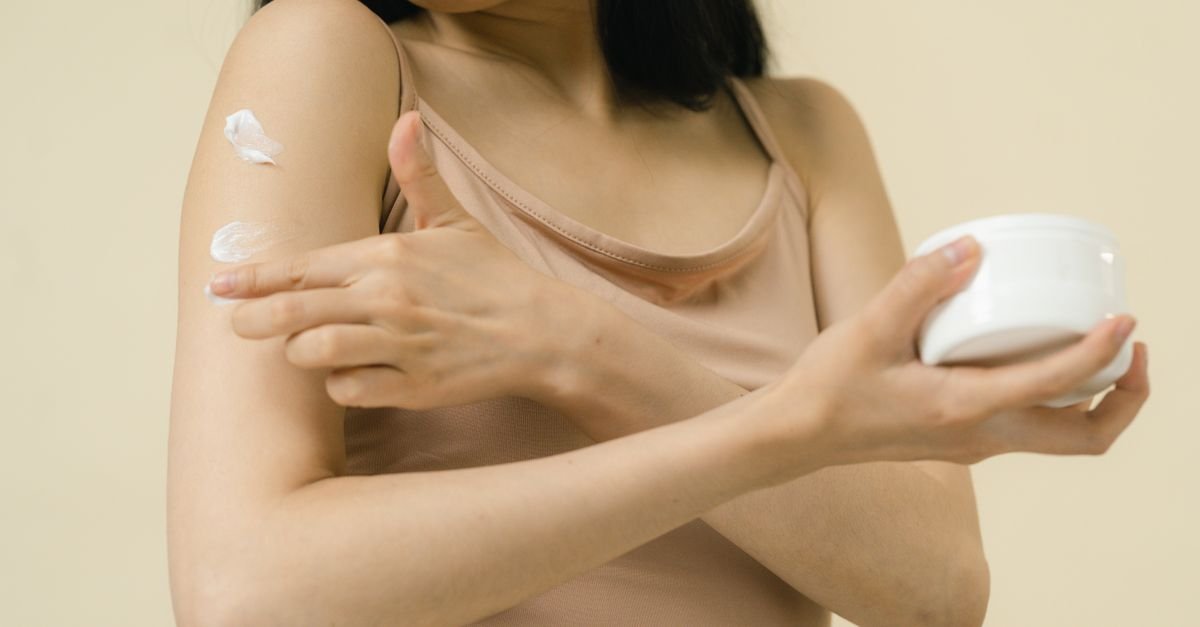
In the shower: lukewarm water — hot showers strip the already-dry skin KP loves — and a gentle or salicylic body wash; no scrubbing the bumps. The critical ninety seconds: pat semi-dry and apply your keratolytic lotion (urea or lactic acid) to damp skin — damp application multiplies moisturizer effectiveness. Nightly consistency beats weekend intensity: one daily application outperforms three products used sporadically.
Timeline honesty: smoother texture in three to four weeks, visible best-case around eight, redness fading slower than roughness. Take a phone photo now — progress this gradual hides from daily mirrors.
Why Scrubbing Is the Great KP Trap
The intuition is irresistible: bumps are “rough,” so sand them off. But the plug sits inside the follicle, below scrubbing depth — while the friction inflames the follicle walls, deepening the redness that bothers most people more than the texture. Gritty scrubs, loofahs on a mission, and “KP gloves” used with force all trade a week of smooth-feeling for a month of angrier-looking.
Gentle physical exfoliation (a soft washcloth, a light-touch konjac sponge) is fine as a supplement; the chemical de-pluggers remain the treatment. If your skin is red tonight from an enthusiastic scrub session, skip acids for a few days and just moisturize — the barrier repair playbook applies below the neck too.
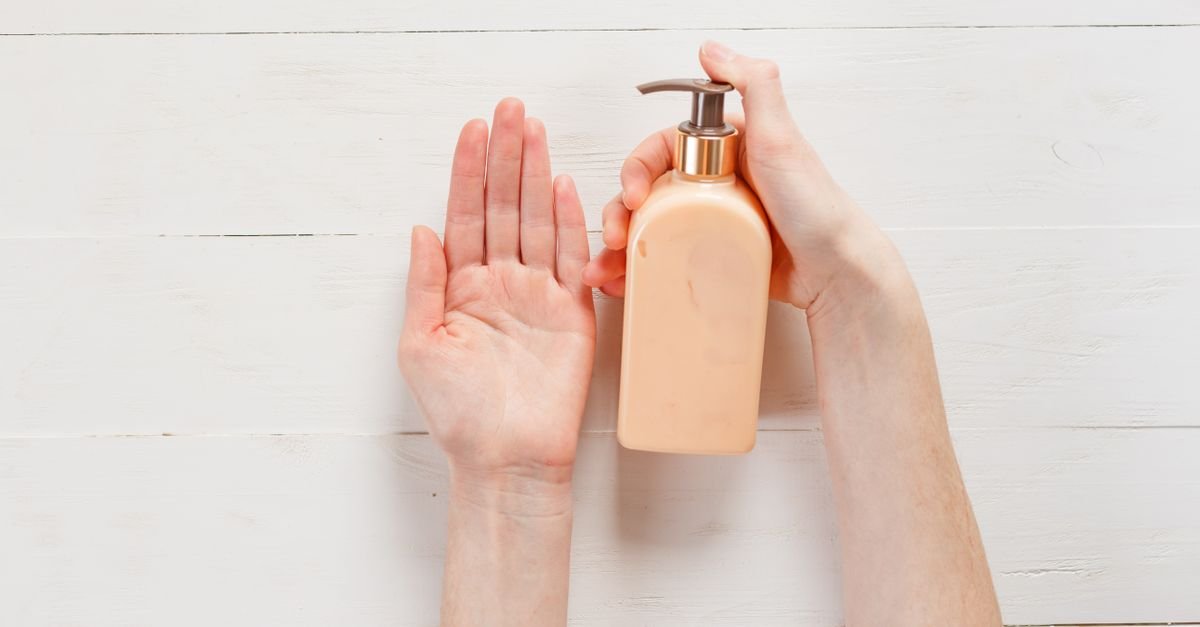
Moisture: The Unsexy Half of the Cure
KP tracks dryness so reliably that dermatologists treat moisturizing as therapy, not aftercare. The winter flare — central heating, hot showers, dry air — is a moisture story. Countermeasures: moisturize twice daily in cold months (the second application takes thirty seconds), shorten and cool the showers, consider a bedroom humidifier, and choose thicker creams over thin lotions when the air turns dry. Plenty of mild KP improves meaningfully on disciplined moisture alone — before any acid enters the routine. (Confused about whether your skin is dry or dehydrated? That distinction guide applies here.)
KP on the Face, and KP in Kids
Face: KP on cheeks (common in children and young adults) deserves gentler handling than arm KP — facial skin is thinner, so start with low-strength lactic acid or urea and moisturize seriously before considering retinoids. Redness-dominant facial KP (keratosis pilaris rubra) is worth a dermatologist look rather than a home acid campaign.
Kids: KP is extremely common in children and usually needs nothing but bland moisturizer and reassurance — save the acids for the teen years, and let the pediatrician confirm the diagnosis once.
Do Lasers or Professional Treatments Help?
For the redness component, vascular lasers can visibly calm stubborn KP rubra; for texture, laser hair removal sometimes helps when trapped hairs drive the plugging (notably on darker-skinned patients with prominent follicular pigment). These are refinements for KP that genuinely resists months of proper topical care — most people never need them, but it’s good to know the ladder has higher rungs.
The Maintenance Mindset: Control, Not Cure
Here’s the part most articles bury: stop the routine, and KP returns within weeks — not because the product “failed,” but because the follicles never stopped over-producing keratin. Reframe it like dental hygiene: brushing doesn’t cure plaque; it manages it, forever, cheaply. Once smooth, most people can downshift to maintenance — keratolytic lotion a few times weekly, daily in winter — and hold results indefinitely.
The genuinely good news: KP peaks in adolescence and the twenties, and for many people it quietly retreats with age. You’re managing a condition that’s statistically on its way out.
When to See a Dermatologist
Book a visit when: the bumps are painful, pustular, spreading fast, or intensely itchy (those aren’t KP’s style); redness dominates and bothers you (rubra variants have professional options); face involvement resists gentle care; or eight weeks of honest keratolytic-plus-moisture hasn’t improved texture — prescription-strength urea, lactic acid, or retinoids exist. And any single bump that grows, bleeds, or looks different from its thousand neighbors earns professional eyes on general skin-check principles.
KP and Self-Tanner: A Heads-Up
Self-tanner and KP have a famously unflattering chemistry: DHA develops color in exactly the protein-rich dead cells that form KP plugs, so bumpy zones tan darker and dottier than the surrounding skin — the polka-dot arm effect. If you fake-tan, run the keratolytic routine for at least a week beforehand, do your gentlest exfoliation the day before application, moisturize well the night before, and apply tanner with a mitt in thin passes over KP zones. Smoother follicles take color evenly; plugged ones announce themselves.
Your KP Starter Plan
Today: photo in daylight; shorten and cool the shower; moisturize damp skin. This week: add a 10%+ urea or lactic acid lotion nightly on the bumpy zones. Week 4: compare photos — texture should be turning. Week 8: smooth enough? Downshift to maintenance. Unmoved? Escalate one rung (salicylic or glycolic, or the dermatologist conversation). Simple, boring, effective — exactly how good skincare usually looks.
KP and Shaving, Waxing, and Hair Removal
Hair removal and KP have a complicated relationship. Shaving over active bumps nicks their tops, inviting irritation and ingrown-hair impostors; waxing inflames follicles that were already crowded. If you remove hair on KP-prone zones: shave at the end of a warm shower with a fresh blade and shave gel, go with the grain over bumpy patches, and moisturize immediately after.
The interesting exception: for some people with prominent trapped hairs, long-term laser hair removal genuinely improves KP’s look — fewer hairs, fewer plugged follicles. Not a first-line treatment, but a real consideration if you wanted laser anyway.
Reading a KP Lotion Label in Ten Seconds
The marketing says “rough & bumpy”; the INCI list says whether it works. Scan for one of the de-pluggers in a meaningful position: urea (ideally 10–20%, often stated on the front), lactic acid or ammonium lactate, salicylic acid (usually 1–2%), or glycolic acid. Supporting cast worth seeing: ceramides, glycerin, shea butter. If the hero ingredient is fragrance and the acids are absent, it’s a body lotion in a KP costume — pleasant, but it won’t move the bumps. (Label-reading tactics live in our ingredient dictionary.)
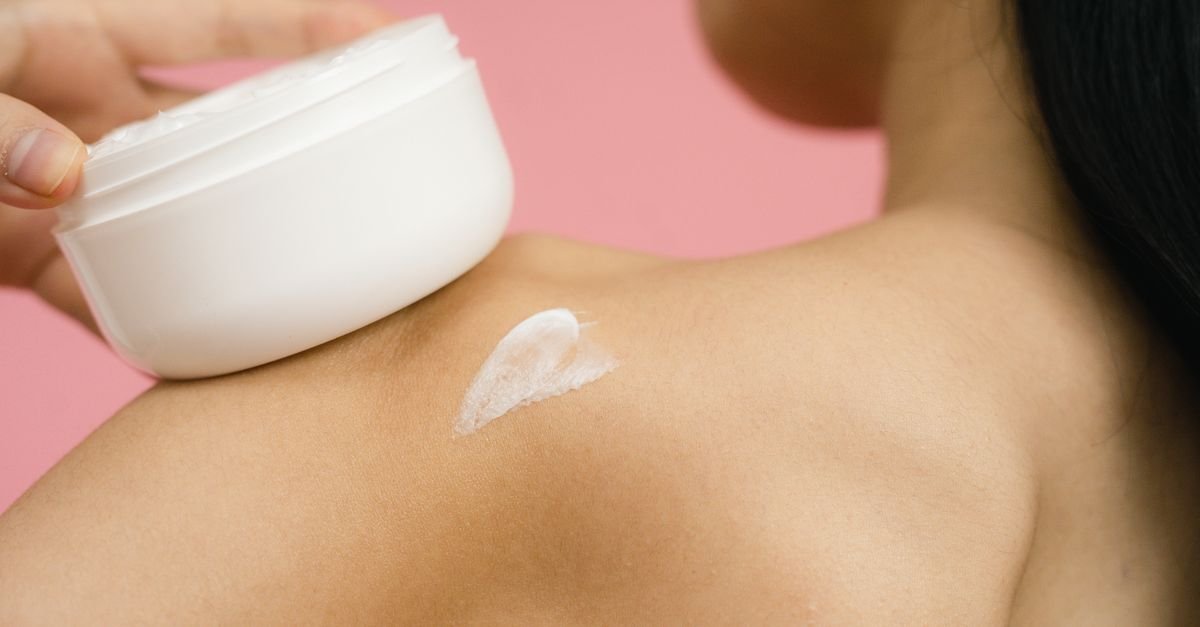
Coconut Oil, Dry Brushing, and the Natural-Remedy Aisle
The honest read on the folklore: coconut oil and rich butters moisturize — which helps the dryness side — but contain no keratolytic, so plugs stay plugged; fine as a supporting layer, not a treatment. Dry brushing is the scrubbing trap wearing a wellness ribbon: brisk bristles on KP inflame follicles and deepen redness. Apple cider vinegar is a weak, unbuffered acid with irritation potential and no dosing control — the lactic-acid lotion does the same idea properly. The pattern across all of skincare holds here: gentle chemistry with boring names beats vigorous folklore with good branding.
The honest shortlist if you’re shopping:
The honest KP shortlist:
Frequently Asked Questions
Can keratosis pilaris be cured permanently?
No — KP is genetic, and treatments manage it rather than cure it. The realistic win: smooth, calm skin maintained with a few applications of keratolytic lotion per week, plus the likelihood that KP naturally fades with age.
What gets rid of KP bumps fastest?
A daily 10%+ urea or lactic acid lotion applied to damp skin after a lukewarm shower. Expect smoother texture in three to four weeks; redness fades more slowly than roughness.
Is keratosis pilaris caused by poor hygiene?
Not at all. KP is an inherited tendency of follicles to over-produce keratin. No amount of washing prevents it, and over-washing with hot water actually worsens it by drying the skin.
Why is my KP worse in winter?
Dry air, central heating, and hot showers dehydrate skin, and KP tracks dryness closely. Winter management = thicker creams, twice-daily moisturizing, cooler showers, and ideally a humidifier.
Should I exfoliate keratosis pilaris with a scrub?
Gently at most. The keratin plugs sit inside follicles, below scrub depth, and aggressive friction inflames the skin and deepens redness. Chemical exfoliants (urea, lactic acid, salicylic acid) do the real de-plugging.
Does KP go away with age?
Often, yes. KP typically peaks in the teens and twenties and softens afterward for many people — one of the few skin conditions where time is genuinely on your side.
Can I treat KP on my face the same as my arms?
Use gentler versions: facial skin is thinner, so start with low-strength lactic acid or urea and strong moisturizing. Predominantly red facial KP deserves a dermatologist’s assessment before any acid experimentation.

 Adhorika Khan