 Adhorika Khan
Face clear, back at war? You’re in enormous company. Back acne — “bacne” — is the same disease as facial acne (oil, dead cells, bacteria, inflammation) playing out on skin that’s thicker, sweatier, harder to reach, and rubbed by fabric all day. The proven fix is a benzoyl peroxide or salicylic acid wash used correctly, a sweat-and-friction cleanup, and patience measured in weeks.
This guide covers the honest routine, the shower mistake almost everyone makes, why your “bacne” might actually be a yeast condition that laughs at acne products, and when the answer is a prescription rather than a better body wash.
Key Takeaways
- Bacne is real acne on tougher terrain — thicker skin, more oil glands, constant fabric friction.
- The proven duo: benzoyl peroxide wash (let it sit 2–5 minutes) and/or salicylic acid — most cases improve in 6–8 weeks.
- Shower order matters: conditioner rinse-off coats your back with pore-clogging film — wash the body after hair.
- Sweat sitting in a tight shirt is fertilizer — shower or change promptly after workouts.
- Uniform itchy bumps that ignore acne treatment are likely fungal (Malassezia) folliculitis — different problem, different fix.
What Causes Back Acne?
The back is prime acne real estate: it carries some of the body’s highest densities of sebaceous (oil) glands, its pores are larger, and its skin is significantly thicker than facial skin. Add the modern lifestyle package — backpacks, sports bras, snug gym wear, car seats, sweat sessions — and you have oil, dead skin cells, and C. acnes bacteria being massaged into follicles all day long.
Dermatologists even have a name for the friction-driven version: acne mechanica — breakouts mapped exactly where straps, waistbands, and backrests press. If your spots trace your backpack straps like a diagram, you’ve already diagnosed half the problem.
Why Do I Get Bacne When My Face Is Clear?
Different terrain, different triggers. Faces get cleansed twice daily and moisturized deliberately; backs get whatever soap slides down, a daily coating of conditioner runoff, and eight hours pressed against a chair. Genetics and hormones set your baseline everywhere, but the back’s mechanical environment — heat, occlusion, friction — can push it over the line alone. Hormonal shifts, certain medications, and family history stack the odds further.
Is It Actually Acne? The Fungal Impostor
Before you spend on treatments, rule out the great mimic. Malassezia (fungal) folliculitis — an overgrowth of normal skin yeast in the follicles — loves the same sweaty back and shoulders, but the clues differ: fungal bumps are uniform in size (acne varies), itchy (acne usually isn’t), flare dramatically with sweat and heat, and — the giveaway — get worse, not better, with antibiotics or standard acne care.
Sound familiar? Read our dedicated fungal acne guide — the fix (anti-fungal washes) is cheap, but only if you’re treating the right organism. Plenty of “treatment-resistant bacne” is simply misdiagnosed yeast.
The Proven Routine: What Actually Clears Bacne
Step 1: Benzoyl Peroxide Wash — the Heavy Hitter
A 5–10% benzoyl peroxide wash kills C. acnes on contact and is the closest thing bacne has to a gold standard. The technique everyone skips: lather it on, then let it sit for two to five minutes before rinsing — sing a chorus, wash your hair, then rinse. Contact time is the difference between a treatment and an expensive shower gel. Two warnings from experience: it bleaches fabric (white towels, old shirts, white sheets), and it can dry skin — start a few times weekly and build.
Step 2: Salicylic Acid — the Pore Housekeeper
Oil-soluble BHA gets inside follicles and dissolves the dead-cell plugs — the same chemistry from our AHA vs BHA guide, deployed on body scale via washes or leave-on body sprays (spray bottles solve the can’t-reach-mid-back problem elegantly). Use it on alternate days from benzoyl peroxide rather than stacked, unless your skin is leather.
Step 3: Adapalene for the Stubborn Cases
The over-the-counter retinoid that unclogs pores and prevents new formation — a thin layer on affected areas at night, moisturizer after, and the same start-slow rules as facial retinoids. Best for persistent comedonal bacne that survives the washes.
Step 4: Moisturize (Yes, Really)
Both actives dry skin, and stripped skin rebounds with more oil and less tolerance. A light, fragrance-free, non-comedogenic body lotion keeps the treatment sustainable — barrier logic explained in our barrier repair guide.
The Shower Mistake Coating Your Back in Clog
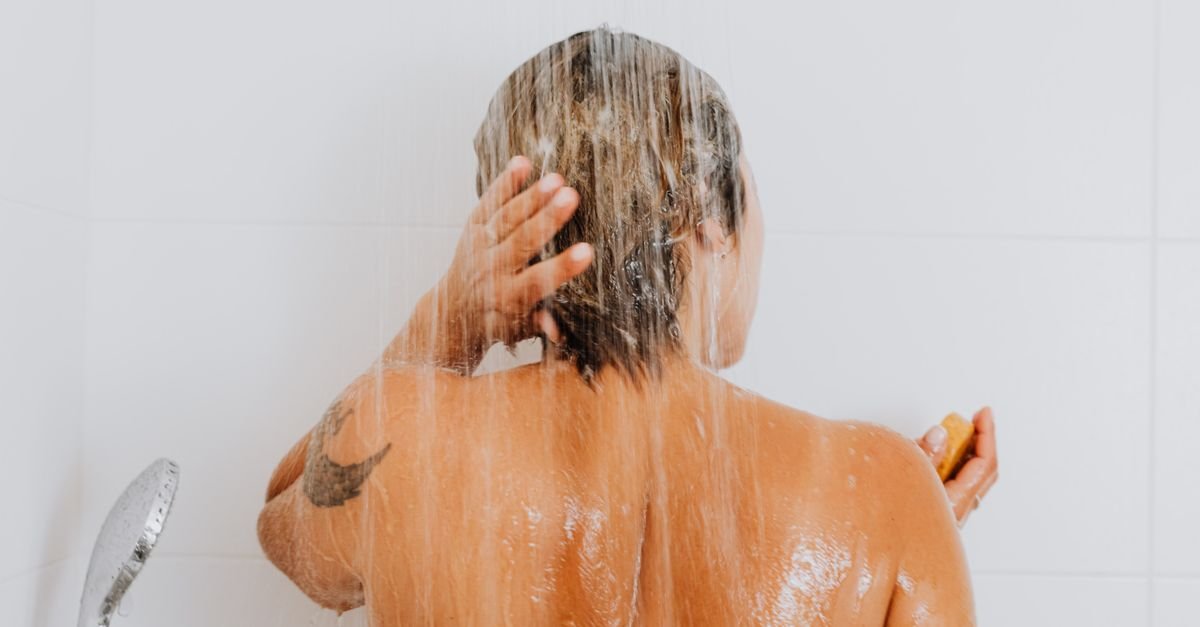
Here’s the quiet saboteur: you shampoo, you slather conditioner, and while it “sits,” its rich occlusive film rinses straight down your back — where it stays, because you already washed your body. Fix the order: hair first, completely rinsed, hair clipped up — body wash last. If your bacne concentrates across the upper back and shoulders where hair-product runoff lands, this single re-ordering (plus checking your conditioner’s heaviness — see our hair-washing guide) sometimes fixes what months of scrubbing couldn’t.
Sweat, Gym Gear, and the Two-Hour Rule
Sweat itself doesn’t cause acne — sweat trapped against skin under compression fabric does. The playbook: shower within a couple of hours of sweating (sooner is better); if a shower’s impossible, change into a dry shirt and wipe down with a cleansing wipe; wash workout gear after every wear (technical fabrics hoard oil and bacteria in a way cotton doesn’t); and loosen the rotation — alternating two sports bras or compression tops gives each a full wash cycle.
Backpack commuters: pad the straps, lighten the load, and give the bag a day off when flares map to the straps.

Laundry, Sheets, and the Fabric Audit
Your back spends a third of its life pressed against bedding. Rotate sheets weekly (pillowcases more often if you’re also fighting face acne), skip heavily fragranced detergents and fabric softener on shirts and sheets — softener literally deposits a waxy coating, which is the opposite of what a clogged follicle needs — and favor breathable cotton against the skin over synthetics when you can.
Can I Pop Back Pimples?
The same answer as the face, but louder: back acne runs deeper (thicker skin, bigger follicles), so squeezing drives inflammation down rather than out, and the back scars enthusiastically — it’s one of the body’s most keloid-prone zones. The marks last years; the satisfaction lasts seconds. Spot-treat, cover with a hydrocolloid patch if you must, and let the routine do the slow, unscarred work.
Marks and Scars on the Back: The Aftermath
Cleared bacne usually leaves a constellation of brown or red marks — post-inflammatory pigmentation, not scarring — and back marks fade slower than facial ones. The fading rules are identical to the face: time, gentle actives, and sun protection on exposed-back days (beach season re-darkens marks with impressive efficiency). Raised, growing scars — especially on shoulders and chest — are keloid candidates and worth an early dermatologist visit, since keloids are far easier to treat young.
What About Diet and Supplements?
The honest state of evidence: high-glycemic diets and, for some people, heavy dairy intake show associations with acne severity — worth a personal experiment if you’ve noticed a pattern, but no food change replaces topical treatment. Whey protein supplements have a modest but repeatedly reported link with truncal acne in gym-goers; if your bacne bloomed alongside a new protein tub, a two-month swap to a plant-based protein is a cheap test.
When Do You Need a Dermatologist?
Escalate without guilt when: eight weeks of the honest routine hasn’t moved things; breakouts are deep, painful cysts (these scar while you wait — prescription territory from the start); the pattern is itchy-uniform-sweat-triggered (fungal work-up); or scarring is already forming. Prescription options — topical retinoids at real strengths, short antibiotic courses, hormonal therapy, isotretinoin for severe cases — are standard, effective, and much better deployed before the scars arrive than after.
Hair Products, Hats, and the Overlooked Suspects
Beyond conditioner runoff, a few quiet contributors round out the audit. Leave-in hair products — oils, serums, heavy styling creams — migrate from long hair onto shoulders and upper back all day; wearing hair up during flares (and always at the gym) removes the delivery system. Hats, helmets, and headbands trap sweat against the hairline and neck — wash the liners, air the gear. Body sunscreen is non-negotiable in summer but choose non-comedogenic formulas and rinse them off properly at day’s end — yesterday’s SPF is today’s occlusion. And massage oils and rich body butters on acne-prone backs are exactly the occlusive load a clogged follicle didn’t need; keep the butters for arms and legs, and give the back the light, fragrance-free lotion instead. None of these cause bacne alone — but stacked on genetics and sweat, each one is a straw on the follicle’s back.
Your 8-Week Bacne Plan
Tonight: reorder the shower (hair first, body last); wash the workout gear pile. Week 1: benzoyl peroxide wash three evenings (with the sit time), moisturize after, old dark towel. Week 2+: build to daily or alternate with a salicylic spray for the unreachable middle back. Week 4: add adapalene at night on stubborn zones. Week 8: assess honestly — clearly better means hold course; unchanged means dermatologist, with the fungal question in your pocket.
Chest and Shoulder Acne: Same Playbook?
Mostly yes — chest, shoulders, and back are one oil-rich, friction-prone territory dermatologists group as truncal acne, and the benzoyl-peroxide-plus-salicylic routine covers all of it. The zone-specific notes: chest skin is somewhat thinner than back skin, so build actives more gradually there; shoulders take the worst strap friction (bras, bags, seatbelts on long drives), making them acne mechanica’s favorite address; and both zones are keloid-prone, which doubles the no-squeezing rule.
One chest-specific suspect worth naming: fragranced body sprays and perfumes applied directly to the chest can irritate follicles — spray clothing instead while clearing.
Summer Bacne vs Winter Bacne
The condition has seasons. Summer brings sweat, humidity, sunscreen layers, and swimwear occlusion — flares run oilier and more fungal-adjacent (heat plus sweat is Malassezia’s favorite weather). Counter with lighter non-comedogenic body sunscreen, prompt post-swim rinses, and the two-hour sweat rule enforced strictly.
Winter hides the back under layers and central heating: less sweat but more occlusion and drier skin that tolerates actives worse. Counter by moisturizing after every active wash and dropping benzoyl peroxide frequency before skin gets angry. Adjusting seasonally isn’t optional fine-tuning — it’s why routines that worked in March “mysteriously” fail in July.
The Can’t-Reach Problem, Solved
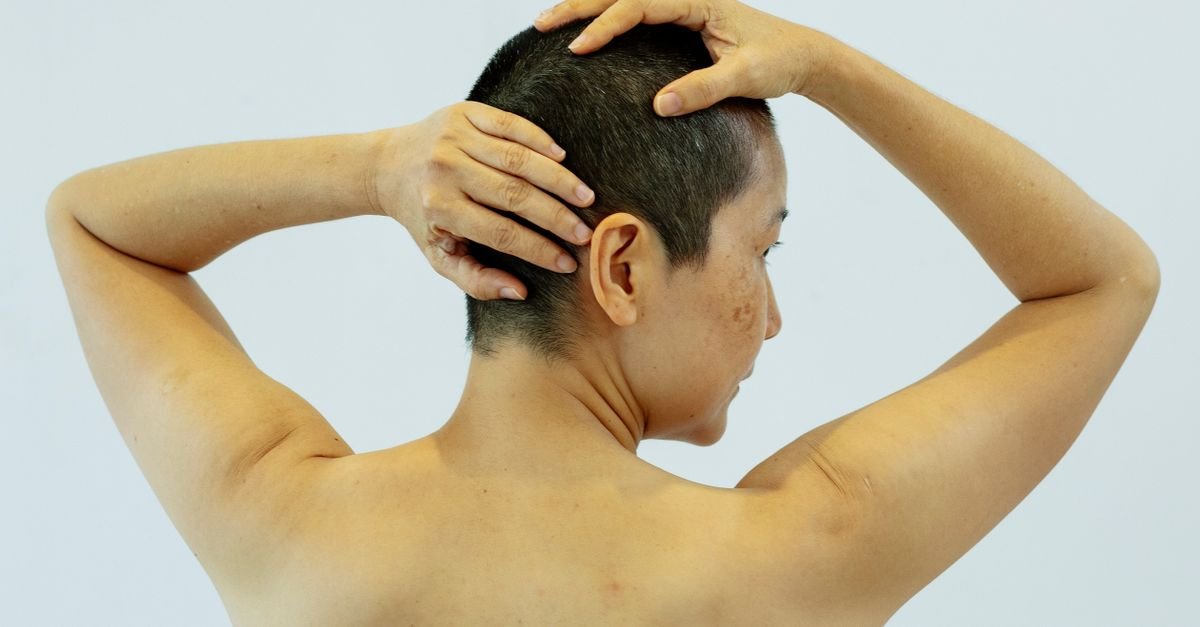
The mid-back is the honest reason many bacne routines fail — you cannot treat what you cannot touch. The toolkit: spray-bottle salicylic products designed to work upside down (spray, let dry, dress); a long-handled silicone back scrubber for applying wash gently (silicone over loofah — it stores cleaner and scrubs softer); the shower-wall lather trick — lather benzoyl peroxide on a clean silicone pad stuck to the wall and lean into it; and for leave-on lotion, the forearm-over-shoulder plus wrist-behind-back two-pass method covers more than you’d think. Enlisting a partner for the weekly adapalene application is also a completely legitimate medical intervention.
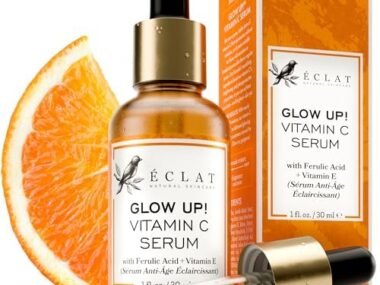
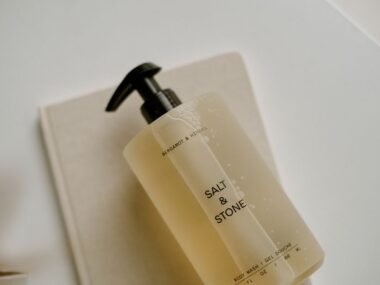
The short shopping list, honestly assembled:
The short shopping list:
Frequently Asked Questions
How do I get rid of back acne fast?
A benzoyl peroxide wash left to sit 2–5 minutes before rinsing, showering promptly after sweating, and washing your body after conditioner are the fastest-acting moves. Expect visible improvement in 4–8 weeks — genuinely overnight fixes don’t exist.
Why is my back acne itchy?
Itch on uniform small bumps that worsen with sweat points toward fungal (Malassezia) folliculitis rather than true acne — it needs anti-fungal treatment and actually worsens with standard antibiotics. Variable-sized, non-itchy spots are more likely classic acne.
Does conditioner cause back acne?
It’s a common contributor: rich conditioner runoff coats the upper back with occlusive film, clogging follicles. Wash your hair first, rinse thoroughly, clip hair up, and wash your body last.
Can sweating cause back acne?
Sweat trapped under tight fabric — not sweating itself — is the trigger. Shower or at least change into a dry shirt within a couple of hours of workouts, and wash technical fabrics after every wear.
Should I scrub my back acne away?
No — aggressive scrubbing inflames follicles and worsens both breakouts and the marks they leave. Chemical exfoliation (salicylic acid) reaches into pores; loofahs and gritty scrubs just injure the surface.
Will back acne scars go away?
Flat brown or red marks fade over months, faster with sun protection. Raised or pitted texture is true scarring and needs professional treatment — and shoulders are keloid-prone, so see a dermatologist early for raised scars that grow.
When should I see a doctor about bacne?
After eight weeks of consistent over-the-counter treatment without improvement, or immediately for deep painful cysts, spreading itchy bumps, or scarring. Prescription options work best before scars form, not after.

 Adhorika Khan