 Adhorika Khan
Ask five people how often you should wash your hair and you’ll get five confident, contradictory answers — daily devotees, twice-a-week strategists, and that one friend who quit shampoo entirely in 2023 and won’t stop talking about it.
Here’s the truth the arguments miss: there is no universal number. There’s only your number — and it’s determined by four factors you can read off your own head this week.
Quick answer: Most people do best washing hair two to three times per week — but the right frequency depends on your scalp’s oil production, your hair type, your activity level, and your styling habits. Oily scalps and fine, straight hair may need washing every 1–2 days; dry, thick, curly, or coily hair often thrives on once weekly or less. The real rule: wash for your scalp, condition for your lengths — and adjust when your scalp itches, flakes, or grease arrives faster than usual.
Key Takeaways
- There’s no universal frequency — scalp oiliness + hair type + lifestyle set your number.
- Baseline for most: 2–3 washes weekly; oily/fine hair runs more, dry/curly/coily runs less.
- Washing is for the scalp; conditioning is for the lengths — treat them as separate clients.
- Under-washing has real costs too: itch, flakes, buildup, and a yeast-friendly scalp — “training” hair to need less washing is largely myth.
- Sweat counts: heavy workouts move wash day — or at minimum earn a water rinse.
- Persistent flaking, itching, or shedding isn’t a frequency problem — it’s a dermatologist conversation.
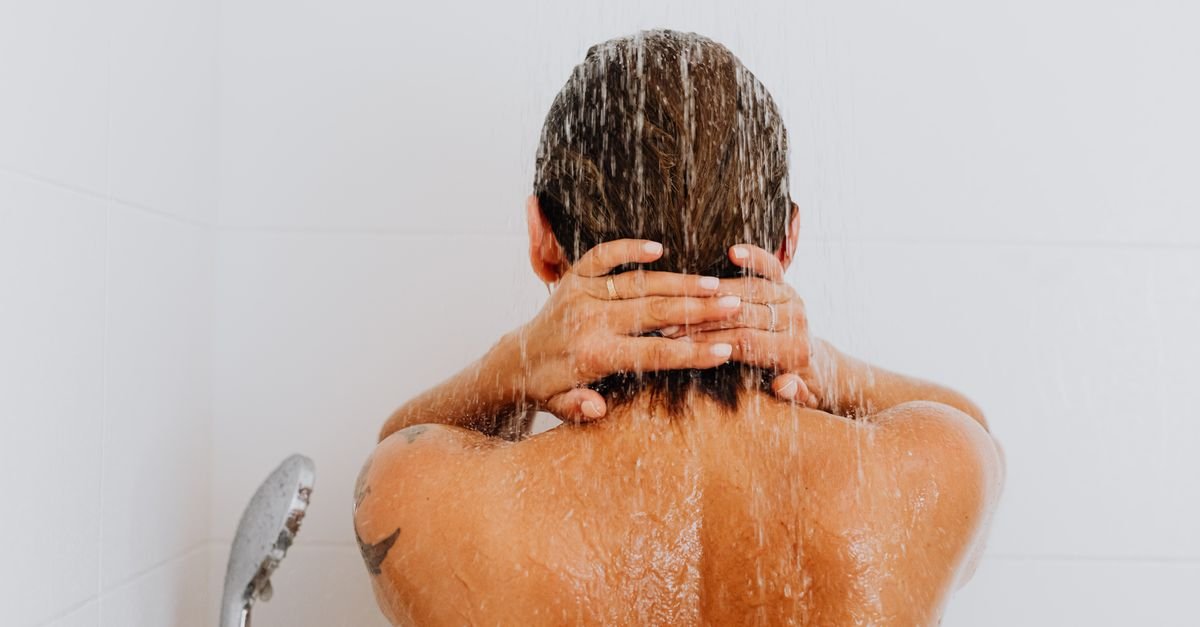
What Actually Determines Your Ideal Wash Frequency?
Four factors, in order of authority:
1. Your scalp’s oil production
Sebum is the whole story’s engine. Scalps vary enormously — genetics, hormones, and age all dial production up or down. The honest test: how does your scalp (not your ends) look and feel on day two? Flat and slick = high producer. Comfortable until day four = low producer. Your scalp already knows your number.
2. Your hair type
Oil travels down straight hair like a slide — fine, straight hair shows grease fastest and tolerates frequent washing. Waves, curls, and coils are winding roads: oil takes days to migrate, so the same scalp output leaves curly lengths dry while roots are just getting started. This is why curl routines revolve around less washing and more conditioning (our curly hair guide goes deep).
3. Your lifestyle
Daily sweaty workouts, humid climates, dusty commutes, swimming (chlorine!) all push frequency up. Desk life in a mild climate pulls it down.
4. Your styling load
Heavy products build up and need clearing; color-treated and heat-styled hair prefers fewer, gentler washes to protect its investment.
What’s the Right Frequency by Hair Type?
The cheat sheet — starting points, not laws:
Fine or straight hair: every 1–2 days is common and fine. Grease shows immediately on fine strands, and frequent gentle washing beats walking around uncomfortable.
Medium, wavy hair: the classic 2–3× weekly zone.
Thick or dry hair: 1–2× weekly — the extra days let scarce oils do their conditioning work.
Curly hair: once weekly is a popular rhythm, often with conditioner-heavy refreshes between.
Coily/highly textured hair: every 1–2 weeks, with rich conditioning and protective styling doing the daily maintenance.
Color-treated hair: as infrequently as your scalp tolerates — every wash fades a little of the investment; cool water and color-safe formulas stretch it.
Oily scalp regardless of type: follow the scalp — daily gentle washing is legitimate if day-one grease genuinely bothers you (myth-busting on this below).
Does Washing Too Often Damage Hair?
The honest, nuanced answer: harsh washing causes trouble more than frequent washing does.
Stripping formulas, scalding water, and rough towel-scrubbing dry the lengths and irritate the scalp at any frequency. A gentle, well-matched shampoo used daily is kinder than a harsh one used weekly.
That said, frequency has real costs for some hair: every wash is a wet-dry cycle (hair’s most fragile state is wet), a color-fade event, and usually a heat-styling trigger — so drier, curlier, and color-treated hair genuinely benefits from fewer, better washes.
The kit that makes any frequency gentler: lukewarm water, a sulfate-free or mild shampoo massaged into the scalp with fingertips (never nails), conditioner from mid-length to ends, and a microfiber towel blot instead of the terry-cloth tornado.
Wash-day upgrades — honest Amazon searches:
Does Washing Too LITTLE Cause Problems?
The under-discussed half — because the pendulum has swung so far toward “wash less” that some scalps are suffering for the trend:
Sebum buildup feeds the scalp’s residents. The yeast Malassezia — the same character behind dandruff and fungal acne — dines on scalp oils. Long gaps between washes on an oily scalp set a generous table: itching, flaking, and sometimes hairline breakouts follow.
Buildup blocks the party for everyone: product residue plus oil plus dead skin leaves hair dull, roots flat, and scalps congested.
“Scalp training” is mostly myth. The popular claim — wash less and your scalp learns to produce less oil — doesn’t hold up: sebum production is driven by hormones and genetics, not shampoo schedules (Dr. Dray ranks this among the top hair-care myths in the video above). What actually changes is your tolerance: you get used to day-three hair. That’s fine! But it’s adaptation, not retraining.
Signals you’re under-washing: persistent itch, visible flakes, sour-scalp smell, roots that never lift. Your scalp is a residence, not a museum — it needs regular cleaning.

How Should Workouts Change Your Wash Schedule?
Sweat is salt water plus sebum delivery — and it counts.
Heavy, drippy workouts ideally end in a wash or at least a water-only rinse — which removes salt and freshness concerns without a full shampoo cycle. That rinse is the most underrated tool in the sweaty-person’s arsenal.
Dry shampoo is the legitimate bridge for light-sweat days: it absorbs oil at the roots and buys a day. Two caveats: it cleans nothing (buildup still accrues, so it postpones rather than replaces washing), and it belongs on roots, not scalp-caked in layers.
For daily exercisers with fine hair, daily gentle washing is simply correct — pick a mild formula and ignore anyone shaming your frequency. For curly exercisers, the rinse-and-condition (“co-wash”) between true wash days keeps both the curls and the scalp civil.
Wash Day Technique: Are You Doing It Right?
Frequency gets the debate, but technique decides most outcomes:
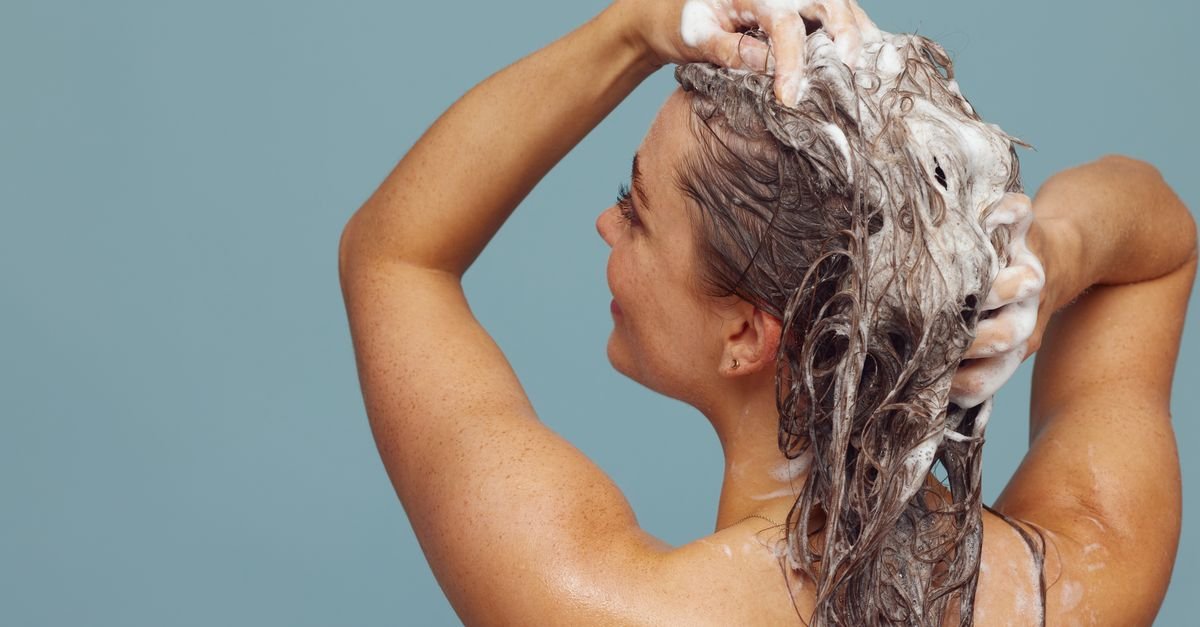
- Shampoo the scalp, not the lengths. Lather belongs at the roots where oil lives; the suds rinsing through are plenty for your ends. Scrubbing lengths = friction damage for no benefit.
- Two gentle minutes of fingertip massage beats thirty seconds of nail-raking — thorough and circulation-friendly without irritation.
- Rinse longer than feels necessary. Residual shampoo is a classic itchy-scalp impostor.
- Condition mid-length to ends, give it its full label time, and rinse cool-ish for shine.
- Blot, don’t wring: microfiber or an old cotton T-shirt; wet hair stretches and snaps under rough handling.
- Protect before heat, always — our heat protectant guide covers the one product that makes blow-dry days survivable.
Weekly bonus for most hair types: a deep-conditioning mask on wash day pays compound interest, especially at lower wash frequencies.
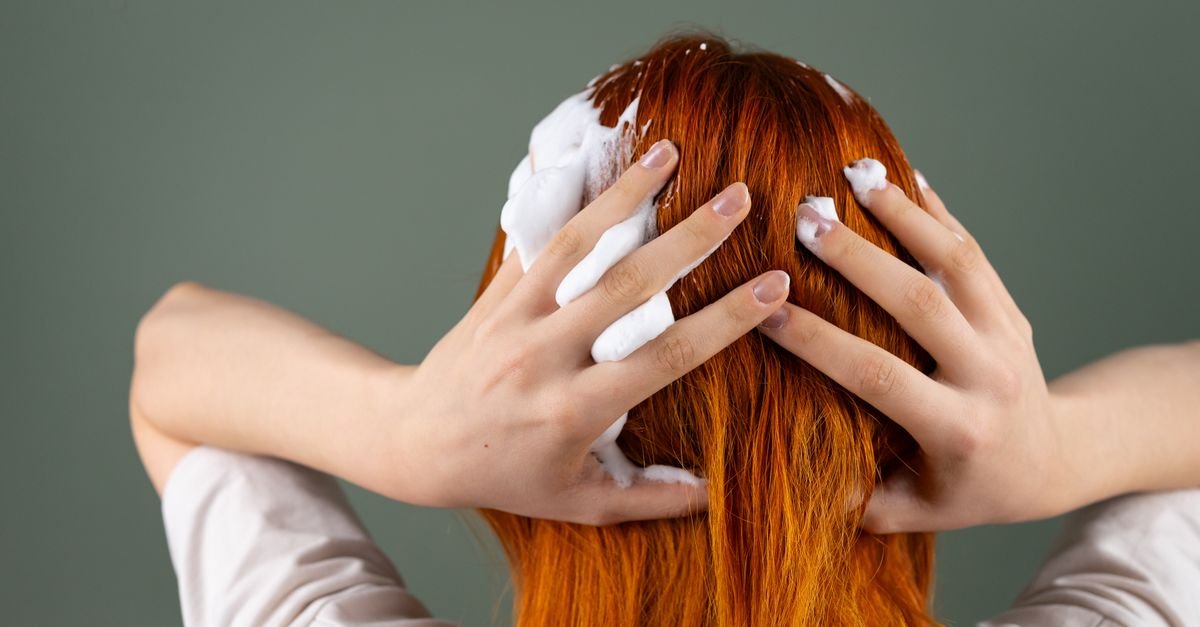
How Do You Change Your Wash Frequency Without a Grease Crisis?
Stretching from daily to every-other-day (or beyond) is doable — gradually:
Add one day at a time, holding each new rhythm for two weeks before stretching again. Cold-turkey jumps produce the miserable transition week that convinces people it’s impossible.
Bridge with tools: dry shampoo at the roots, a slicked-back or braided style on stretch days, and the water-rinse trick after workouts.
Judge by scalp, not calendar: the goal is a comfortable scalp and presentable roots — wherever that lands is your number, trend-independent.
And remember what changes: your tolerance and styling skill — not your sebum output. If day three never stops feeling like an oil slick, your number is two. Case closed, no shame; fine-haired high-producers exist in every family.
When Is It a Scalp Problem, Not a Schedule Problem?
Some signals outrank any frequency advice:
- Persistent flaking or itching that survives schedule changes — dandruff and seborrheic dermatitis respond to medicated shampoos (zinc pyrithione, ketoconazole), not more or fewer ordinary washes.
- Painful, inflamed, or bumpy scalp — folliculitis and friends need diagnosis, not detective work in the shampoo aisle.
- Sudden shedding or thinning — wash frequency doesn’t cause meaningful hair loss (the hairs in the drain were already released); a real change deserves a professional look for the actual cause.
- Scalp changes after new products — contact irritation is common; simplify and reintroduce one at a time.
The standing note: education here, diagnosis at the dermatologist’s — persistent scalp trouble is exactly what board-certified professionals are for, and scalp conditions are famously treatable once actually identified.
Does Hard Water Change the Equation?
More than most people suspect. Hard water — high in dissolved minerals — leaves deposits on hair with every wash: strands feel coated and dull, color fades faster, and shampoo lathers weakly, tempting you to use more.
Signs you’re in hard-water territory: white scale on the showerhead, stiff towels, and hair that feels filmy even freshly washed.
The fixes, in escalating order: a clarifying or chelating shampoo once or twice monthly to dissolve mineral buildup, a vinegar rinse (diluted, occasional) for shine, and for committed households a shower filter — the set-and-forget upgrade that softens every wash thereafter.
Hard water also nudges frequency logic: since each wash deposits minerals, quality-over-quantity washing (fewer, more thorough, with occasional clarifying) tends to beat daily washing in mineral-heavy homes.
Should You Wash Your Hair at Night or in the Morning?
Whichever fits your life — with two honest trade-offs worth knowing:
Night washing buys unhurried mornings and lets hair dry naturally — but sleeping on soaking-wet hair invites tangles, breakage against the pillow, and a damp scalp environment (the yeast’s favorite weather). If you wash at night, get hair to at least mostly-dry before bed, and a silk or satin pillowcase earns its keep.
Morning washing delivers fresh volume and style control — at the cost of heat styling on a schedule, so the protectant rule matters double.
The genuinely wrong answer is only one: going to bed with drenched hair night after night. Everything else is preference.
Frequently Asked Questions
How often should you wash your hair?
For most people, two to three times weekly — but the honest answer depends on your scalp’s oil production, hair type, and lifestyle. Fine or oily hair may need washing every 1–2 days; dry, curly, or coily hair often thrives on weekly or less. Follow your scalp’s comfort, not a universal rule.
Is washing your hair every day bad?
Not inherently — with a gentle shampoo, lukewarm water, and conditioner on the lengths, daily washing suits fine, oily, or very active hair. The damage in “overwashing” stories usually comes from harsh formulas, hot water, and daily heat styling rather than the washing itself.
Can you train your scalp to be less oily by washing less?
Mostly myth — sebum output is set by hormones and genetics, not shampoo schedules. What changes when you stretch wash days is your tolerance and styling skill. Stretch gradually if you want fewer washes, but a stubbornly oily scalp on day two is simply your number.
What happens if you don’t wash your hair enough?
Oil, product, and dead skin build up — inviting itch, flakes, flat roots, and a well-fed scalp yeast (the dandruff and fungal-acne culprit). Under-washing an oily scalp causes as much trouble as overwashing a dry one; the scalp needs regular, not constant, cleaning.
Should you wash your hair after every workout?
After heavy, drippy sessions — ideally yes, or at least a water-only rinse, which removes salt without a full shampoo. For lighter workouts, dry shampoo at the roots bridges a day. Daily exercisers with fine hair can simply wash daily with a gentle formula.
Does dry shampoo replace washing?
No — it absorbs oil and buys presentability, but cleans nothing; buildup continues underneath. Use it as a bridge between washes (on roots, in moderation), not as a substitute for actual cleansing.
How often should you wash curly or coily hair?
Far less than straight hair — typically weekly for curls and every one to two weeks for coils, since scalp oils barely reach the lengths. Conditioner-heavy refreshes or co-washing between true wash days keep curls hydrated and scalps comfortable.
The bottom line
Your wash schedule was never a morality test — it’s a matching exercise: read your scalp’s output, respect your hair’s shape, count your sweat, and wash gently at whatever rhythm keeps both scalp and strands happy. Two to three days works for most, your mileage is the only mileage that matters — and any scalp that stays itchy through every schedule deserves a dermatologist, not another internet argument.


 Adhorika Khan