 Adhorika Khan
You’ve slathered on the richest cream in your collection, and your skin still feels tight by noon. Or you have oily skin that somehow flakes. What is going on?
Here’s the plot twist most of us learn embarrassingly late: dry and dehydrated are not the same thing — and treating one like the other is why your routine isn’t working.
Quick answer: Dry skin is a skin type that lacks oil (lipids) — you’re usually born with it, and it needs richer creams. Dehydrated skin is a temporary condition that lacks water — any skin type can get it, even oily skin, and it needs humectants like hyaluronic acid plus a barrier seal. Oil versus water: that’s the whole difference.
Key Takeaways
- Dry = a skin type lacking oil. Genetic, long-term, affects the whole face and often the body.
- Dehydrated = a condition lacking water. Temporary, triggered by weather, over-cleansing, or lifestyle — and it can happen to oily skin.
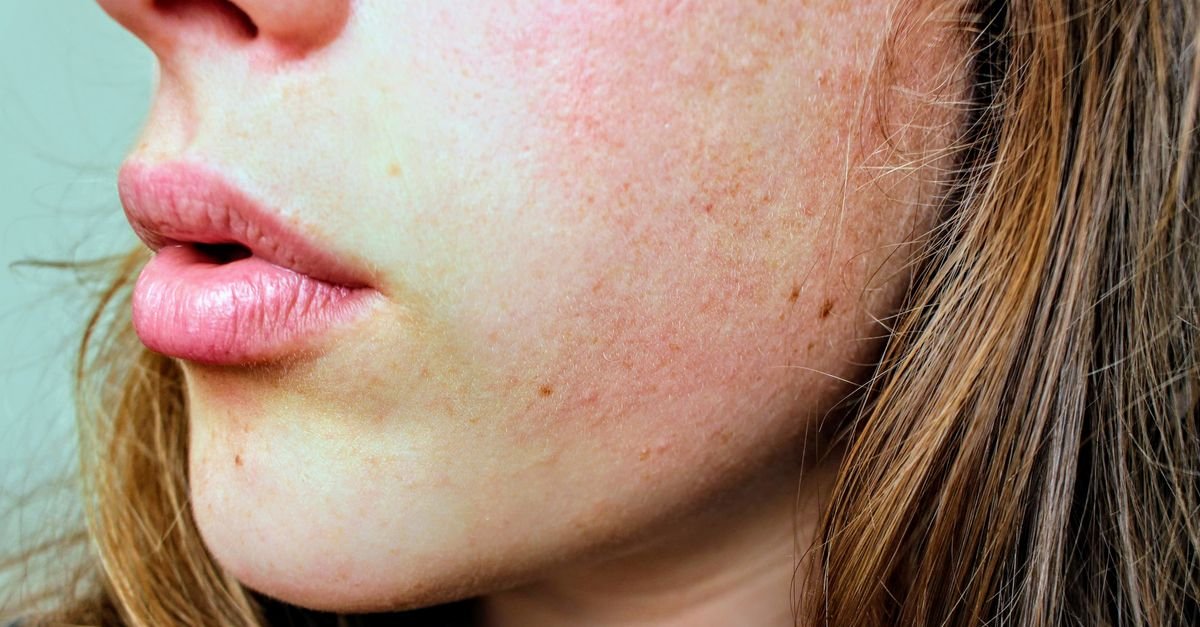
- Dry skin feels rough and flaky; dehydrated skin feels tight and looks dull, with fine crinkly lines.
- The pinch test gives a quick clue: skin that tents or crinkles when gently pinched suggests dehydration.
- Fix dry skin with richer creams and ceramides; fix dehydrated skin with hyaluronic acid on damp skin, sealed with moisturizer.
- You can absolutely be both at once — and winter makes everything worse.
Why Does Everyone Confuse Dry and Dehydrated Skin?
Because they feel like cousins: both can be tight, dull, and uncomfortable, and beauty marketing uses “hydrating” and “moisturizing” as if they were synonyms.
They’re not. In skincare-speak, hydration is about water content; moisture is about oil content. Different deficits, different products, different fixes.
Once that distinction clicks, years of confusing product results suddenly make sense — including why heavy creams never fixed your tightness, or why your oily T-zone still flakes.
What Exactly Is Dry Skin?
Dry skin is a skin type — like oily, combination, or normal. It means your skin naturally produces less sebum (oil) than average.
Sebum matters because it’s part of your skin’s mortar: the lipid layer that smooths the surface and slows water loss.
Because it’s genetic, dry skin is a long-term companion. It tends to show up all over — face, hands, shins — and often runs in families. It can also get drier with age, as oil production naturally declines over the years.
Telltale signs of true dry skin:
- Rough, flaky, or scaly patches
- A feeling of dryness that’s always there, not just some weeks
- Barely visible pores
- Makeup that clings to flakes
- Itchiness, and in harsh weather, cracking
What Exactly Is Dehydrated Skin?
Dehydrated skin is a condition — a temporary state where your skin’s water content has dropped. It’s something your skin is going through, not something it is.
And here’s the part that surprises people: because it’s about water rather than oil, any skin type can become dehydrated — including oily skin.
Oily-but-dehydrated skin is incredibly common: the skin lacks water, so it pumps out more oil trying to compensate, leaving you shiny and tight at the same time. Cruel, honestly.
Telltale signs of dehydration:
- Tightness, especially right after cleansing
- Dullness — skin that looks tired even when you’re not
- Fine, crinkly lines (especially under the eyes) that deepen when skin is parched
- Increased sensitivity and stinging when applying products
- Oiliness plus flaking — the classic combination clue
How Can You Tell Which One You Have? The Pinch Test
Try this quick at-home check: gently pinch a small area of skin on your cheek or the back of your hand for a few seconds, then release.
If the skin bounces back smoothly, hydration is decent. If it “tents,” crinkles finely, or takes a moment to settle, dehydration is likely part of your story.
Two more diagnostic questions:
Has this been true your whole life? Lifelong roughness and flakiness points to the dry skin type. A recent change — this winter, this stressful month — points to dehydration.
Does your skin produce oil? Visible shine by afternoon means you’re not a true dry type — tightness plus shine equals dehydrated oily skin.
The pinch test is a clue, not a diagnosis — skin that’s persistently uncomfortable, red, or cracked deserves a board-certified dermatologist’s eyes.
What Causes Dehydrated Skin?
Dehydration always has triggers — and most are fixable. The usual suspects:
Over-cleansing and harsh cleansers. Foaming cleansers that leave skin “squeaky clean” strip the very lipids that hold water in. Squeaky = stripped.
Hot showers. Gloriously comforting, quietly dehydrating. Hot water dissolves skin lipids faster than warm.
Weather and indoor climate. Cold wind outside, dry heated air inside — winter attacks from both directions. Air conditioning does it in summer.
Over-exfoliating. Daily acids or aggressive scrubbing thin the barrier that retains water. If your skin stings when you apply serum, this is a flashing light.
Lifestyle factors. Too little sleep, alcohol, smoking, and yes — simply not drinking enough water all show up on your face.
A damaged barrier. Every trigger above ultimately hits the same target: your skin barrier. When it’s compromised, water escapes constantly — a process called transepidermal water loss. Our full guide on repairing a damaged skin barrier goes deep on this.

How Do You Fix Dehydrated Skin?
The strategy is simple and satisfying: put water in, then seal it there.
Step 1: Stop the losses
Switch to a gentle, non-stripping cleanser (cream or gel, no squeak). Turn the shower from hot to warm. Pause the daily acids for a couple of weeks.
Step 2: Add water with humectants
Humectants are water magnets. The star is hyaluronic acid, which holds many times its weight in water; glycerin is the humble, brilliant classic found in almost everything good.
The critical technique: apply humectants to damp skin, not dry. A humectant on dry skin in dry air can pull water out of your skin instead of in. Mist or leave skin damp after cleansing, then apply.
New to the ingredient? Our complete hyaluronic acid guide covers how to choose and layer it properly.
Hydration heroes worth searching on Amazon:
Hyaluronic acid serums →Ceramide moisturizers →Gentle cleansers →
Step 3: Seal it in
Humectants grab water; a moisturizer on top keeps it. Look for a formula with ceramides and a touch of occlusive richness appropriate to your type — lighter lotion for oily-dehydrated skin, creamier for normal-to-dry.
For severely parched nights, the trending fix with old roots is slugging — a thin layer of petrolatum over your routine to lock everything down.
How Do You Care for Truly Dry Skin?
Dry skin plays a longer game: since your skin under-produces oil, your routine supplies the missing lipids daily.
Cream cleansers only. Milk, cream, or balm textures clean without stripping what little oil you have.
Moisturize on a schedule, not a feeling. Morning and night, every day — plus after every hand wash for body-level dryness. The best time is within a few minutes of washing, while skin is still damp.
Look for the lipid trio. Ceramides, cholesterol, and fatty acids — the actual components of your skin’s mortar. Ceramide creams are the gold standard for dry types.
Add richness in layers. A hydrating serum, then cream, then — in harsh weather — a few drops of a simple facial oil or a balm on top.
Humidifier in winter. Heated indoor air is a moisture thief; a bedroom humidifier pays for itself in comfort.
Ingredients like niacinamide also help your skin build its own barrier lipids over time — our niacinamide guide explains how.
Can You Be Both Dry AND Dehydrated?
Absolutely — and winter specializes in it. A dry skin type (low oil) can lose water on top of it (dehydration), leaving skin flaky, tight, dull, and unhappy all at once.
The fix combines both playbooks: gentle cleansing, humectant serum on damp skin, then a rich ceramide cream to supply lipids and seal water. In that order — water first, oil on top.
If you learn one layering rule from this article, make it that one: hydrate, then moisturize. Water, then seal. (Full routine sequencing lives in our skincare order guide.)
Does Drinking Water Fix Dehydrated Skin?
Partly — and only partly. This myth deserves a careful answer.
If you’re genuinely under-hydrated, drinking more water helps your whole body, skin included. Chronic under-drinking shows on your face.
But once you’re adequately hydrated, extra glasses don’t pump extra plumpness into your cheeks. Skin is the body’s last stop for water delivery — and it still loses moisture through a damaged barrier no matter how much you sip.
Translation: drink sensibly, yes — but fix dehydrated skin at the skin, with humectants, sealing moisturizers, and gentler habits.
What Should an AM/PM Routine Look Like?
For dehydrated skin (any type)
AM: rinse or gentle cleanse → hydrating serum on damp skin → moisturizer matched to your type → sunscreen (non-negotiable — UV damage worsens water loss; see our SPF guide).
PM: gentle cleanse → hydrating serum on damp skin → slightly richer night moisturizer. Acids and retinoids come back slowly once skin feels calm — a few nights a week, buffered with moisturizer.
For dry skin
AM: cream cleanse (or just water) → hydrating serum → ceramide cream → sunscreen.
PM: balm or cream cleanse → hydrating serum → rich ceramide cream → optional oil or balm seal in cold months.
Both routines share DNA on purpose: gentle in, water first, seal last.

Which Ingredients Should Each Concern Avoid?
If you’re dehydrated, minimize: high-foaming sulfate cleansers, daily strong acids, alcohol-heavy toners, and fragrance-loaded products on stinging skin.
If you’re dry, be cautious with: clay masks that bake, gel moisturizers as your only moisture, and long hot showers (we know — it hurts to give up).
Everyone recovering either condition: go slow reintroducing actives. One at a time, low frequency, and stop if stinging returns — stinging is your barrier waving a white flag.
None of this means actives are enemies — exfoliation and retinoids remain skincare royalty. It’s about sequencing: repair the moisture situation first, then rebuild the ambitious routine on solid ground.
When Should You See a Dermatologist?
Home care solves most dryness and dehydration — but book a professional visit if:
- Dryness is severe, cracking, or bleeding
- You have red, itchy, inflamed patches (possible eczema or dermatitis, which mimic dryness but need different treatment)
- Tightness and flaking persist after 4–6 weeks of gentle, consistent care
- Dryness arrived suddenly with no obvious trigger — occasionally a sign of underlying health changes worth checking
A board-certified dermatologist can tell dry from dehydrated from eczema in minutes — and prescription barriers repair options exist for the stubborn cases. When in doubt, get real eyes on real skin.
Frequently Asked Questions
What is the difference between dry and dehydrated skin?
Dry skin is a permanent skin type that lacks oil; dehydrated skin is a temporary condition that lacks water. Dry skin needs richer, lipid-replacing creams; dehydrated skin needs humectants like hyaluronic acid sealed in with moisturizer — and even oily skin can be dehydrated.
Can oily skin be dehydrated?
Yes — it’s one of the most common skin situations. Water-starved skin often produces extra oil to compensate, leaving you shiny and tight at once. The fix is hydrating serum on damp skin under a light moisturizer, not more oil-stripping products.
How do I know if my skin is dehydrated?
Look for tightness after cleansing, dullness, fine crinkly lines, product stinging, and the pinch test: gently pinch your cheek — skin that tents or crinkles rather than bouncing back suggests low water content.
Does drinking water help dehydrated skin?
Only up to normal hydration — beyond that, extra glasses won’t plump your face. Dehydrated skin is mainly fixed at the surface: gentler cleansing, humectants applied to damp skin, and a moisturizer to seal water in.
What ingredients fix dehydrated skin fastest?
Hyaluronic acid and glycerin to attract water (applied on damp skin), followed by a ceramide moisturizer to lock it in. Pausing harsh cleansers, hot water, and daily acids speeds recovery dramatically.
Is dry skin permanent?
The tendency is — it’s your skin type, and oil production also declines naturally with age. But well-managed dry skin with daily ceramide-rich moisture can feel comfortable and look great long-term. Management, not cure, is the goal.
Can you be both dry and dehydrated at the same time?
Yes — low oil and low water together, common in winter. Layer both fixes: hydrating serum on damp skin first for water, rich ceramide cream on top for lipids and sealing.
The bottom line
Oil versus water — that one distinction untangles years of skincare frustration. Diagnose honestly (lifelong roughness or recent tightness?), then treat the actual deficit: lipids for dry, water-plus-seal for dehydrated, both for the unlucky winter combo. Your skin has been trying to tell you which one it is all along — now you speak the language.

 Adhorika Khan