 Adhorika Khan
To repair a damaged skin barrier, you need to strip your routine back to basics – a gentle cleanser, a barrier-supporting moisturizer with ceramides, and sunscreen – while pausing all strong actives until skin calms. Less is more when your barrier is compromised. Here’s the full recovery plan.
Key Takeaways
- What it is: your skin’s protective outer layer that locks in moisture.
- The fix: simplify your routine and stop over-treating your skin.
- Hero ingredients: ceramides, niacinamide, hyaluronic acid and squalane.
- Pause: retinoids, exfoliating acids and harsh scrubs while healing.
- Be patient: most barriers recover in about two to four weeks.
What is your skin barrier?
Your skin barrier is the outermost layer of your skin, and it does a huge job.
Think of it like a brick wall – skin cells are the bricks, and lipids like ceramides are the mortar holding them together.
This wall keeps moisture in and irritants, bacteria and pollution out. When it’s healthy, skin looks calm and hydrated; when it’s damaged, everything goes wrong at once.

What are the signs of a damaged skin barrier?
A compromised barrier has some tell-tale symptoms.
- Tightness and dryness that doesn’t ease with moisturizer.
- Redness, stinging or burning, especially when applying products.
- Flaking or rough, uneven texture.
- Increased sensitivity to products you used to tolerate.
- Unexpected breakouts or dull, dehydrated-looking skin.
If products suddenly sting and your skin feels raw, your barrier likely needs help.
What causes a damaged skin barrier?
Most barrier damage is self-inflicted, usually with good intentions.
Over-exfoliating, using too many strong actives at once, and harsh or stripping cleansers are the biggest culprits. Hot water, rough scrubbing and skipping moisturizer add to it.
Environmental stress – cold wind, dry air and sun exposure – can push an already-stressed barrier over the edge.
How do you repair a damaged skin barrier?
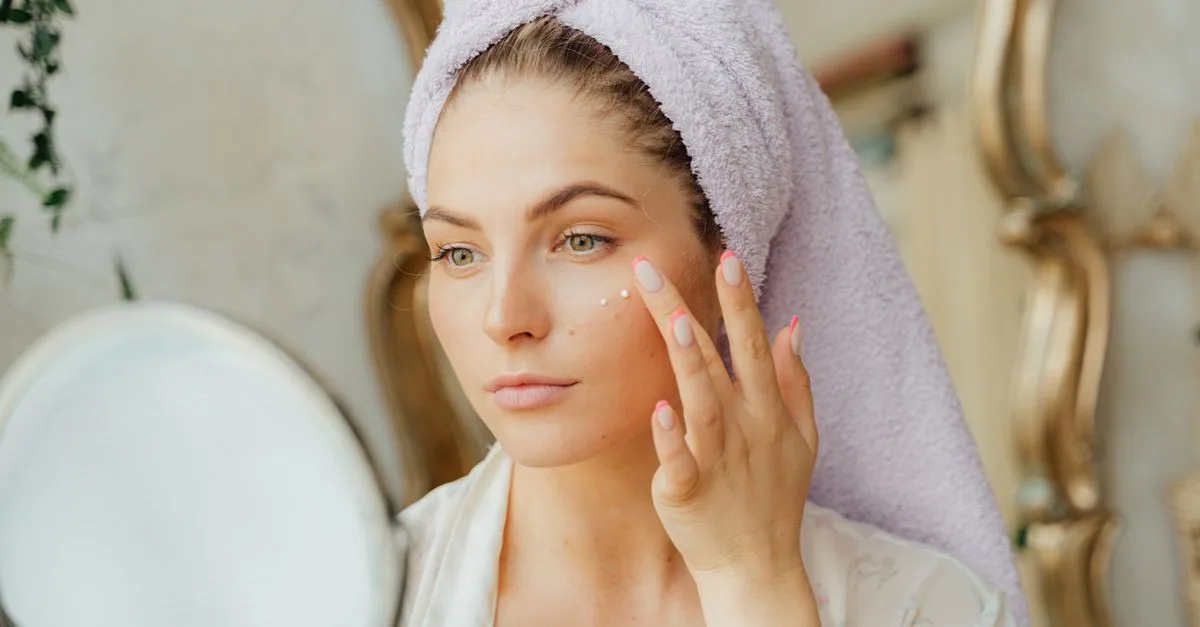
The core principle is simple: do less, and be gentle.
- Simplify to a bare-bones routine – cleanser, moisturizer, sunscreen.
- Cleanse gently with a mild, non-stripping, fragrance-free cleanser and lukewarm water.
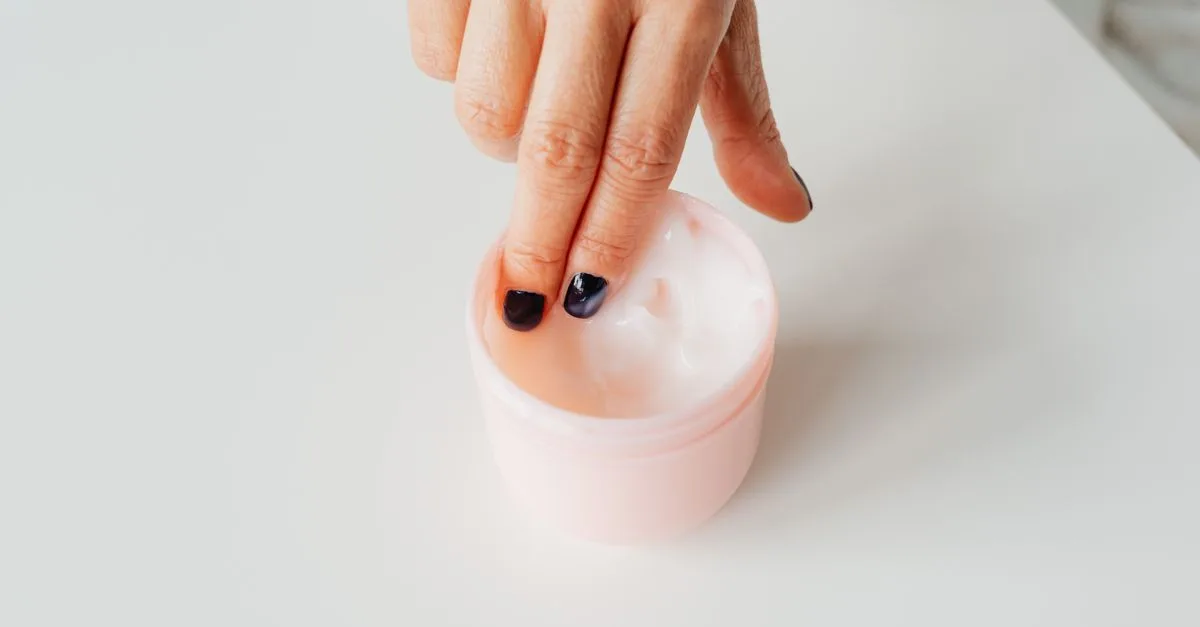
- Moisturize generously with a barrier cream rich in ceramides.
- Protect with a gentle sunscreen every morning.
Then give it time. For where each step fits, see our skincare order guide.
Which ingredients repair the skin barrier?
A few well-chosen ingredients rebuild the wall and calm the skin.
- Ceramides are the mortar – they refill what the barrier has lost.
- Niacinamide supports ceramide production and calms redness.
- Hyaluronic acid restores hydration and comfort.
- Squalane and fatty acids soften and reinforce the barrier.
- Panthenol and centella soothe irritation.
A good ceramide cream does most of the work – see our best skin barrier repair creams, or browse ceramide moisturizers on Amazon.
What should you stop using while your barrier heals?
Knowing what to pause is just as important as what to add.
Temporarily stop retinoids, exfoliating acids (AHAs and BHAs), vitamin C if it stings, physical scrubs and any fragranced or alcohol-heavy products.
Once your skin feels calm and comfortable again, reintroduce actives slowly – one at a time, a few days apart.
How long does it take to repair a skin barrier?
Healing takes patience, but it’s usually faster than people expect.
Mild damage often calms within a few days to a week of gentle care. A more compromised barrier typically needs around two to four weeks to fully recover.
The key is consistency and restraint – resist adding actives back too soon, which restarts the damage.
Can slugging help repair your skin barrier?
Yes – slugging can be a helpful tool during barrier recovery.
Sealing your routine with an occlusive overnight locks in moisture and shields fragile skin while it rebuilds. It’s especially useful for very dry, flaky barrier damage.
Learn the technique in our guide to skin slugging, and skip it if your skin is very oily or breaking out.

How do you keep your skin barrier healthy long-term?
Once healed, a few habits keep your barrier strong.
Don’t over-exfoliate – once or twice a week is plenty for most people. Moisturize daily, use lukewarm rather than hot water, and always wear sunscreen.
Introduce new actives one at a time so you never overwhelm your skin again. A calm, consistent routine is a happy barrier.
Skin barrier care for different skin types
Every skin type has a barrier, and each needs slightly different care.
Dry skin benefits from richer ceramide creams, while oily and acne-prone skin should choose lightweight, non-comedogenic barrier products so it doesn’t feel heavy.
Sensitive skin does best with the simplest, fragrance-free routine possible – fewer ingredients, fewer triggers.
When should you see a dermatologist?
Most barrier damage heals with gentle home care, but not all.
If your skin doesn’t improve after a few weeks of simplifying, or you have persistent burning, cracking, oozing or severe redness, see a professional.
These can signal a condition like eczema or dermatitis that needs treatment. This is general information, not medical advice.
Common skin barrier mistakes to avoid
- Over-exfoliating. The most common cause of barrier damage by far.
- Adding more products. Healing means doing less, not more.
- Reintroducing actives too soon. Wait until skin is fully calm.
- Using hot water and harsh cleansers. Both strip the barrier further.
- Skipping sunscreen. Fragile skin needs protection most of all.
Can over-exfoliating damage your skin barrier?
Over-exfoliating is the single most common cause of a damaged barrier.
Using scrubs, acids or exfoliating tools too often strips away the lipids that hold your barrier together, leaving skin tight, red and sensitive. Many people damage their barrier while chasing “glow.”
For most skin, exfoliating once or twice a week is plenty – if your skin stings or looks irritated, stop and let it recover.
Does weather affect your skin barrier?
Your environment puts real stress on your barrier.
Cold wind, dry winter air and indoor heating pull moisture from the skin, while intense sun and heat can inflame and weaken it. Air conditioning is drying too.
Adjust with the seasons – richer moisturizers and gentler routines in winter, and always daily sunscreen – to keep your barrier resilient year-round.
Can a damaged skin barrier cause breakouts?
Yes – a compromised barrier and breakouts often go together.
When the barrier is damaged, skin becomes inflamed and more vulnerable, which can lead to irritation, congestion and acne-like bumps. People often add more strong products in response, making things worse.
Repairing the barrier first, with gentle and soothing care, frequently calms these breakouts on its own.
Skin barrier, moisture barrier and acid mantle: what is the difference?
These terms overlap, which causes a lot of confusion.
The “skin barrier” and “moisture barrier” usually refer to the same thing – the outer layer of skin cells and lipids that keeps moisture in and irritants out. The “acid mantle” is the skin surface’s slightly acidic film that supports that barrier and your skin’s healthy bacteria.
In everyday skincare, caring for one means caring for all three: be gentle, avoid harsh or high-pH products, and moisturize.
How do you know your skin barrier has healed?
Your skin will give you clear signals as it recovers.
A healed barrier feels comfortable rather than tight, looks calmer with less redness, and stops stinging when you apply products. Hydration holds better and flaking settles down.
Once you reach that point, reintroduce active ingredients slowly – one at a time, a few days apart – so you do not undo your progress.
Is a damaged skin barrier permanent?
Here is the reassuring part: barrier damage is almost always temporary.
Your skin is designed to renew and repair itself, so with gentle, consistent care most barriers bounce back within a few weeks. Even skin that feels raw and reactive can recover fully once you stop over-treating it.
The key is patience and restraint – simplify, soothe, protect, and resist the urge to pile on products. Lasting problems usually come from repeatedly re-damaging the barrier, not from one episode, so gentle long-term habits are what keep it strong.
What kind of cleanser should you use on a damaged barrier?
Your cleanser matters enormously when your barrier is compromised.
Switch to a mild, hydrating, fragrance-free cleanser – creamy or lotion textures are gentlest. Use lukewarm water and avoid anything foamy or stripping.
Cleanse once at night and just rinse with water in the morning if your skin feels fragile. Harsh cleansing restarts the damage.
Should you exfoliate at all while your barrier heals?
The short answer is no – press pause on exfoliation.
Both physical scrubs and chemical exfoliants (AHAs and BHAs) strip a barrier that is already struggling. Continuing to exfoliate is a common reason skin does not recover.
Once your barrier is calm and comfortable again, reintroduce gentle exfoliation slowly – about once a week to start.
Can you wear makeup on a damaged skin barrier?
You can, but lighter is better while you heal.
Heavy, long-wear makeup and aggressive removal add stress to fragile skin. Choose gentle, hydrating formulas and remove them with a mild cleanser or cleansing balm.
Giving your skin some makeup-free days during recovery can speed things up.
Do diet, sleep and stress affect your skin barrier?
Your barrier is influenced by more than just what you put on it.
Poor sleep, high stress and a very unbalanced diet can all slow healing and leave skin more reactive. Hydration and overall health support recovery.
Topical care does the heavy lifting, but supporting your body helps your skin bounce back faster.
How do you reintroduce active ingredients after healing?
Going slow here protects all your hard work.
Once your skin feels calm, add back one active at a time – starting with the gentlest – and wait several days before introducing the next. Use lower frequencies at first.
If anything stings or brings back redness, pause it. A patient reintroduction prevents you from damaging the barrier all over again.
How do you care for a damaged barrier if you have acne-prone skin?
Acne-prone skin can absolutely have a damaged barrier – often from over-treating it.
Simplify to a gentle cleanser, a lightweight non-comedogenic moisturizer and sunscreen, and pause strong acne actives briefly while skin calms.
Soothing ingredients like niacinamide support both the barrier and breakout-prone skin, making them a smart bridge back to your routine.
How often should you moisturize while your barrier heals?
During recovery, moisturizing generously is one of your most important steps.
Apply a barrier cream at least morning and night, and reapply any time your skin feels tight or dry. Locking in moisture gives the barrier the conditions it needs to rebuild.
Applying moisturizer to slightly damp skin helps it work even better.
Do humidifiers and hydration help your skin barrier?
Your environment and habits genuinely support barrier repair.
A humidifier adds moisture to dry indoor air, which reduces water loss from your skin – especially helpful in winter or with air conditioning. Drinking enough water supports overall skin health too.
These are helpers, not replacements for gentle topical care, but together they speed up recovery.
Frequently Asked Questions
How do you repair a damaged skin barrier?
Simplify your routine to a gentle cleanser, a ceramide-rich moisturizer and sunscreen, and pause all strong actives like retinoids and exfoliating acids. Focus on soothing, barrier-supporting ingredients such as ceramides, niacinamide and hyaluronic acid. Then give your skin two to four weeks of consistent, gentle care to recover.
What are the signs of a damaged skin barrier?
Common signs include tightness, persistent dryness, redness, stinging or burning when you apply products, flaking, rough texture, new sensitivity and unexpected breakouts. If products that never bothered you suddenly sting, your barrier is likely compromised.
How long does it take for a skin barrier to heal?
Mild damage can calm within a few days to a week, while more significant damage usually takes about two to four weeks of gentle care. Recovery depends on being consistent and not reintroducing harsh actives too quickly.
What ingredients help repair the skin barrier?
Ceramides are the most important, as they replace the lipids that hold your barrier together. Niacinamide, hyaluronic acid, squalane, fatty acids, panthenol and centella also help by hydrating, soothing and reinforcing the skin.
Can niacinamide repair the skin barrier?
Niacinamide supports barrier repair by encouraging your skin to produce more ceramides and by calming redness and irritation. It’s a gentle, well-tolerated active that pairs well with ceramides and hyaluronic acid during recovery.
Should I stop using retinol if my skin barrier is damaged?
Yes, pause retinol and other strong actives while your barrier heals, since they can worsen irritation on already-compromised skin. Reintroduce them slowly – one active at a time, a few days apart – once your skin feels calm and comfortable again.
Does drinking water repair your skin barrier?
Staying hydrated supports overall skin health, but drinking water alone won’t rebuild a damaged barrier. Barrier repair depends on topical care – gentle cleansing, ceramides and moisturizers – plus giving your skin time to recover.
The bottom line
A damaged skin barrier is your skin asking you to slow down – and the fix is restraint, not more products.
Simplify your routine, lean on ceramides, niacinamide and hyaluronic acid, pause the actives, protect with sunscreen, and give it a few weeks.
To rebuild the right way, see our niacinamide guide and hyaluronic acid guide.

 Adhorika Khan