 Adhorika Khan
The most reliable way to get rid of blackheads is consistent use of pore-clearing ingredients – salicylic acid, retinoids and niacinamide – not squeezing, scrubbing or one-off treatments. Blackheads form when pores clog with oil and dead skin, so the goal is to keep pores clear. Here’s exactly how.
Key Takeaways
- What they are: clogged pores that oxidize and turn dark at the surface.
- What works: salicylic acid (BHA), retinoids and niacinamide, used consistently.
- What doesn’t: squeezing, harsh scrubbing and drying the skin out.
- Not all “blackheads” are blackheads – many are harmless sebaceous filaments.
- Prevention is everything: keeping pores clear stops them coming back.
What are blackheads, exactly?
Blackheads are a mild, extremely common form of acne.
They form when a pore gets clogged with excess oil and dead skin cells. Because the pore stays open at the surface, the trapped material is exposed to air.
That exposure makes it oxidize and turn dark – which is why blackheads look black, not because of dirt.
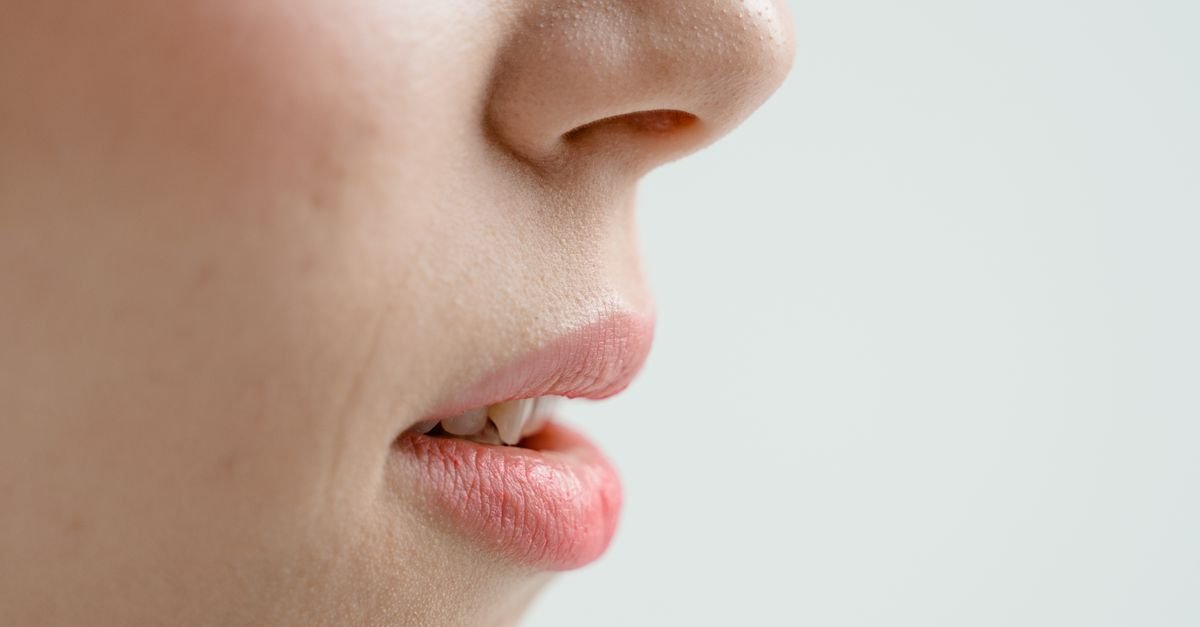
Are your blackheads actually sebaceous filaments?
This is one of the most useful things to understand about your nose.
Sebaceous filaments are tiny, gray-ish dots that line the pores, especially around the nose. They’re a normal part of your skin’s oil system, not a flaw.
True blackheads are darker and more raised, and they clear with treatment. Filaments always come back because they’re supposed to be there – so don’t wage war on them.
What causes blackheads?
Blackheads come down to pores getting clogged, and a few things drive that.
Excess oil production is a big factor, which is why oily skin is more prone to them. Dead skin cells that don’t shed properly add to the blockage.
Hormones, heavy or pore-clogging products, and simply not cleansing enough can all make blackheads worse.
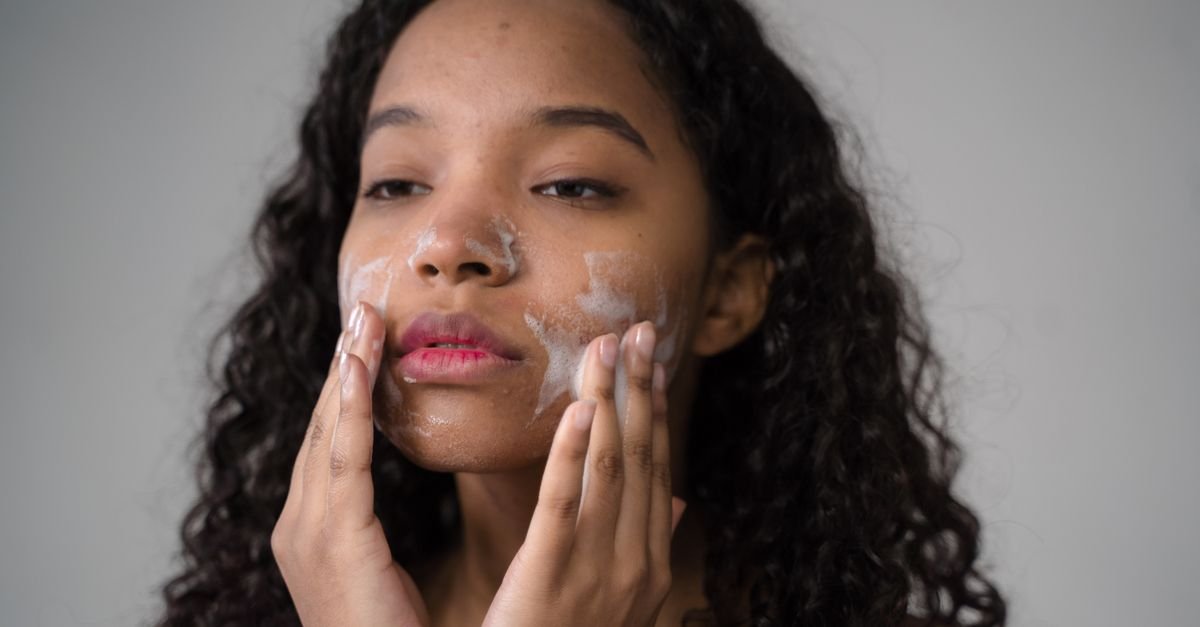
How do you get rid of blackheads? The ingredients that work
Clearing blackheads is about chemistry, not force.
- Salicylic acid (BHA) is the star – it’s oil-soluble, so it gets inside pores and dissolves the clog.
- Retinoids speed up cell turnover so pores don’t clog in the first place.
- Niacinamide regulates oil and calms the skin.
- Clay masks absorb excess oil and give occasional deep cleaning.
A gentle salicylic acid cleanser or leave-on treatment is the best starting point. Browse salicylic acid cleansers on Amazon to find one.
How do you build a blackhead-fighting routine?
A simple, consistent routine beats aggressive one-offs every time.
Cleanse twice a day (with a salicylic acid cleanser once daily), use a leave-on BHA or a retinoid a few nights a week, add niacinamide for oil control, and never skip a light moisturizer and daily sunscreen.
For step-by-step plans, see our routines for oily skin with blackheads and acne-prone skin with blackheads.
Should you use pore strips or squeeze blackheads?
It’s tempting, but this is where people do the most damage.
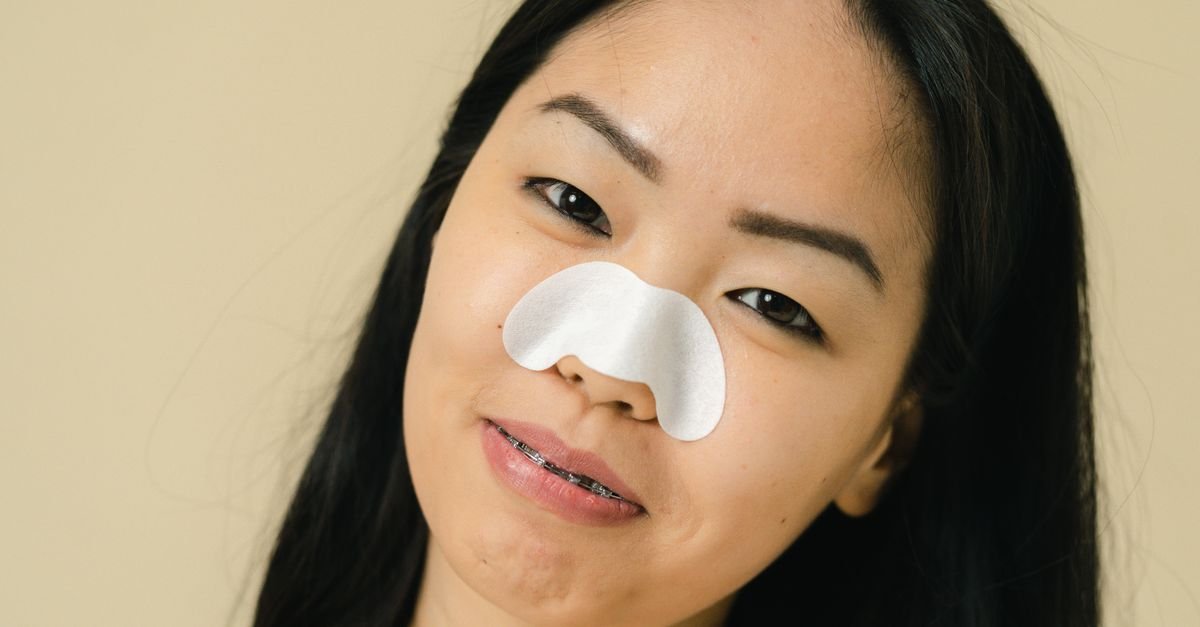
Squeezing can push material deeper, cause inflammation, and lead to scarring or dark marks. Pore strips only remove the very top of a clog and don’t stop it returning.
If you want extractions, a trained professional can do them safely. At home, let ingredients do the work instead.
Do pore vacuums work on blackheads?
Pore vacuums are popular, but manage your expectations.
They can suction out some loosened debris, especially after a warm shower, but they don’t treat the cause. Used too aggressively, they can bruise or break delicate skin.
Treat them as an occasional extra, never a replacement for a proper pore-clearing routine.
How do you stop blackheads coming back?
Prevention is the real secret, because blackheads are recurring by nature.
Keep using your pore-clearing actives consistently, even once your skin looks clear. Choose non-comedogenic (non-pore-clogging) products and remove makeup and sunscreen thoroughly each night.
Consistency is what keeps pores clear for good – stopping treatment usually means they return.
Do home remedies for blackheads work?
Some gentle home habits help; a few popular ones can harm your skin.
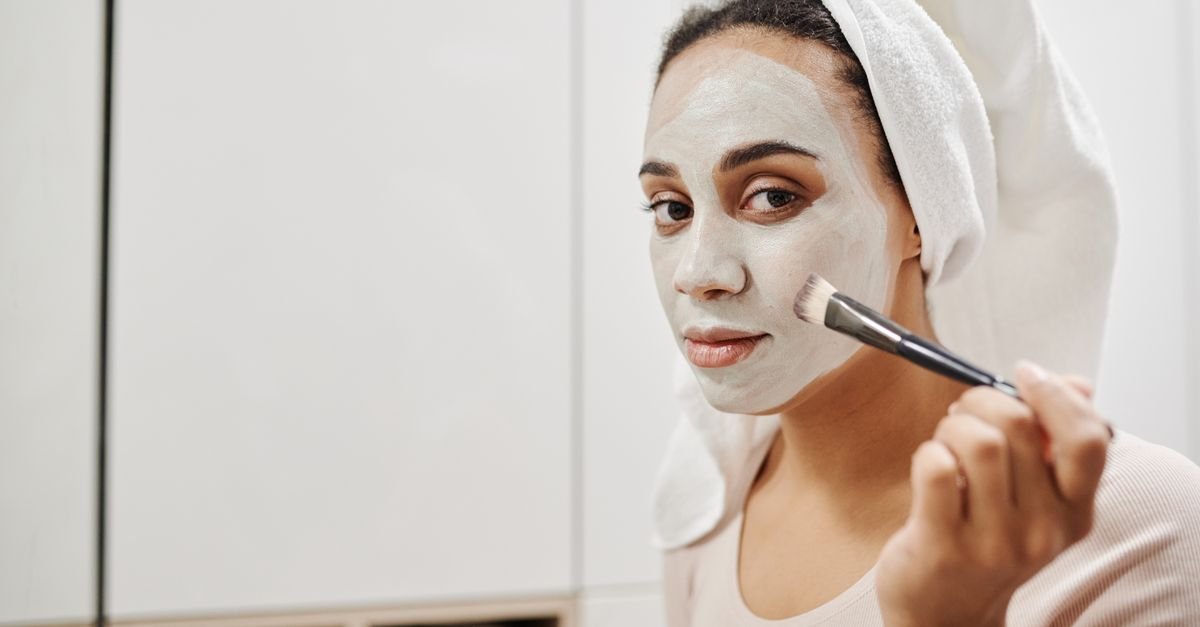
Regular cleansing, a weekly clay mask and steam before your routine are all reasonable. Avoid baking soda, lemon juice and abrasive scrubs, which disrupt your skin barrier and often make things worse.
If a “remedy” stings or leaves skin red and tight, it’s damaging your barrier – stop using it.

Blackheads and oily skin
Oily skin and blackheads tend to go hand in hand.
Because oil is a main ingredient in the clog, controlling excess oil helps a lot. Niacinamide, salicylic acid and lightweight, oil-free products are your best friends here.
Resist the urge to over-cleanse or over-dry your skin, which only pushes it to make more oil.
When should you see a dermatologist?
Most blackheads respond well to a good at-home routine, but not all.
If you have stubborn, widespread blackheads alongside deeper acne, or you’re not seeing progress after a couple of months, a dermatologist can help.
They can prescribe stronger retinoids or professional extractions tailored to your skin. This is general information, not medical advice.
Common blackhead mistakes to avoid
- Squeezing and picking. It causes inflammation, marks and scarring.
- Over-scrubbing. Harsh physical scrubs irritate skin and worsen oil.
- Drying skin out. Stripped skin overproduces oil, feeding blackheads.
- Chasing sebaceous filaments. They’re normal and always return.
- Quitting too soon. Blackheads need ongoing, consistent prevention.
Where do blackheads appear, and why?
Blackheads show up most where your skin has the most oil glands.
The nose, chin and forehead – the T-zone – are the classic hotspots, but they also appear on the cheeks, chest, shoulders and back. Anywhere with active oil glands and clog-prone pores can get them.
Body blackheads respond to the same care as facial ones: gentle cleansing and salicylic acid, not scrubbing.
Can your diet affect blackheads?
Diet is not the main cause of blackheads, but it can play a supporting role for some people.
There is some evidence that very high-sugar, high-glycemic foods and, for certain people, dairy may worsen breakouts. This varies a lot from person to person.
A balanced diet supports skin health overall, but consistent topical care matters far more than any single food.
How often should you exfoliate for blackheads?
Exfoliation helps, but more is definitely not better.
For most people, a chemical exfoliant like salicylic acid two to three times a week keeps pores clear without irritation. Over-exfoliating strips the skin and can trigger more oil.
Skip harsh physical scrubs – gentle, consistent chemical exfoliation is kinder and more effective for blackheads.
What is the difference between blackheads and whiteheads?
Blackheads and whiteheads are close cousins – both are clogged pores.
A blackhead is an open clog, so the trapped material is exposed to air, oxidizes and turns dark. A whitehead is a closed clog, covered by a thin layer of skin, so it stays white or flesh-colored.
The good news is that both respond to the same core treatments, especially salicylic acid and retinoids.
Can makeup and sunscreen cause blackheads?
Heavy or poorly removed products can definitely contribute.
Thick, pore-clogging (comedogenic) makeup and sunscreen can block pores, and sleeping in them makes it worse. That does not mean you should skip sunscreen – it means choosing the right formulas.
Look for non-comedogenic, lightweight products, and always double-cleanse at night to remove every trace.
How long does it take to clear blackheads?
Clearing blackheads is a marathon, not a sprint.
With a consistent routine, many people see visible improvement within four to eight weeks, as pore-clearing actives work through the buildup. Deeper, stubborn congestion can take longer.
Because blackheads recur naturally, the goal is ongoing control rather than a one-time cure.
Should you see an esthetician or dermatologist for blackheads?
If home care is not enough, a professional can safely do what you should not do yourself.
A licensed esthetician can perform proper extractions and professional facials that clear stubborn congestion without the scarring risk of at-home squeezing. A dermatologist can go further with prescription retinoids or in-office treatments.
This is especially worth it if blackheads come with deeper acne, or if you have tried a consistent routine for a couple of months without much progress. Professional help plus a good home routine is the most reliable combination.
Do blackheads go away on their own?
Most blackheads will not clear by themselves.
Because the pore stays clogged and open, the trapped material tends to sit there until you treat it or it is extracted. Left alone, it often stays put or worsens.
The reliable route is consistent pore-clearing ingredients rather than waiting and hoping they vanish.
Can you safely extract blackheads at home?
Gentle at-home extraction is possible, but risky if done wrong.
If you must, do it on clean, warm skin (after a shower), use tissue over your fingers, and never force anything. If it does not release easily, stop.
Aggressive squeezing causes inflammation, marks and scarring, so for stubborn ones, a professional is the safer choice.
What is the best cleanser for blackhead-prone skin?
Your cleanser sets the foundation for clear pores.
A gentle salicylic acid cleanser is ideal, as it gets into oily pores to loosen clogs. Gel and foaming textures suit oilier skin well.
Avoid harsh, stripping cleansers that leave skin tight – they can trigger more oil and make blackheads worse.
How do retinoids help with blackheads?
Retinoids are one of the most effective long-term tools against blackheads.
They speed up skin-cell turnover, so pores are less likely to clog in the first place. Over time this steadily reduces blackheads and improves texture.
Introduce them slowly to avoid irritation, and always pair them with daily sunscreen.
How can you prevent blackheads after sweating or the gym?
Sweat plus trapped oil is a recipe for clogged pores.
Cleanse your skin soon after working out to remove sweat, oil and bacteria before they settle into pores. Avoid wiping your face with dirty towels or hands.
If you cannot wash properly right away, a gentle cleansing wipe followed by a proper cleanse later helps.
Does moisturizer make blackheads worse?
The right moisturizer helps; the wrong one can contribute.
Skipping moisturizer to “dry out” oily skin backfires, as stripped skin makes more oil. A lightweight, non-comedogenic moisturizer keeps skin balanced.
Just avoid heavy, pore-clogging creams if you are blackhead-prone, and check labels for non-comedogenic formulas.
Do blackheads leave scars?
Blackheads themselves rarely scar – the damage usually comes from how we treat them.
Aggressive squeezing and picking can inflame the pore and lead to marks or scarring. Left to a proper routine, blackheads clear without lasting damage.
If you do have marks from past picking, brightening ingredients and, for texture, retinoids can help fade them over time.
Which everyday habits reduce blackheads?
Small daily habits quietly make a big difference.
Keep your phone screen, pillowcases and makeup brushes clean, since they transfer oil and bacteria to your face. Try not to touch your face throughout the day.
Remove makeup and sunscreen every night without fail – overnight buildup is a major cause of clogged pores.
Frequently Asked Questions
How do you get rid of blackheads?
Use pore-clearing ingredients consistently – salicylic acid to dissolve clogs, retinoids to speed up cell turnover, and niacinamide to control oil. Avoid squeezing and harsh scrubbing, which cause inflammation and marks. Keeping pores clear over time is far more effective than any one-off treatment.
What is the fastest way to remove blackheads?
There’s no instant, lasting fix, but a salicylic acid treatment plus a clay mask can visibly reduce them fairly quickly. Professional extractions by a trained esthetician or dermatologist are the safest fast option. Anything that promises overnight results usually risks damaging your skin.
Are blackheads caused by dirt?
No. Blackheads are clogged pores filled with oil and dead skin, and they look dark because that material oxidizes when exposed to air – not because of dirt. Over-washing to “scrub away dirt” can actually make them worse.
Do pore strips get rid of blackheads?
Only temporarily and superficially. Pore strips pull out the very top of a clog but leave the rest behind, so blackheads quickly return. They can also irritate sensitive skin. A consistent salicylic acid routine works far better long-term.
What’s the difference between blackheads and sebaceous filaments?
Blackheads are clogged pores that appear dark and raised and clear with treatment. Sebaceous filaments are small gray dots, especially on the nose, that are a normal part of your skin’s oil system and always come back. Trying to eliminate filaments is a losing battle.
Does salicylic acid remove blackheads?
Yes – salicylic acid is one of the best ingredients for blackheads. Because it’s oil-soluble, it can get inside oily pores and dissolve the clog. Use it consistently in a cleanser or leave-on treatment for steady improvement.
How can I prevent blackheads from coming back?
Keep using pore-clearing actives even after your skin clears, choose non-comedogenic products, and remove makeup and sunscreen thoroughly every night. Blackheads recur by nature, so ongoing prevention is what keeps them away.
The bottom line
Blackheads are clogged, oxidized pores – and the winning strategy is consistent chemistry, not force.
Lean on salicylic acid, retinoids and niacinamide, skip the squeezing and harsh scrubs, and keep your routine going to prevent them returning.
To go further, see our niacinamide guide and retinol guide.

 Adhorika Khan