 Adhorika Khan
Retinol is one of the most researched and effective skincare ingredients available — famous for smoothing fine lines, evening skin tone, and improving texture. But it’s also one of the easiest to misuse, and beginners often quit after irritation scares them off. The key is starting slow and choosing the right product. This guide explains how to choose the best retinol cream for beginners, how to use it without the dreaded “retinol burn,” and what to expect.
What Retinol Actually Does
Retinol is a form of vitamin A that encourages skin cell turnover and supports collagen. In practice, that can mean softer fine lines, a more even tone, smoother texture, and clearer-looking skin over time. It’s a long-game ingredient — results build over weeks and months of consistent use, not overnight. That patience is exactly why choosing a beginner-friendly formula and using it correctly matters so much.
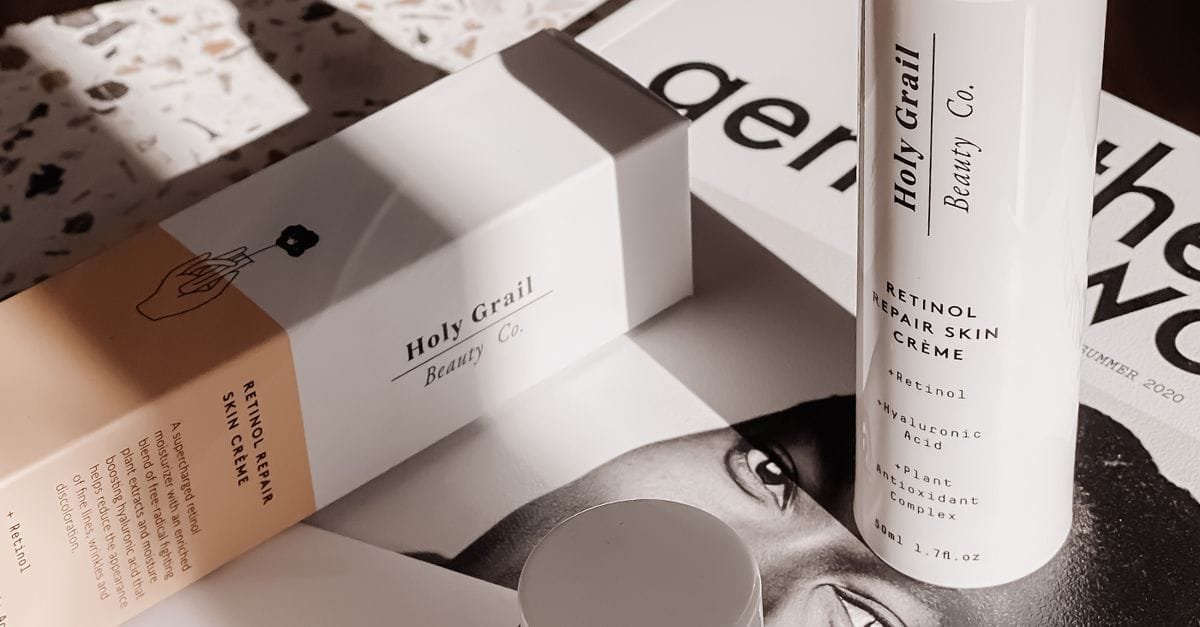
What to Look For in a Beginner Retinol
A Lower Strength
Beginners should start with a low concentration of retinol. A gentle strength lets your skin build tolerance and minimizes irritation. You can work up to stronger formulas later — there’s no prize for starting strong, only more redness and peeling.
A Cream or Moisturizer Base
For sensitive or new skin, a retinol in a nourishing cream or moisturizer base tends to be gentler than a potent serum. Look for hydrating, soothing ingredients alongside the retinol — like hyaluronic acid, niacinamide, ceramides, or squalane — which buffer irritation.
Encapsulated or “Gentle” Formulas
Some retinols use slow-release (encapsulated) technology or are labeled for sensitive skin, releasing the active gradually for less irritation. These are ideal first products.
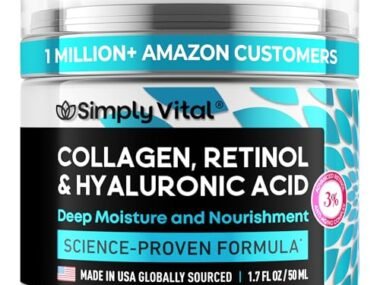
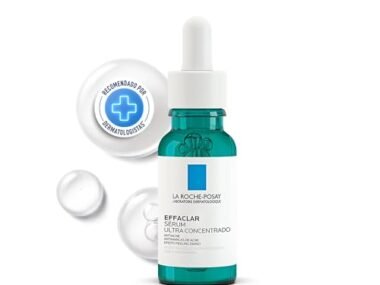
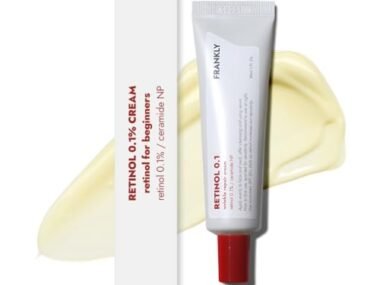
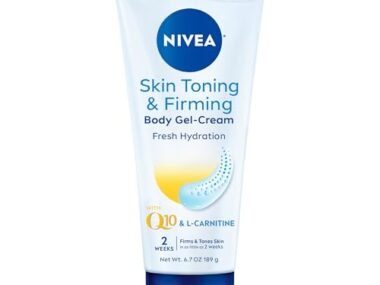
Beginner retinol picks on Amazon
Gentle, beginner-friendly options to explore:
How to Use Retinol Without Irritation
This is where most beginners go wrong. Follow the “start low, go slow” rule:
- Start once or twice a week — not nightly. Let your skin adjust, then gradually increase frequency over several weeks.
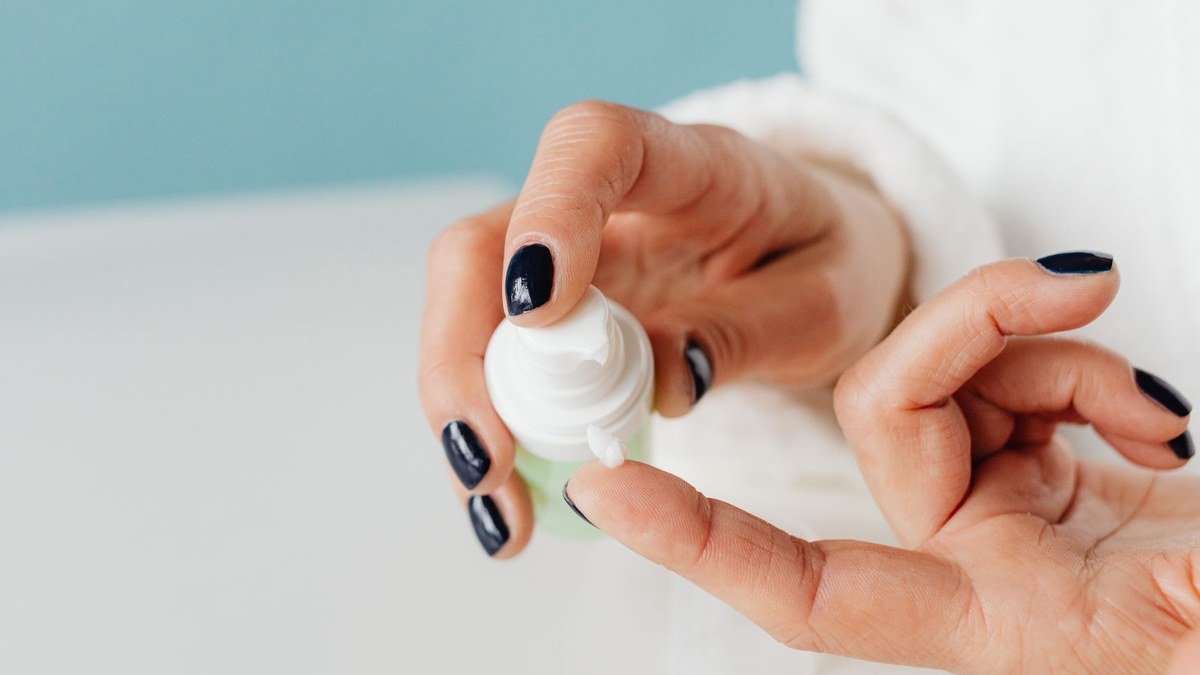
- Use a pea-sized amount — more is not better; a little covers the whole face.
- Apply at night to dry skin, then follow with moisturizer (or try the “sandwich” method — moisturizer, retinol, moisturizer — for extra buffering).
- Always wear sunscreen daily — retinol makes skin more sun-sensitive, and SPF protects your progress.
- Don’t mix with other strong actives at first (like high-strength acids or vitamin C in the same routine) to avoid overload.
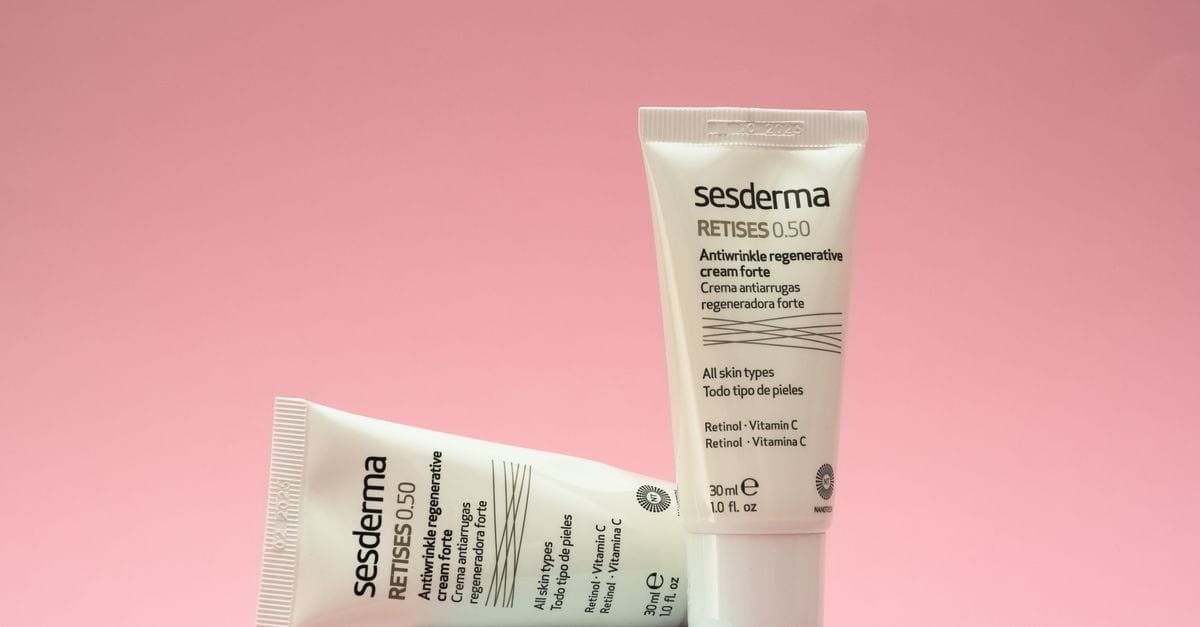
What to Expect (and the “Purge”)
In the early weeks, some people experience dryness, mild flaking, or a “retinization” adjustment period — this usually settles as skin builds tolerance. Some may see an initial breakout or “purge.” Mild adjustment is normal, but genuine burning, severe redness, or painful peeling means you’re using too much, too often — scale back. Real visible benefits take consistent use over a couple of months, so stick with it patiently.
Who Should Be Cautious
Retinol isn’t for everyone. It’s generally not recommended during pregnancy or breastfeeding, and those with very sensitive skin or conditions like eczema or rosacea should be careful. If you have any doubts or a skin condition, it’s best to check with a dermatologist before starting.
A Note on Your Skin’s Health
Everyone’s skin is different, and this is general guidance, not personalized medical advice. Always patch-test a new product first, introduce retinol slowly, and stop use if you experience a strong reaction. For persistent skin concerns, sensitive skin, or if you’re pregnant, consult a dermatologist or qualified skincare professional before adding retinol to your routine.
Frequently Asked Questions
What strength of retinol should a beginner use?
Start with a low concentration so your skin can build tolerance with minimal irritation. You can move up to stronger formulas later. There’s no benefit to starting strong — it just causes more redness and peeling.
How often should I use retinol as a beginner?
Begin once or twice a week, applied at night, and gradually increase frequency over several weeks as your skin adjusts. Use a pea-sized amount and always follow with moisturizer and daily sunscreen.
Does retinol make you purge?
Some people experience an initial adjustment period with dryness, mild flaking, or a short breakout. This usually settles as skin adapts. Severe burning or painful peeling, though, means you’re overusing it — scale back.
Can I use retinol if I’m pregnant?
Retinol is generally not recommended during pregnancy or breastfeeding. If you’re pregnant, trying to conceive, or breastfeeding, talk to your doctor or dermatologist about pregnancy-safe alternatives instead.
Key Takeaways
- Retinol smooths fine lines, evens tone, and improves texture — over weeks and months, not overnight.
- Beginners should choose a low-strength retinol in a hydrating cream base with soothing ingredients.
- Start once or twice a week, use a pea-sized amount, moisturize, and wear daily sunscreen.
- Mild adjustment is normal; severe irritation means scale back.
- Patch-test, be cautious with sensitive skin, and consult a dermatologist if pregnant or unsure.
Retinol is a beginner-friendly powerhouse when you respect the “start low, go slow” rule. Choose a gentle formula, ease it into your routine, protect your skin with SPF, and let consistency do the work. Explore more in our Anti-Aging & Skin Health guides.

 Adhorika Khan