 Adhorika Khan
You’ve found them: tiny white bumps under your eyes or across your cheeks that look like whiteheads but refuse to behave like them. They don’t pop. They don’t hurt. They just… sit there, for months.
Meet milia — possibly the most stubborn, most misunderstood little bumps in skincare. The good news: once you know what they actually are, dealing with them gets much less mysterious.
Quick answer: Milia are tiny cysts of trapped keratin (skin protein) sealed under the surface of the skin — not acne, and not poppable, because unlike a pimple they have no opening. Home care means gentle exfoliation and retinoids to speed skin turnover so they can work their way out; stubborn ones are removed safely (and quickly) by a dermatologist or qualified esthetician. Squeezing them yourself only damages the skin around them.
Key Takeaways
- Milia are keratin-filled cysts under intact skin — hard, white, painless little pearls, usually 1–2 mm.
- They’re not pimples: no pore opening, no bacteria, no inflammation — and no way to squeeze them out.
- Common triggers: heavy creams, sun damage, skin trauma (burns, rashes, harsh scrubbing) — and sometimes just genetics.
- Home strategy = patience + turnover: gentle chemical exfoliation and a retinoid, consistently, for weeks-to-months.
- Professional extraction is the fast lane — a sterile lancing that takes seconds per milium.
- Newborn milia are completely normal and clear on their own — no treatment needed.
What Exactly Are Milia?
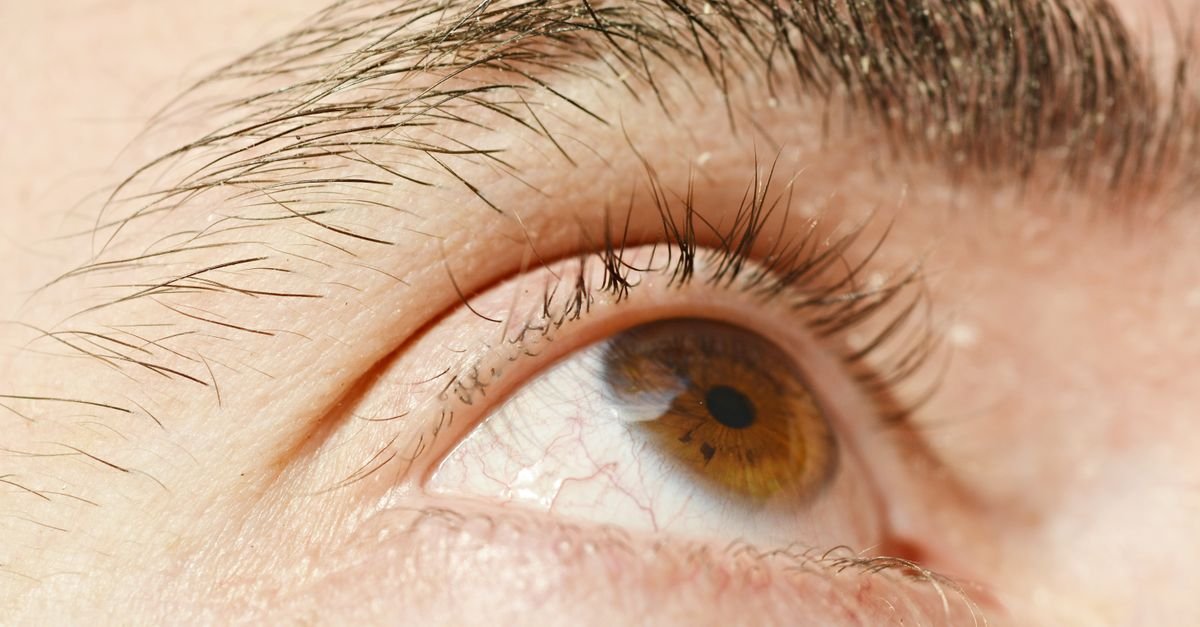
A milium (milia is the plural) is a tiny cyst filled with keratin — the same protein that builds your skin, hair, and nails.
Normally, dead skin cells shed on schedule. When a few get trapped beneath the surface instead, they compact into a firm, pearl-like ball, sealed under a thin layer of skin.
That sealed part is the entire story: there’s no channel to the surface, no opening, no exit. It’s a pearl in a pocket — which explains both why milia persist and why squeezing fails.
They’re most common around the eyes and on the cheeks, where skin is thinnest, but can appear on the nose, forehead, and chin too.
Milia vs. Whiteheads: How Do You Tell Them Apart?
The confusion is universal — both are small and white — but the differences are easy once you know them:
Feel: a milium is hard, like a tiny seed under the skin. A whitehead is softer, sitting in a pore.
Behavior: whiteheads evolve — they come to a head, resolve, or become pimples within days. Milia are frozen in time, unchanged for weeks or months.
Inflammation: whiteheads live in the acne family, often with redness nearby. Milia sit in calm, un-inflamed skin.
Poppability (not that we recommend either): a whitehead has a pore opening; a milium has none — pressure does nothing but bruise the neighborhood.
If your bumps act more like whiteheads, our guide to getting rid of whiteheads is the right rabbit hole instead.
What Causes Milia?
Milia come in two broad flavors, with different origin stories.
Primary milia: the spontaneous kind
These appear on their own, when dead cells simply fail to shed properly. Genetics plays a role — some skin is just milia-prone. Newborns famously get them (up to half of babies do) because immature skin is still learning to exfoliate itself; those clear without any treatment.
Secondary milia: the aftermath kind
These form where skin has been through something: burns (including sunburns), blistering rashes, harsh resurfacing treatments, or long-term steroid cream use. The healing process traps keratin as skin rebuilds.
The everyday accomplices
Heavy, occlusive products around the eyes can contribute in prone skin — rich balms that sit on the thin eye area may slow natural shedding.
Cumulative sun damage thickens the outer skin layer over years, making trapped keratin more likely — one more argument for the daily habit in our SPF guide.
Aggressive scrubbing ironically backfires: micro-damage plus irritation can seed the very bumps people scrub to prevent.
Why Can’t You Just Pop Milia?
Because there is nothing to pop through. A pimple is pressurized contents with a weak exit; a milium is a solid keratin pearl under fully intact skin.
Squeezing translates all that force into the surrounding tissue instead. The likely outcomes: broken capillaries, bruising, gouged skin, post-inflammatory dark marks that outlast the milium by months — and usually the pearl stays right where it was.
Around the eyes, where most milia live, the skin is the thinnest on your body and scars most visibly. That’s the worst possible neighborhood for amateur excavation.
When professionals remove milia, they create a tiny opening first with a sterile lancet — that’s the step you can’t safely improvise at your bathroom mirror.
How Do You Get Rid of Milia at Home?
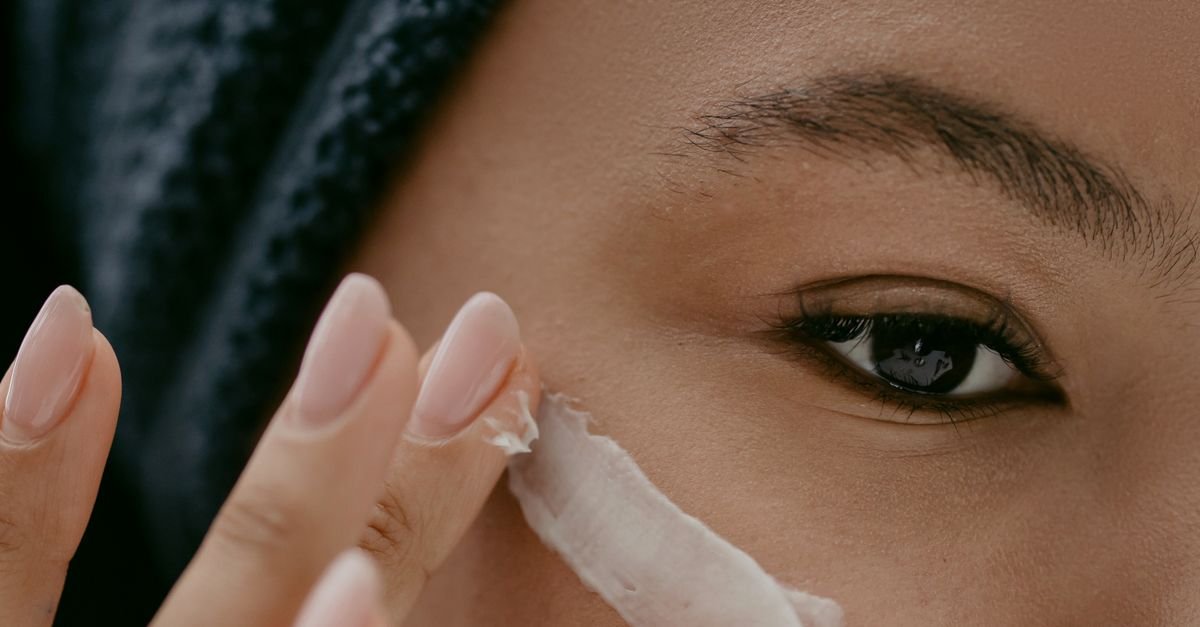
Home care can’t lance a cyst — but it can speed up your skin’s natural turnover so milia surface and release on their own. Think of it as convincing the pocket to open from the inside.
Step 1: Switch to gentle cleansing
A mild cleanser, lukewarm water, no scrubbing pads or gritty scrubs on affected areas. You’re removing the “more irritation” input entirely.
Step 2: Add chemical exfoliation
Acids dissolve the bonds holding dead cells — exactly the failure milia represent. BHA (salicylic acid) is oil-soluble and travels into pores; AHAs (glycolic, lactic) resurface more broadly. Two to three nights a week is plenty; our AHA vs BHA guide helps you pick a lane.
Step 3: Bring in a retinoid
Retinoids (retinol, retinal, or prescription tretinoin) accelerate cell turnover from below — the closest thing to a “push it out” button skincare has. Start low and slow per our complete retinol guide, and expect the timeline in weeks, not days.
Step 4: Lighten the eye-area load
If milia cluster where you apply a rich balm or heavy cream, switch that zone to a lighter, non-occlusive formula and see what a month changes.
Step 5: SPF, daily
Both because sun damage is a milia contributor and because acids and retinoids make sun protection non-negotiable anyway.
Turnover helpers worth searching on Amazon:
How Long Does It Take Milia to Go Away?
Honest timelines, because this is where most people give up too early:
Newborn milia: a few weeks, on their own, zero intervention.
Adult milia with consistent home care: commonly one to three months per bump — turnover is genuinely slow, especially around the eyes.
Some milia simply won’t budge from home care at all. Deeply seated pearls can sit for years — those are extraction candidates, not personal failures.
Professional removal: seconds per milium, healed within days.
The strategy most dermatologists suggest: give diligent home care about eight weeks; whatever remains, let a professional handle in one short visit.
What Does Professional Milia Removal Look Like?
Refreshingly quick and low-drama. A dermatologist (or, where regulations allow, a qualified esthetician) will typically:
Clean the area, nick a microscopic opening in the skin over the milium with a sterile lancet or needle, and express the keratin pearl with gentle pressure from a comedone extractor. Seconds per bump.
Alternatives for many-at-once or recurring cases include light electrocautery, cryotherapy, or a series of chemical peels — your provider will match the tool to your skin.
Aftercare is minimal: keep the spots clean, skip makeup on them briefly, resist picking the tiny scabs, and wear your SPF.
Cost varies by region and provider, but extraction is usually a modest add-on to a visit — and watching six months of stubborn bumps vanish in five minutes has excellent value-per-second.
How Do You Prevent Milia From Coming Back?
Prevention is the same cast as treatment, kept on retainer:
- Keep gentle exfoliation in rotation — once or twice weekly maintenance, not daily assault.
- Stay on your retinoid — turnover support is a long game with compounding benefits (milia prevention included).
- Choose eye products deliberately — lighter textures if you’re prone; “non-comedogenic” labels are an imperfect but useful signal.
- Daily sunscreen — the anti-milia argument stacks on top of the anti-aging one.
- Remove makeup thoroughly but gently every night — the double-cleansing method does this without scrubbing.
- Skip DIY trauma — aggressive scrubs, home dermaplaning misadventures, and amateur extractions all seed secondary milia.
Common Myths About Milia
“Milia are baby acne.” Even in babies, milia aren’t acne — no bacteria, no inflammation, no pores involved. They’re trapped keratin, full stop.
“They mean your skin is dirty.” Hygiene has nothing to do with it — milia form under the skin. No cleanser reaches them, and over-washing only irritates.
“Toothpaste / lemon / baking soda removes them.” None of these dissolve keratin under intact skin; all of them irritate the eye area. Hard pass.
“If I squeeze hard enough, it’ll come out.” Without an opening, force only bruises and scars — and the pearl remains.
“Milia are contagious.” Not even slightly — nothing bacterial or viral is involved.
“Oily skin causes milia.” Milia are keratin, not sebum — they happily appear on dry and mature skin, which is partly why heavy moisture-barrier creams are on the suspect list instead.
When Should You See a Dermatologist?
Book the professional visit when:
- Milia persist past a couple of months of consistent gentle care.
- They’re multiplying, clustering in plaques, or appearing after a burn or rash (secondary milia often need in-office help).
- They sit right on the eyelid margin or anywhere you’d rather not experiment.
- You’re not certain they’re milia — other small bumps (from clogged pores to less common conditions) can look similar, and a diagnosis-by-eyeball from a board-certified dermatologist beats guessing.
- You just want them gone this week — a completely valid reason.
The usual honest note: this guide is education, not medical advice — for anything persistent, changing, or near your eyes, let a professional look at your actual skin.
Can You Cover Milia With Makeup?
Yes — and done right, makeup neither worsens milia nor slows their exit. A few technique notes make the difference:
Prime lightly, skip the heavy silicones around prone areas if you notice a pattern — thick, occlusive primers sit in the same “suspect” category as heavy balms.
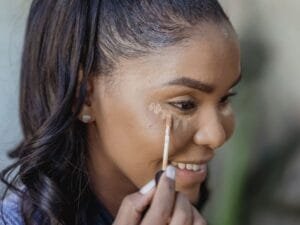
Thin layers beat spackle. A sheer, buildable concealer stippled with a fingertip or small brush disguises the bump’s shine without caking on its edges — texture shows most when product pools around raised skin.
Set with a light dusting of translucent powder: matte surfaces catch less light, and milia read as bumps mostly because their little domes reflect it.
Remove it all thoroughly but gently at night — sleeping in makeup is exactly the slowed-shedding scenario milia enjoy.
And a kind reframe while you wait out the timeline: milia are far more visible to you at 10cm in a magnifying mirror than to anyone else at conversation distance. Treat, conceal lightly if you like, and let turnover do its quiet work.
Frequently Asked Questions
What causes milia on the face?
Milia form when keratin — dead skin protein — gets trapped beneath the skin’s surface instead of shedding. Triggers include genetics, sun damage, skin trauma like burns or harsh scrubbing, heavy occlusive creams, and in newborns simply immature skin. Often they appear with no identifiable cause at all.
Can you pop milia like a pimple?
No — milia have no pore opening, so squeezing can’t expel them. Pressure only bruises and scars the surrounding skin, especially around the eyes. Professionals remove them by creating a tiny sterile opening first, which isn’t safe to DIY.
How do you get rid of milia under the eyes?
Gently: lighten heavy eye creams, add cautious chemical exfoliation and a low-strength retinoid near (not in) the eye area, and wear daily SPF. Under-eye milia are also prime candidates for quick professional extraction, since the skin there is thin and slow to turn over.
Do milia go away on their own?
Sometimes. Newborn milia clear within weeks. Adult milia may resolve over one to three months as skin turns over — or persist for years if deeply seated. Consistent gentle exfoliation and retinoids improve the odds; extraction handles the holdouts.
What is the difference between milia and whiteheads?
Whiteheads are soft, pore-based acne that evolves within days and can involve bacteria and inflammation. Milia are hard keratin cysts under intact skin — no pore, no inflammation, no change for months. The “frozen in time” quality is the giveaway.
Does retinol help with milia?
Yes — retinoids speed cell turnover, which helps existing milia work toward the surface and makes new ones less likely. Expect gradual results over weeks, start gently, and pair with daily sunscreen.
Who removes milia — a dermatologist or an esthetician?
A board-certified dermatologist is the safest choice, and the right one for eyelid-adjacent milia, clusters, or any diagnostic doubt. In many places, licensed estheticians may also extract simple milia during facials — ask about training and sterile technique.
The bottom line
Milia are pearls in pockets — harmless, unhurried, and immune to squeezing. Give them turnover (acids, a retinoid, patience), stop feeding them (lighter eye products, daily SPF, no scrubbing wars), and hand the stubborn ones to a professional for their five seconds of fame. Smooth is a timeline, not a miracle.

 Adhorika Khan