 Adhorika Khan
To get rid of whiteheads, stop squeezing and start dissolving: a salicylic acid (BHA) product clears the clogged pore from inside, a retinoid keeps new clogs from forming, and gentle, consistent cleansing prevents the buildup that started it all. Whiteheads respond beautifully to patience — and badly to fingernails. Here’s the full, honest plan.
Key Takeaways
- Whiteheads are closed clogged pores (closed comedones) — oil and dead skin sealed under the surface.
- Don’t squeeze: popping spreads inflammation and causes scars and dark marks.
- The proven fixers: salicylic acid (BHA) + a retinoid, used consistently.
- Results take 4–8 weeks — whiteheads clear on skin-cycle time, not overnight.
- Widespread or stubborn cases deserve a dermatologist’s help.
What are whiteheads, exactly?
A whitehead is a pore that got clogged and then sealed shut.
Oil (sebum) and dead skin cells pack the pore, and a thin layer of skin closes over the top — trapping the plug as a small, white or skin-colored bump. Dermatologists call them closed comedones.
Because they’re sealed, the plug can’t oxidize and darken — that’s the entire difference from a blackhead.
The video below from board-certified dermatologist Dr. Aleksandra Brown explains closed comedones and bumpy skin brilliantly.
Whiteheads vs blackheads: the one-sentence difference
Same clog, different lid.
A blackhead is an open clogged pore — air oxidizes the plug and turns it dark. A whitehead is the same clog sealed under skin, so it stays pale.
Treatment overlaps heavily, which is why this guide pairs well with our blackheads guide.
Whiteheads vs pimples vs milia: don’t mix them up
Three bumps, three different things.
Whiteheads are non-inflamed clogs — no redness, no pain. Pustules (classic pimples) are inflamed, red and tender with a pus head. Milia are tiny, hard keratin pearls that have no pore opening at all and don’t respond to acne treatment.
This guide is for true whiteheads; persistent milia need a professional’s needle, not your bathroom mirror.
What causes whiteheads?
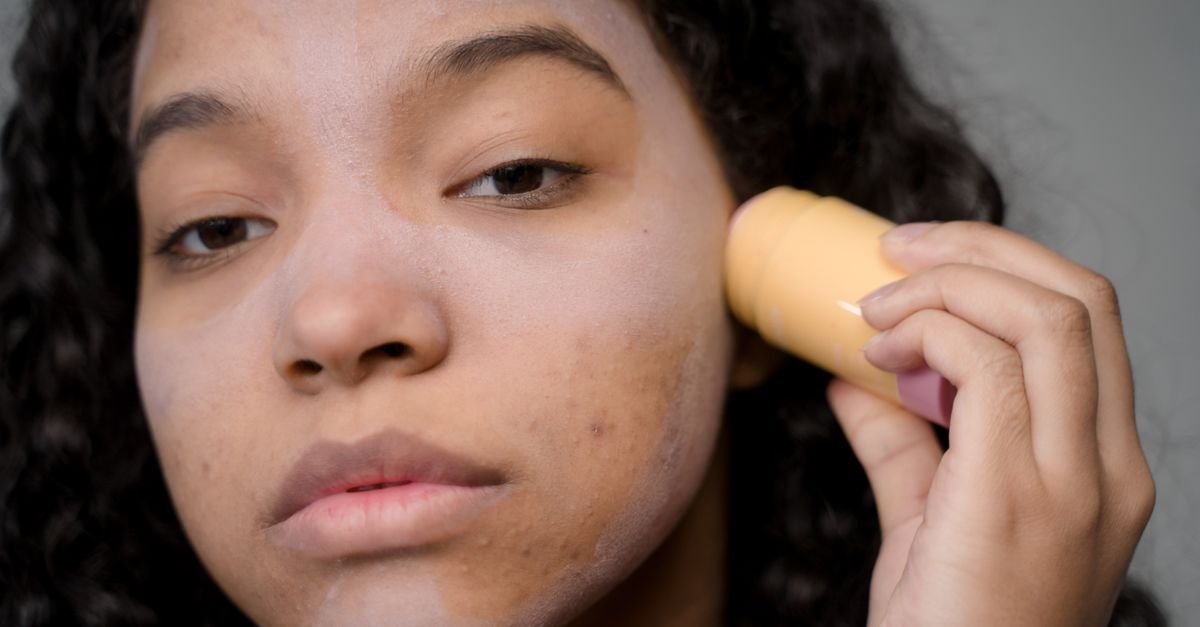
Whiteheads happen when oil production and dead-skin turnover outpace the pore’s housekeeping.
- Excess oil — hormones, genetics and skin type drive it.
- Slow cell turnover — dead cells linger and pack into pores.
- Comedogenic products — heavy creams, oils and makeup that clog.
- Incomplete cleansing — sunscreen and makeup left overnight.
- Friction and habits — phone screens, hat brims, touching your face.
Where do whiteheads show up most?
Wherever oil glands are busiest.
The forehead, chin and jawline are classic zones; the nose and cheeks join in for oilier skin. Hairline whiteheads often trace back to hair products.
Location is a clue: map your bumps and you often find the cause sitting right next to them.
Why you shouldn’t squeeze whiteheads
We know. It’s tempting. Please don’t.
A whitehead has no exit — it’s sealed. Squeezing forces the contents sideways and deeper, rupturing the pore wall, inviting real inflammation, infection, dark marks and scars.
One squeezed whitehead can become a two-week angry pimple and a six-month dark spot. The math never works.
The #1 ingredient: salicylic acid (BHA)
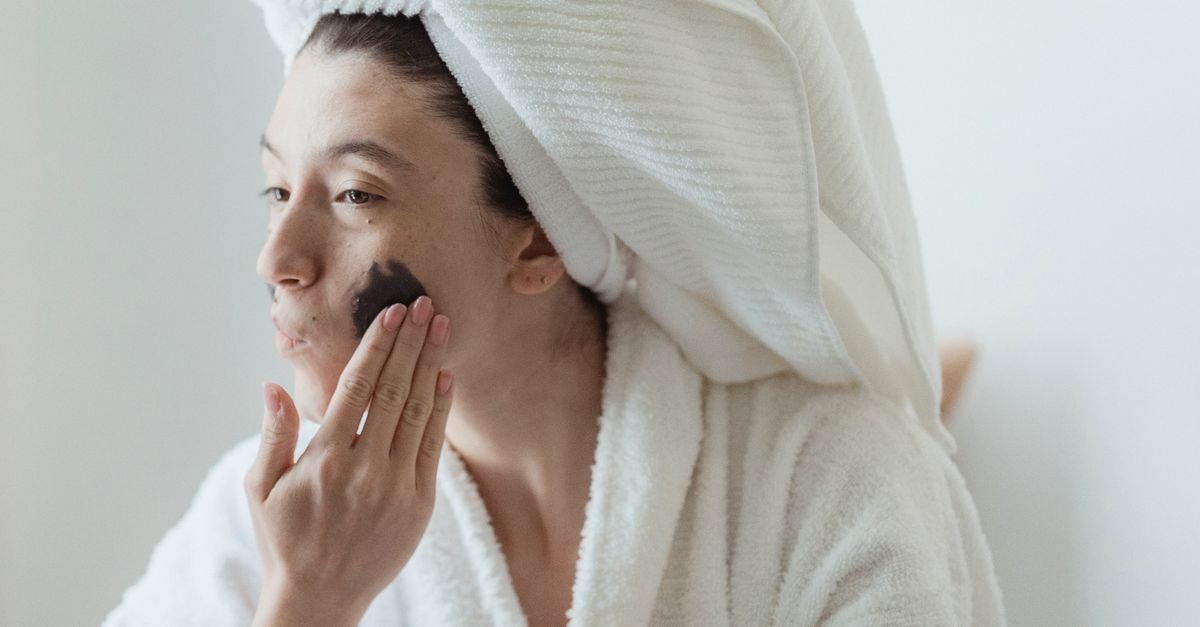
Salicylic acid is the whitehead specialist.
Because it’s oil-soluble, it penetrates the sealed pore and dissolves the plug from the inside — exactly what a closed comedone needs.
Start with a 0.5–2% product a few nights a week. Our AHA vs BHA guide explains how to slot it in safely.
The long-game hero: retinoids
Retinoids stop tomorrow’s whiteheads.
By normalizing how skin cells turn over, retinol (or stronger prescription retinoids) prevents dead cells from packing into pores in the first place — the closest thing to a comedone off-switch.
Start low, go slow, and read our complete retinol guide first.
The supporting cast: niacinamide and gentle cleansing
Two quiet helpers round out the routine.
Niacinamide helps regulate oil production, addressing the supply side of the clog — see our niacinamide guide.
Gentle, thorough cleansing — especially an evening double cleanse if you wear makeup or sunscreen — removes the raw material before it settles in.
A simple whitehead-clearing routine
Here’s the whole strategy, morning and night.
Morning: gentle cleanser → niacinamide serum → light non-comedogenic moisturizer → sunscreen.
Evening: (double) cleanse → salicylic acid 2–3 nights a week OR retinoid on alternate nights → moisturizer.
That’s it. Boring, consistent, effective.
How long until whiteheads clear?
Honest timeline: weeks, not days.
Existing whiteheads soften and clear over 4–8 weeks of consistent BHA use; retinoids take 8–12 weeks to show their prevention powers.
Skin works in roughly month-long cycles — judge your routine after two of them, not after three applications.
What about pimple patches?
Great for pimples, mostly useless for whiteheads.
Hydrocolloid patches absorb fluid from open, oozing blemishes. A sealed, dry whitehead gives them nothing to drink.
Medicated patches (with salicylic acid) do a little more, but a leave-on BHA product beats them for coverage and cost.
Can honey, toothpaste or lemon help?
No — and two of the three actively hurt.
Toothpaste and lemon are irritants that damage your barrier and can leave marks, especially on deeper skin tones. Honey is harmless but doesn’t dissolve pore plugs.
The kitchen is for snacks; the routine above is for whiteheads.
Do face scrubs work on whiteheads?
Less than you’d hope, and riskier than they look.
Scrubs polish the surface, but a whitehead’s plug sits under a sealed roof — grit can’t reach it, and aggressive scrubbing inflames the area.
Chemical exfoliation (BHA) goes where scrubs can’t. If you love a scrub, keep it gentle and occasional.
Makeup, sunscreen and “non-comedogenic” labels
Your products may be feeding the problem.
Choose non-comedogenic, lightweight formulas — gel moisturizers and fluid sunscreens suit clog-prone skin — and be ruthless about removing them at night.
Also check hair products: pomades and oils cause a well-known crop of hairline and forehead comedones.
Whiteheads and diet: what’s the evidence?
Diet is a supporting actor, not the villain.
For some people, high-glycemic diets and certain dairy appear linked to more breakouts; for others, no effect. No food causes whiteheads universally.
If you notice a personal pattern, adjust — but fix the skincare first, since that’s where the leverage is.
Hormones, stress and adult whiteheads
Whiteheads aren’t just a teenage story.
Hormonal shifts — cycles, stress, life stages — push oil production up, and adult whiteheads along the jaw and chin are extremely common.
The same routine works at any age; persistent hormonal breakouts may also benefit from a dermatologist’s prescription options.
When extraction IS okay
There’s a professional exception to the no-squeezing rule.
Estheticians and dermatologists can extract stubborn comedones with sterile tools, correct technique and proper prep — safely opening what your fingers can’t.
If a whitehead has squatted for months, book the professional instead of fighting it at home.
Common whitehead mistakes to avoid
- Squeezing — scars and dark marks last far longer than the bump.
- Over-exfoliating — daily acids + scrubs = wrecked barrier, more bumps.
- Drying skin out on purpose — rebound oil makes clogs worse.
- Trying five new products at once — you’ll never know what worked.
- Quitting at week three — right before results arrive.
If your skin is irritated, fix that first
A damaged barrier fakes and worsens breakouts.
If your skin stings, flakes and breaks out at once, pause the actives and repair for two weeks — then reintroduce slowly.
Our guide to repairing a damaged skin barrier walks you through it.
When to see a dermatologist
Some whitehead situations outgrow the drugstore.
If bumps are widespread, deeply stubborn, scarring, or nothing improves after 2–3 months of consistent care, a dermatologist can prescribe stronger retinoids and offer professional extraction.
This article is general information, not medical advice — consult a professional for persistent skin concerns.
What about benzoyl peroxide?
Benzoyl peroxide is a breakout heavyweight — but not the whitehead specialist.
It excels against inflamed, red pimples by targeting acne bacteria. Non-inflamed whiteheads are clogs, not infections, so BHA and retinoids fit the job better.
If you get both bump types, many routines pair benzoyl peroxide on angry spots with BHA for congestion — introduced separately, never slathered together on day one.
Adapalene: the OTC retinoid upgrade
One retinoid deserves a special mention for whiteheads.
Adapalene — once prescription-only, now over the counter in many places — was designed specifically for comedonal acne and is a favorite dermatologist recommendation for stubborn clogs.
Treat it like any retinoid: pea-sized, start slow, buffer if needed, sunscreen daily.
Could it be “fungal acne” instead?
Some whitehead lookalikes aren’t comedones at all.
Uniform, itchy little bumps across the forehead, hairline or chest — often flaring with sweat — can be malassezia folliculitis, a yeast overgrowth that ignores acne treatments entirely.
The tell: itchiness and uniformity. If that’s your pattern and BHA does nothing, ask a dermatologist — the treatment is completely different.
Whiteheads on the chin and jawline
Location often reveals the driver.
Chin and jawline clusters that pulse with your monthly cycle point to hormonal influence — extremely common and very manageable.
The topical routine still helps; persistent hormonal patterns are also exactly what dermatologists have additional prescription tools for.
Your pillowcase, phone and hair products
The sneaky contact culprits deserve an audit.
Pillowcases collect oil, product and bacteria — change them weekly (more if you use rich hair products). Phone screens press oil into cheeks; wipe them daily.
Hairline and forehead whiteheads? Look hard at pomades, oils and leave-in conditioners — “pomade acne” is a classic derm diagnosis.
Azelaic acid: the multitasking alternative
Sensitive skin has another route.
Azelaic acid gently unclogs, calms redness and fades dark marks — kinder than strong acids for many reactive complexions, and pregnancy-friendly where retinoids aren’t.
It’s slower but steady; a lovely option when BHA and retinoids prove too much.
Do supplements or “detoxes” clear whiteheads?
Save your money on the miracle powders.
No detox tea, expensive supplement or juice cleanse dissolves a pore plug — skin clears from the outside routine and time, not from purging rituals.
Balanced eating, water and sleep support skin like they support everything; they’re the stage crew, not the star.
The maintenance phase: staying clear
Clearing is a project; staying clear is a rhythm.
Once bumps fade, keep BHA once or twice weekly and continue your retinoid — prevention doses are smaller than treatment doses, but zero maintenance invites the clogs back.
Think of it like exercise for pores: the results last exactly as long as the habit does.
A 30-day whitehead plan you can follow
The whole guide as a calendar.
Week 1: gentle cleanse + moisturizer + SPF only, audit products and pillowcases. Week 2: add BHA two nights. Week 3: BHA three nights OR introduce the retinoid on alternate nights. Week 4: hold steady, photograph progress, resist the squeeze.
Most skins show clear movement by the photo comparison — and that evidence makes patience much easier.
Frequently Asked Questions
How do I get rid of whiteheads fast?
There’s no safe overnight fix for a sealed comedone. The fastest safe route is a salicylic acid (BHA) product used consistently, which dissolves the plug from inside over days to weeks. Squeezing feels faster but usually converts a small bump into an inflamed pimple plus a lasting mark.
What’s the difference between a whitehead and a blackhead?
Both are clogged pores. A blackhead is open at the surface, so the plug oxidizes and darkens; a whitehead is sealed under a thin layer of skin, so it stays white or skin-colored. Treatment is similar, with salicylic acid and retinoids leading in both cases.
Should I pop a whitehead?
No. A whitehead has no open exit, so squeezing pushes the contents deeper and ruptures the pore wall, inviting inflammation, infection, dark marks and scarring. If a stubborn one won’t budge, a professional extraction by an esthetician or dermatologist is the safe route.
What ingredient is best for whiteheads?
Salicylic acid (BHA) is the top over-the-counter choice because it’s oil-soluble and dissolves the clog inside the pore. Retinoids are the best prevention, normalizing cell turnover so new clogs don’t form. Niacinamide supports both by helping regulate oil.
How long does it take for whiteheads to go away?
With a consistent routine, expect visible improvement in four to eight weeks — skin clears on skin-cycle time. Retinoid-based prevention takes eight to twelve weeks to show fully. Judge any routine after two months, not two applications.
Why do I keep getting whiteheads in the same spot?
Recurring same-spot whiteheads usually point to a local cause: a comedogenic product (hair pomade near the hairline, heavy cream on the chin), friction from phones or masks, or a pore that’s structurally clog-prone. Fix the trigger and treat with BHA; a dermatologist can help with stubborn repeat offenders.
Are whiteheads a sign of poor hygiene?
No — whiteheads come from oil production, cell turnover and product choices, not dirtiness. In fact, over-washing and harsh scrubbing irritate skin and can make comedones worse. Gentle, consistent care beats aggressive cleaning every time.
The bottom line
Whiteheads are sealed pore clogs — so dissolve them chemically, prevent them with retinoids, and keep your hands off.
BHA a few nights a week, gentle cleansing, patience through two skin cycles: that’s the whole secret.
Round out your routine with our AHA vs BHA guide and the glowing-skin routine pillar.

 Adhorika Khan