Adhorika Khan
Sustainable fashion is crucial for reducing environmental damage and promoting social equity. It emphasizes responsible production and consumption practices.
In today’s world, where the fashion industry significantly impacts the planet and its inhabitants, the importance of sustainable fashion cannot be overstated. The industry is one of the largest polluters and consumers of water, making it imperative to shift towards more sustainable practices.
Sustainable fashion offers a solution to these challenges by encouraging the use of eco-friendly materials, reducing waste, and improving working conditions for laborers. By choosing sustainable fashion, consumers play a vital role in driving change, supporting ethical practices, and contributing to the well-being of our environment.
This approach not only benefits the planet but also ensures a fairer and more equitable industry for everyone involved.
Table of Contents

Credit: www.linkedin.com
The Rise of Eco-chic
The term ‘Eco-Chic’ has become a buzzword in the fashion industry. It symbolizes a shift towards environmentally friendly and ethically made clothing. This movement is not just a trend; it’s a response to the urgent need for sustainability in fashion.
As consumers become more aware of the environmental impact of their choices, eco-chic has transformed from a niche concept to a mainstream demand. Let’s explore how this change happened and who’s leading the charge.
From Niche To Mainstream
Sustainable fashion once catered to a small group of eco-conscious buyers. It has now gained popularity across a wider audience. This shift is thanks to several factors:
- Better access to eco-friendly materials
- Increased visibility in retail spaces
- Greater consumer awareness of environmental issues
Retailers have noticed the growing demand for green apparel. Many are now incorporating sustainable practices. This includes using recycled materials and reducing waste.
Celebrity Influence
Celebrities often set trends and influence public opinion. Many stars have embraced eco-chic, leading to its rise in popularity. They show that style doesn’t have to be sacrificed for sustainability.
| Celebrity | Contribution |
|---|---|
| Emma Watson | Promotes ethical fashion choices |
| Leonardo DiCaprio | Invests in sustainable brands |
The influence of such figures has pushed brands to adopt eco-friendly practices. This has made sustainable options more accessible and desirable to the public.
Credit: medium.com
Environmental Impacts of Fast Fashion
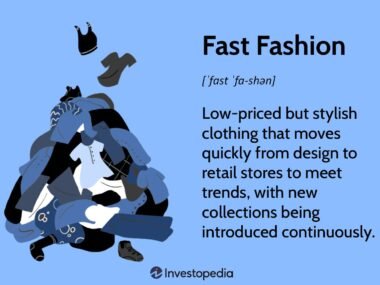
The fashion industry faces a harsh reality. Fast fashion has severe effects on our planet. Understanding these impacts is crucial.
Resource Depletion
Fast fashion consumes vast resources. The industry uses water, energy, and raw materials at alarming rates. Cotton, a key material, requires significant water. One cotton shirt needs about 2,700 liters. This drains our water supplies.
- Water use is excessive in fashion.
- Energy demand is high for production.
- Raw materials are used unsustainably.
Pollution And Waste
Clothing production pollutes our world. It releases toxins into the air and water. Dyes and treatments cause harm.
Waste is another issue. Millions of tons of clothes end up in landfills each year. They take years to decompose. This waste creates more pollution.
| Problem | Effect |
|---|---|
| Air Pollution | Toxins released into the atmosphere. |
| Water Pollution | Chemicals contaminate water sources. |
| Landfill Waste | Clothes pile up, taking years to break down. |
Sustainable Fashion Explained
Let’s dive into Sustainable Fashion Explained. This topic matters a lot today. Fashion that’s kind to Earth is the future. Why? It saves our planet and respects people making our clothes.
Materials And Processes
Sustainable fashion starts with how we make clothes. It uses materials that don’t harm the Earth. These materials come from places that care for the environment.
- Organic cotton: Grown without harmful chemicals.
- Recycled fabrics: Made from old clothes or plastic bottles.
- Bamboo: Needs less water and no pesticides.
It’s not just about the materials. It’s also how we make clothes. Sustainable fashion means using less water and energy. It means not polluting the air and water.
Ethical Production
How we make clothes matters too. Ethical production respects everyone in the process. It ensures workers get fair pay and work in safe conditions.
| Aspect | Details |
|---|---|
| Worker Rights | Safe work, fair pay, reasonable hours. |
| Child Labor | Strictly no child labor. |
| Environment | Care for the environment at every step. |
Choosing clothes made this way makes a big difference. It shows we care about the Earth and people.
Economic Benefits Of Going Green
The shift towards sustainable fashion is not just good for the planet. It also offers significant economic benefits. Embracing eco-friendly practices can lead to cost savings and prove to be valuable long-term investments for businesses and consumers alike. Let’s explore how going green can be financially rewarding.
Cost Savings
Adopting sustainable fashion practices leads to immediate cost savings. This is true for both producers and consumers. Sustainable materials often require less water and energy to produce. This reduces utility bills and production costs.
- Lower energy bills from efficient production methods.
- Reduced water usage lowers overall expenses.
- Materials like organic cotton are cost-effective in the long run.
Long-term Investments
Sustainable fashion represents a long-term investment. For businesses, it enhances brand reputation and customer loyalty. For consumers, eco-friendly clothes often last longer, saving money over time.
- Brands gain a competitive edge with green credentials.
- Eco-friendly products have a longer lifespan, reducing the need for frequent replacements.
- Investing in sustainability drives innovation, opening new market opportunities.
Consumer Shift: Mindfulness In Purchasing
Consumer Shift: Mindfulness in Purchasing is a key trend in sustainable fashion. People now think more about what they buy. They choose clothes that are kind to the planet. This change is big for our future.
Awareness And Education
People learn about fashion’s impact. They find out how clothes are made. This knowledge helps them make better choices. They look for eco-friendly tags. They support brands that care for the earth.
- Eco-friendly materials: Buyers pick these for less harm.
- Brand missions: Shoppers support green goals.
- Product lifespan: Long-lasting items are in demand.
Changing Shopping Habits
Shoppers now buy less. They choose quality over quantity. They love second-hand shops. These habits reduce waste. They also save money and resources.
| Old Habit | New Habit | Impact |
|---|---|---|
| Buying new | Choosing used | Less waste |
| Many purchases | Fewer, better items | Saves resources |
| Ignoring materials | Seeking sustainable | Protects the planet |
Challenges Facing Sustainable Fashion
Embracing sustainable fashion comes with its own set of challenges. The road to a greener wardrobe isn’t straightforward. Barriers at every corner make it tough for both brands and consumers. Let’s explore some hurdles sustainable fashion faces today.
Market Accessibility
One major hurdle is how easy it is to find sustainable fashion. Many brands exist, but they’re often hard to find or buy. This is due to limited distribution and higher costs. Customers may struggle to locate these eco-friendly options in mainstream markets. Online platforms are improving this but slowly.
- High costs deter buyers
- Few stores carry sustainable lines
- Online shopping helps but needs work
Perceived Value
Another challenge is how people see sustainable fashion. Many view it as expensive with no extra benefit. They don’t see the hidden costs of cheap, fast fashion. Sustainable fashion often uses better materials and fair labor. This means higher prices but also longer-lasting clothes.
- Eco-friendly costs more upfront
- Quality justifies the price
- Education on value is key
Changing perceptions is vital. It helps people understand why paying more makes sense. It’s not just about clothes. It’s about the planet and its people too.
Innovations In Sustainable Fashion
The fashion world is buzzing with innovations in sustainable fashion. Designers and brands are creating new ways to make clothes that are kinder to the planet. Let’s dive into the exciting changes happening now!
Technological Advances
Technology is changing fashion for the better. It helps create eco-friendly fabrics and designs. This means less waste and pollution.
- 3D printing cuts down on fabric scraps.
- Digital sampling reduces the need for physical prototypes.
- Apps help track a garment’s carbon footprint.
Revolutionizing Materials
New materials are at the heart of sustainable fashion. They come from surprising places but are good for the Earth.
| Material | Source | Benefits |
|---|---|---|
| Pinatex | Pineapple leaves | Biodegradable and leather alternative |
| Mycelium leather | Mushroom roots | Renewable and animal-friendly |
| Recycled polyester | Plastic bottles | Reduces plastic waste |
These materials show that fashion can be both stylish and sustainable.
The Future Of Fashion
The fashion industry stands at a pivotal crossroad. The path it chooses will shape our planet’s health and resources. Sustainable fashion is not just a trend. It’s a necessary shift in how we create and consume our clothes. The Future of Fashion hinges on sustainable practices that balance style with environmental responsibility.
Policy And Regulation
Strong policies can steer the industry towards sustainability. Governments worldwide are crafting regulations to reduce waste. These include restrictions on harmful substances and incentives for using eco-friendly materials. Brands must adapt to these changes or face penalties.
- Material Restrictions: Laws limit the use of certain fabrics due to their environmental impact.
- Waste Reduction: Regulations encourage recycling and penalize excessive waste in production.
- Eco-Incentives: Tax cuts and grants support sustainable practices.
The Role Of Designers And Brands
Designers and brands play a crucial role in pushing sustainable fashion forward. They innovate with eco-friendly materials. They also embrace ethical production methods. This shift ensures a healthier industry for all.
| Area of Influence | Designer Actions | Brand Actions |
|---|---|---|
| Materials | Use organic, recycled fabrics. | Source sustainably. |
| Production | Design for longevity. | Implement ethical labor practices. |
| Waste Management | Create zero-waste patterns. | Recycle unsold inventory. |

Credit: www.narahsoleigh.com
Why Is It Important to Be Sustainable in Fashion?
Sustainability in fashion is critical for reducing environmental damage and promoting ethical practices. Why is sustainable fashion important? The fashion industry is a major polluter. It uses too much water and creates textile waste.
By prioritizing sustainability in fashion, we can reduce harm to the planet and encourage responsible consumption. Ethical production also ensures better working conditions and fair wages for laborers.
What Is Sustainable Fashion and Why Is It Important?
What is sustainable fashion? It refers to clothing made using eco-friendly materials and ethical labor practices. Sustainable fashion values quality and durability. It aims to reduce fast fashion’s throwaway culture.
Why is sustainability in fashion important? It ensures responsible use of resources like water, energy, and raw materials. This protects the environment and promotes the industry’s long-term viability.
Is Sustainable Fashion the Future?
As consumer awareness grows, is sustainable fashion the future? The answer is yes. Shoppers are increasingly choosing sustainable garments to reduce their carbon footprint. Many brands are now adopting innovative technologies and materials to meet these demands.
Governments are also emphasizing why sustainability is important in fashion, creating policies to minimize the fashion industry’s environmental impact.
Why Is Sustainable Fashion Better Than Fast Fashion?
Why is sustainable fashion better than fast fashion? Unlike fast fashion, which promotes disposable clothing, sustainable fashion prioritizes quality and longevity. What makes clothing sustainable?
Fabrics like organic cotton and recycled polyester are used to reduce waste and pollution. Sustainable fashion also supports fair wages and safer working environments, making it an ethical and environmentally conscious choice.
Why Is Sustainability Important in the Fashion Industry?
The fashion industry has a significant impact on the planet, which is why sustainability in fashion is important. By producing sustainable garments, brands can limit pollution, waste, and exploitation. Why is sustainability important in the fashion industry?
It’s vital to creating a balance between consumer demand and environmental preservation. Adopting sustainable clothing practices helps protect ecosystems and promotes social responsibility.
What Are Sustainable Clothes?
What are sustainable clothes? These are garments made with minimal environmental and social impact. Sustainable clothes use materials like organic fabrics, recycled fibers, and biodegradable textiles.
They are also designed to last longer, encouraging mindful consumption. By wearing sustainable garments, consumers reduce waste and support ethical practices in the fashion industry.
Why Is Sustainability Important in Fashion?
Sustainability in fashion is essential for addressing the industry’s excessive resource use and waste production. Why is sustainable fashion so important? It reduces greenhouse gas emissions, prevents water contamination, and promotes ethical labor practices.
Why is sustainability important in the fashion industry? By focusing on responsible production, brands ensure a healthier planet and fair treatment for workers, creating a positive ripple effect throughout the supply chain.
What Makes Clothing Sustainable?
What makes clothing sustainable? Eco-friendly production methods and materials are key. Fabrics like bamboo, hemp, and organic cotton are less harmful to the environment, while recycled polyester reduces waste.
Sustainable clothing avoids harmful dyes and incorporates renewable energy during manufacturing. These practices align with the principles of fashion sustainability, creating a system that benefits people and the planet.
What Is Sustainable Fashion and Why Is It Important?
What is sustainable fashion? It is a way to design, make, and use clothes. It aims to cut environmental harm and promote ethics. Sustainable fashion aims for long-lasting clothes with minimal waste.
It uses eco-friendly materials like organic cotton and recycled fibers. Understanding what is sustainability fashion is essential to adopting mindful consumption habits that prioritize quality over quantity.
What Is Sustainability in Fashion?
What is sustainability in fashion? It means using eco-friendly practices at every stage of fashion. This includes raw material sourcing, manufacturing, distribution, and disposal. What is fashion sustainability? Fashion sustainability is a movement.
It seeks to balance fashion’s economic benefits with its environmental duties. Sustainability in fashion makes the industry fairer and greener. It does this by reducing pollution, conserving resources, and promoting ethical labor practices.
The Importance of Fashion Sustainability
Understanding what fashion sustainability is helps consumers make informed choices about their purchases. Adopting sustainability in fashion practices reduces environmental harm while promoting ethical production.
By choosing sustainable garments, individuals contribute to a system that values people and the planet, ensuring a better future for all.
Conclusion: The Importance of Sustainability in Fashion
Why is sustainability in fashion important? It’s not just about reducing environmental harm; it’s about fostering a culture of accountability and innovation. Understanding what is sustainable clothing and supporting sustainable garments empowers consumers to make better choices.
Whether it’s buying long-lasting items or embracing ethical brands, every step toward sustainability in fashion contributes to a greener and more equitable future.
Frequently Asked Questions of Why Sustainable Fashion Is Important?
What Is Sustainable Fashion?
Sustainable fashion refers to clothing that is designed, manufactured, distributed, and used in ways that are environmentally friendly and ethically conscious. It prioritizes the longevity of garments, responsible production, and minimal ecological impact.
Why Should We Choose Sustainable Fashion?
Choosing sustainable fashion helps reduce the industry’s carbon footprint, conserves natural resources, and supports fair labor practices. It promotes a healthier environment and better working conditions for garment workers.
How Does Sustainable Fashion Combat Pollution?
Sustainable fashion combats pollution by using eco-friendly materials, reducing waste in production, and encouraging recycling and upcycling of clothes. This leads to a significant decrease in the pollutants released into the environment.
Can Sustainable Fashion Be Stylish?
Yes, sustainable fashion can be stylish. Designers are increasingly creating trendy and fashionable pieces using sustainable materials and practices, proving that ethics and aesthetics can coexist.
Conclusion of Why Sustainable Fashion Is Important?
Embracing sustainable fashion is more than a trend; it’s a commitment to the planet and future generations. By choosing eco-friendly apparel, we reduce waste, save resources, and support ethical practices. Let’s make a conscious choice to wear change and inspire a greener wardrobe revolution.
Join the movement towards a sustainable future, one outfit at a time.

 Adhorika Khan