 Adhorika Khan
Retinol vs retinal comes down to one conversion step: your skin must convert both into retinoic acid to get results, and retinal (retinaldehyde) is one step closer — making it noticeably stronger and often faster than retinol, at a similar irritation level and a higher price. Beginners do beautifully on retinol; impatient or experienced skin often upgrades to retinal. Here’s the full comparison.
Key Takeaways
- Both are vitamin-A retinoids that smooth lines, clear pores and boost collagen.
- Retinal is one conversion step stronger — faster results than retinol.
- Irritation is comparable, often gentler than the strength suggests.
- Retinol = the affordable classic; retinal = the efficient upgrade.
- Either works — consistency and sunscreen matter more than the letter at the end.
What are retinol and retinal?
Both are over-the-counter members of the retinoid family — vitamin-A derivatives with the best anti-aging and pore-clearing evidence in skincare.
Retinol is the famous one, in thousands of products. Retinal (short for retinaldehyde) is its lesser-known, more potent sibling.
They do the same jobs; they differ in how directly they do them.
The video below from dermatologist Dr. Daniel Sugai explains both and how to fit them into a routine.
The conversion ladder: why “one step” matters
Here’s the key concept in this whole comparison.
Skin can only use retinoids as retinoic acid. Retinol must convert twice: retinol → retinal → retinoic acid. Retinal converts once: retinal → retinoic acid.
Each conversion loses potency, so the fewer steps, the stronger and faster the effect. Prescription tretinoin IS retinoic acid — zero steps — which is why it’s strongest of all.
What do both actually do for your skin?
The shared benefits list is why retinoids are famous.
- Smooth fine lines and improve skin texture.
- Boost collagen production over months.
- Speed cell turnover, keeping pores clear.
- Fade dark marks and even skin tone.
- Improve breakouts and blackheads/whiteheads.
Deep dive in our complete retinol guide — everything there applies to retinal too.
Is retinal really stronger than retinol?
Yes — meaningfully.
Research on retinaldehyde suggests it works up to several times faster than retinol at comparable concentrations, thanks to that single conversion step.
In practice, users typically report seeing changes in texture and tone weeks earlier with retinal.
Which irritates skin more?
Here’s the pleasant surprise: retinal doesn’t punish you for its extra strength.
Despite being more potent, retinaldehyde is generally reported to be as well-tolerated as retinol — sometimes better — making its strength-to-irritation ratio excellent.
Individual skin varies, of course: any retinoid can cause dryness, flaking and purging while skin adapts.
Retinol vs retinal at a glance
The quick table version.
| Factor | Retinol | Retinal |
|---|---|---|
| Conversions to retinoic acid | 2 | 1 |
| Speed of results | Slower (8–12+ wks) | Faster (often 4–8 wks) |
| Irritation | Low–moderate | Comparable |
| Price | Budget-friendly | Higher |
| Product choice | Huge | Growing |
| Stability | Fussy (light/air) | Fussier — packaging matters |
Who should choose retinol?
Retinol remains a superb default.
- Complete beginners — gentle entry, low cost, endless product options.
- Budget-focused routines — excellent formulas at drugstore prices.
- Sensitive skin starting cautiously at low strengths.
- Anyone happy with their progress — if it’s working, keep going.
See our picks for the best retinol creams for beginners.
Who should upgrade to retinal?
Retinal earns its price in specific situations.
- Retinol plateau: months in, results stalled.
- Impatience with purpose: you want visible change sooner.
- Pre-tretinoin step: building tolerance toward prescription strength.
- Breakout-prone skin: retinal also has mild antibacterial properties — a nice bonus.
What strengths should you look for?
The numbers differ between the two — don’t compare them directly.
Retinol: 0.1–0.3% is a solid start; 0.5–1% is advanced territory.
Retinal: concentrations run lower because it’s stronger — 0.03–0.05% starts, 0.1% is potent. A 0.05% retinal is NOT weaker than a 0.3% retinol.
How to start any retinoid (the golden rules)
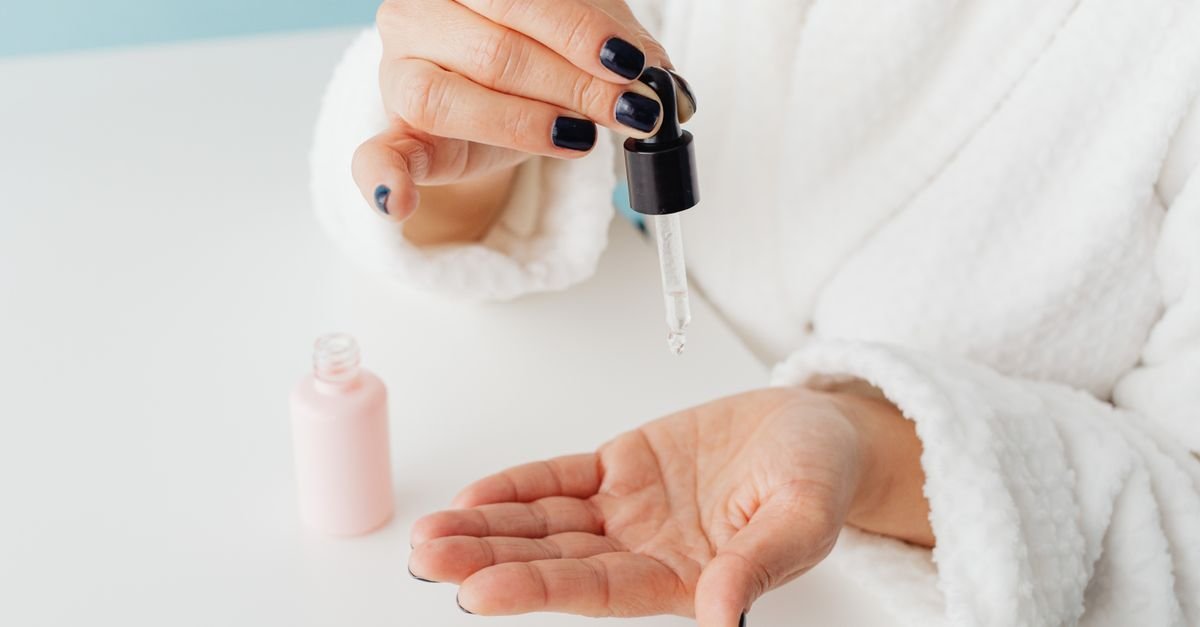
- Start low, two nights a week, pea-sized amount for the whole face.
- Buffer if needed: moisturizer first, retinoid on top.
- Build slowly to every other night, then nightly if tolerated.
- Sunscreen every morning — non-negotiable.
- Expect an adjustment period of dryness or purging for a few weeks.
Where it sits among your other steps: our skincare order guide.
How to switch from retinol to retinal safely
Upgrading is easy if you don’t rush it.
Finish your current routine’s rhythm, then swap in retinal at a starter strength on the same schedule you already tolerate — don’t jump to nightly on day one just because your skin knew retinol.
Expect a brief re-adjustment; it usually passes within two weeks.
Can you use both together?
There’s no benefit to layering them.
They’re the same pathway at different steps — using both is just extra irritation risk without extra reward.
Pick one per routine. If you own both, alternate bottles until one is finished.
Retinoids and your other actives
The pairing rules are identical for retinol and retinal.
Vitamin C lives in the morning, retinoid at night. Exfoliating acids alternate nights with your retinoid — see AHA vs BHA. Niacinamide and hyaluronic acid pair happily with either, any time.
The one absolute: daily sunscreen, since all retinoids increase sun sensitivity.
What about retinyl esters and tretinoin?
Meet the rest of the ladder.
Retinyl esters (retinyl palmitate etc.) sit below retinol — three conversions, very gentle, very slow. Tretinoin is prescription retinoic acid — zero conversions, strongest results, most irritation, doctor-supervised.
Retinol and retinal occupy the effective middle — strong enough to matter, gentle enough for home use.
Packaging and stability: why it matters extra here
Retinoids are divas about light and air — retinal especially.
Buy opaque, airless-pump or aluminum-tube packaging; skip anything in a clear jar, which degrades before you finish it.
Store cool and dark, close lids tightly, and use within the period-after-opening on the label.
What is “purging” and how long does it last?
A heads-up so you don’t panic-quit.
Retinoids speed cell turnover, which can push brewing clogs to the surface faster — a temporary wave of small breakouts in your usual spots during the first 2–6 weeks.
Purging fades as skin adapts. New, painful breakouts in unusual places are irritation instead — slow down if you see those.
Pregnancy note
One important safety exception.
Retinoids of all kinds — including retinol and retinal — are generally advised against during pregnancy and breastfeeding.
Ask your doctor about safe alternatives like azelaic acid; this article is general information, not medical advice.
Choosing a good product
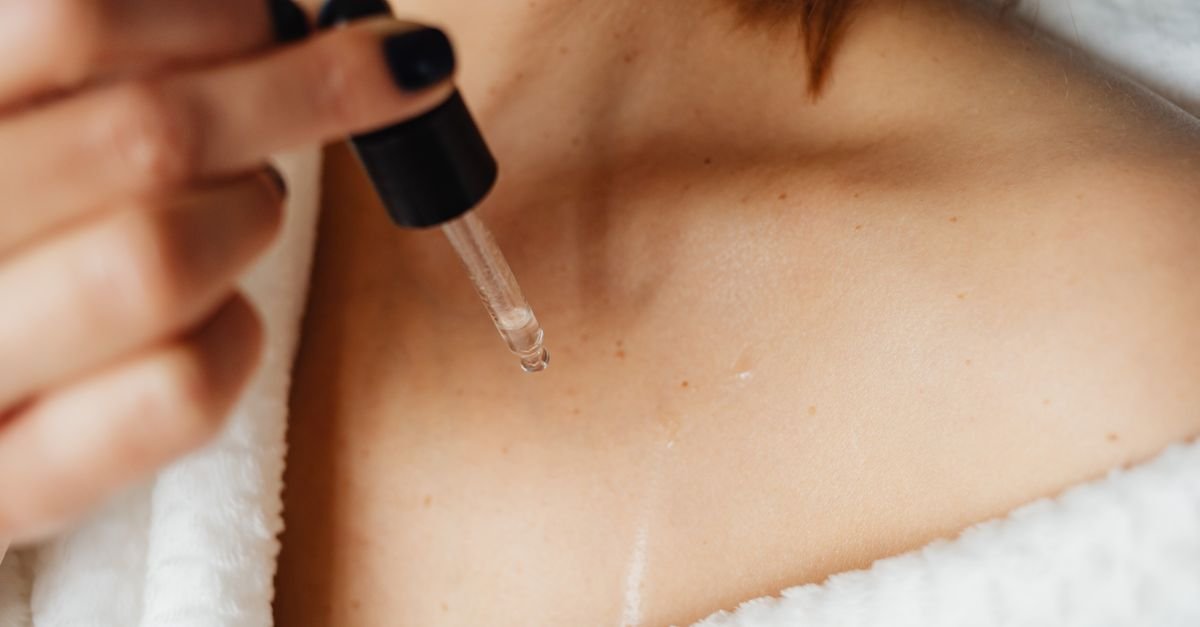
Whichever you pick, look for the same markers of quality.
A stated concentration, stabilizing packaging, supportive ingredients (niacinamide, ceramides, soothing agents), and a formula matched to your skin type.
Browse retinal serums on Amazon, or see our best retinol serums roundup.
Common retinoid mistakes to avoid
- Starting nightly at high strength — the classic wrecked-barrier opener.
- Skipping sunscreen — undoes the collagen work and risks marks.
- Layering with strong acids nightly while adjusting.
- Comparing percentages across types — 0.05% retinal ≠ weak.
- Quitting during the purge — right before it turns the corner.
- Clear-jar bargains — degraded retinoid is expensive water.
If irritation wins: the reset plan
Overdid it? Recover first, retry second.
Stop the retinoid, simplify to gentle cleanser + moisturizer + SPF for one to two weeks, and let the flaking settle.
Then restart at a lower frequency with buffering. Our guide to repairing a damaged skin barrier covers the rescue routine.
When to see a dermatologist
Sometimes the right retinoid is a prescription.
For stubborn acne, significant sun damage, or when OTC progress stalls after months of consistency, tretinoin or other prescription options may serve you better — with professional guidance on managing the strength.
Consult a professional for persistent skin concerns.
What is encapsulated retinal?
Formulation tech is closing the irritation gap further.
Encapsulated versions wrap the retinoid in a delivery system that releases it gradually — steadier results, gentler landing, better shelf stability.
On labels, look for “encapsulated” or “time-release”; they’re especially worth it for sensitive skin trying retinal’s strength.
The sandwich method for sensitive starts
The gentlest on-ramp known to skincare.
Moisturizer first, retinoid on top, moisturizer again — the “sandwich” slows penetration just enough to tame irritation while keeping most of the benefit.
Perfect for the first month; most skins graduate to direct application once tolerance builds.
A realistic results timeline
Mark your calendar honestly.
Weeks 1–4: adjustment — possible dryness or purging, little visible change. Weeks 4–8: smoother texture, early glow (retinal often arrives here first). Months 3–6: fine lines soften, tone evens. Beyond: the compounding collagen years.
The people who rave about retinoids are the ones who stayed past week six.
Retinal’s quiet bonus: breakout-prone skin
One under-mentioned advantage.
Retinaldehyde has mild antibacterial properties alongside its turnover benefits — a helpful two-for-one for adult skin juggling both aging and breakouts.
It’s part of why derms increasingly steer combination-concern patients toward retinal.
Myth-busting: “retinoids thin your skin”
The persistent myth, retired.
Retinoids thin only the dead outermost layer (that’s the smoothing) while thickening the living dermis beneath by building collagen — the opposite of fragile skin.
The confusion comes from the adjustment-phase flaking. Push through properly and skin ends up more resilient, not less.
Can you use them around the eyes?
Carefully, yes — and it’s where lines show first.
Use a tiny amount up to the orbital bone (not the lid), or choose a dedicated retinal eye product formulated for that thinner skin.
Alternate nights there even when your face tolerates nightly; the payoff on crow’s feet is real but slower.
Summer, winter and retinoid seasons
You don’t have to quit for summer — just behave.
Retinoids don’t “attract” sunburn from the shelf; they thin the dead layer that offers minor protection. Daily SPF (already non-negotiable) covers it year-round.
Winter’s dryness is actually the harder season — buffer more, moisturize richer, and slow the frequency during harsh spells.
Cost per result: thinking like a formulator
Price the outcome, not the bottle.
A $15 retinol used nightly for a year beats a $70 retinal abandoned in month one. The best retinoid is the one your skin tolerates at a price you’ll repurchase.
Start affordable, upgrade with evidence — your own before/after photos are the only review that matters.
Quick chooser: your 30-second answer
Cut to the decision.
New to retinoids, tight budget, sensitive skin? → low-strength retinol (or encapsulated). Six months in, plateaued, want speed, or juggling breakouts + aging? → retinal at starter strength. Severe acne or major sun damage? → dermatologist conversation about prescription options.
Whichever door you pick, the house rules are identical: low, slow, moisturized, sunscreened.
One last word on consistency
Whichever retinoid wins your bathroom shelf, remember the quiet truth of this entire category.
Retinoids reward the boring: the same pea-sized amount, most nights, for months, behind daily sunscreen. Brand-hopping every six weeks resets the clock; steady use compounds it.
Choose once, commit for a season, photograph monthly — and let the mirror settle the retinol vs retinal debate for your own face.
Frequently Asked Questions
Is retinal better than retinol?
Retinal is stronger and typically faster because skin converts it to active retinoic acid in one step instead of retinol’s two — with comparable irritation. Whether it’s “better” depends on you: retinol is cheaper with more product choice, and both reach similar results with consistency.
What’s the difference between retinol and retinal?
One conversion step. Skin uses retinoids as retinoic acid; retinol converts twice to get there, retinal only once. That makes retinal more potent and faster-acting at a given concentration, while retinol remains the gentler-priced, widely available classic.
Can beginners start with retinal?
Yes — at a low concentration (around 0.03–0.05%), two nights a week, with buffering if needed. Many beginners still start with retinol for its price and product range, but a cautious retinal start is perfectly reasonable and gets results a little sooner.
Is retinal more irritating than retinol?
Generally no — despite its extra strength, retinaldehyde is reported to be about as well-tolerated as retinol, giving it an excellent strength-to-irritation ratio. Any retinoid can cause temporary dryness, flaking or purging while your skin adapts.
What percentage of retinal should I use?
Retinal concentrations run lower than retinol’s because it’s stronger: 0.03–0.05% is a sensible start, and 0.1% is potent, advanced territory. Don’t compare numbers across types — a 0.05% retinal is roughly comparable to a much higher retinol percentage.
Can I use retinol and retinal together?
There’s no benefit — they’re the same pathway at different steps, so layering only adds irritation risk. Choose one per routine, and if you own both, alternate bottles until one runs out rather than combining them in one night.
Which is better for anti-aging, retinol or retinal?
Both build collagen and smooth lines through the same mechanism. Retinal typically shows visible improvement sooner; retinol reaches similar territory with more patience. Daily sunscreen alongside either matters more for anti-aging than the choice between them.
The bottom line
Retinol and retinal are siblings on the same ladder — retinal just stands one rung closer to results.
Start with retinol if you’re new or budget-minded; choose retinal for speed or a plateau; treat either with low-and-slow respect and daily SPF.
Get the foundations right with our complete retinol guide and skincare order guide.

 Adhorika Khan