 Adhorika Khan
Sensitive skin with acne requires special care and gentle products. You need a skincare routine that soothes, not irritates.
Sensitive skin can make acne worse. Harsh products aggravate skin, leading to redness and more breakouts. Choosing the right skincare routine is essential. Mild cleansers, soothing moisturizers, and targeted treatments can help. Look for products free from fragrances and alcohol.
These ingredients irritate sensitive skin. Opt for gentle exfoliants like salicylic acid. They unclog pores without causing harm. Consistency is key. Stick to a routine that works for your skin type. Monitor changes and adjust as needed. Remember, less is often more with sensitive skin. Simple routines often yield the best results. Prioritize calming ingredients to maintain balance. Your skin will thank you for the extra care.





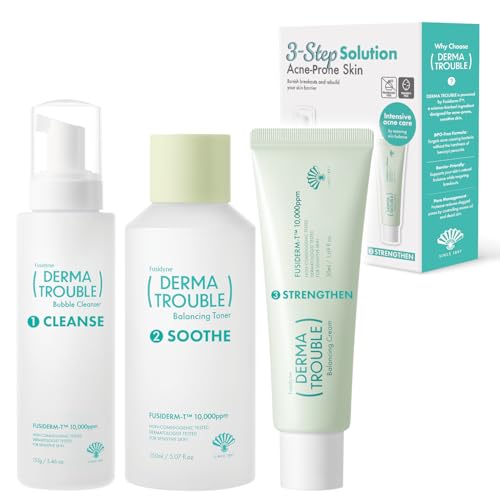


Buying Guide On Skincare Routine For Sensitive Skin With Acne
skincare routine for sensitive skin with acne
1. Understand your skin type
knowing your skin type is crucial. Sensitive skin reacts easily. Acne-prone skin needs gentle care. Choose products designed for both needs.
2. Choose a gentle cleanser
opt for a mild, sulfate-free cleanser. Avoid harsh chemicals. These can irritate sensitive skin. Cleanse twice daily for best results.
3. Exfoliate carefully
use a gentle exfoliant. Once a week is enough. This helps remove dead skin. Avoid physical scrubs. They might irritate your skin.
4. Hydrate with a lightweight moisturizer
select a non-comedogenic moisturizer. This prevents clogged pores. Look for calming ingredients. Chamomile or aloe vera are good choices.
5. Apply sunscreen daily
sunscreen protects your skin. Use spf 30 or higher. Pick a product for sensitive skin. Mineral sunscreens are often best.
6. Spot treatment for acne
use a targeted treatment on pimples. Salicylic acid or benzoyl peroxide works well. Apply only to affected areas. Do not overuse.
7. Avoid fragrances and dyes
fragrances can irritate sensitive skin. Check labels for dyes too. Choose fragrance-free products whenever possible.
8. Follow a consistent routine
stick to your routine. Consistency helps improve skin health. Avoid switching products often. Give time for results to show.
9. Consult a dermatologist
seek professional advice if needed. Dermatologists can provide tailored solutions. They help manage sensitive and acne-prone skin effectively.
Conclusion
Creating a skincare routine for sensitive skin with acne can feel challenging. But it doesn’t have to be. Start with gentle cleansers. They help remove dirt without irritating your skin. Moisturizers are essential too. They keep your skin hydrated and reduce redness.
Sunscreen is another must-have. It protects your skin from harmful uv rays. Exfoliating once a week can help too. It removes dead skin cells and prevents clogged pores. Remember to choose products designed for sensitive skin. Always test new products on a small patch first.
This helps avoid potential reactions. Be patient with your routine. Acne doesn’t disappear overnight. Consistency is key. And so is listening to your skin. If a product irritates, stop using it. Your skin’s health should always come first. Lastly, consider consulting a dermatologist.
They can provide guidance tailored to your needs. Small steps can lead to healthier, clearer skin.


 Adhorika Khan