 Adhorika Khan
Have you ever felt frustrated looking in the mirror, wishing for a fresh, natural look without the pain and long recovery time? Many people want to improve their appearance but fear the risks of surgery.
The good news is that minimally invasive aesthetic treatments can help you feel confident without the stress. Choosing the right treatment plan can make daily life easier and more enjoyable. It’s about finding options that suit your needs and lifestyle.
In this article, we explore trusted resources like *Comprehensive Aesthetic Rejuvenation* and *Artificial Intelligence in Plastic Surgery*. These guides offer valuable insights to help you make smart choices. Keep reading to discover how these plans can transform your approach to beauty and wellness. You’ll soon feel ready to pick the best options for you.
Comprehensive Aesthetic Rejuvenation
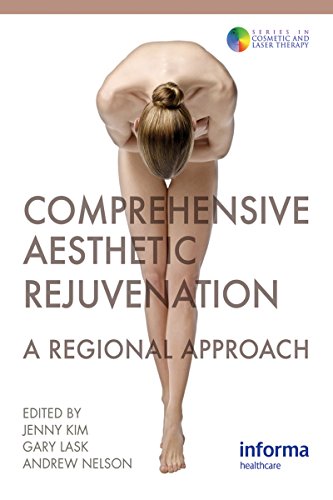
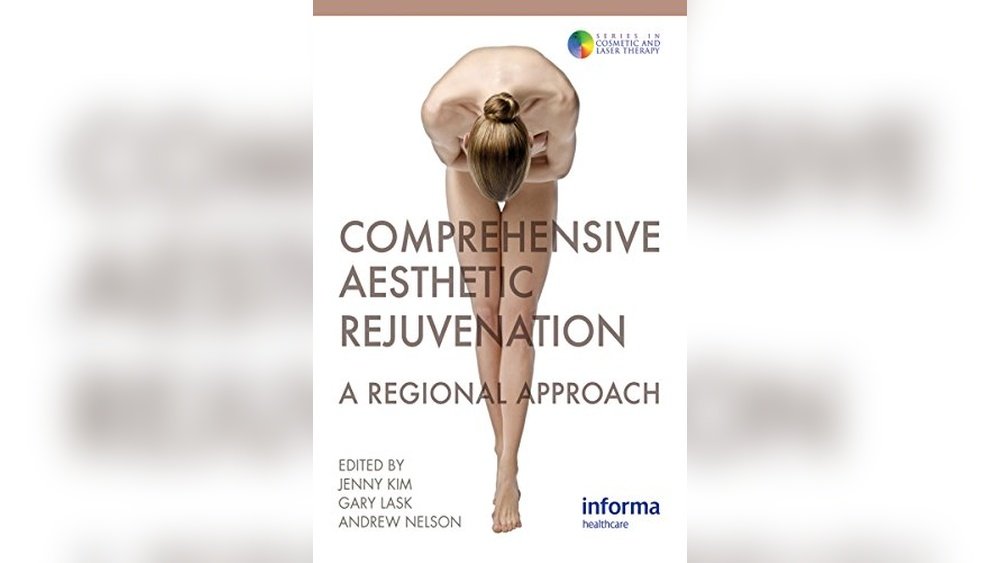
The book Comprehensive Aesthetic Rejuvenation: A Regional Approach is ideal for medical professionals, dermatologists, and cosmetic practitioners seeking an in-depth understanding of aesthetic rejuvenation techniques. It is especially suited for those who want a structured, regional perspective on cosmetic and laser therapy to enhance their clinical practice and patient outcomes.
Pros:
- Provides a detailed regional approach to aesthetic rejuvenation
- Authored by CRC Press, a reputable publisher in medical literature
- Concise with 186 pages, making it comprehensive yet manageable
- Includes the latest techniques up to its 2011 publication
- Well-structured content suitable for both beginners and experienced practitioners
Cons:
- Publication date (2011) may limit information on the latest advancements
- Focused primarily on regional approaches, which might not cover all global techniques
- Limited to one edition, with no updates or newer volumes available yet
This book offers a comprehensive guide to aesthetic rejuvenation by focusing on a regional methodology, which helps practitioners target specific areas of the face and body with precision. The structured approach enhances understanding of anatomy, treatment options, and procedural nuances, ensuring effective patient care. The compact size of 186 pages makes it accessible without overwhelming readers, while still delivering valuable insights into cosmetic and laser therapy.
Authored and published by CRC Press, the book carries credibility and is tailored for those looking to expand their expertise in cosmetic treatments. While the publication date means some newer technologies may not be covered, the foundational principles and techniques remain relevant for clinical practice. Overall, it serves as a practical resource for professionals aiming to refine their skills in aesthetic rejuvenation through a targeted, regional lens.
To buy this product, click here.
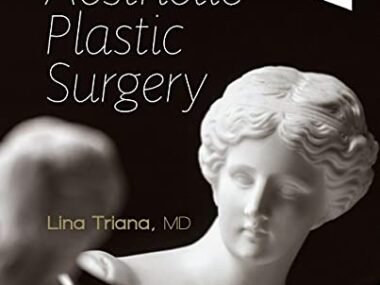
Artificial Intelligence In Plastic Surgery

The book Artificial Intelligence in Plastic Surgery is ideal for medical professionals, researchers, and students interested in the cutting-edge integration of AI technology within the field of plastic surgery. Those looking to understand how machine learning and advanced algorithms can improve surgical planning, patient outcomes, and procedural accuracy will find this resource invaluable. It is also suitable for healthcare innovators aiming to explore new tools that enhance clinical decision-making in cosmetic and reconstructive surgery.
Pros:
- Comprehensive coverage of AI applications specifically tailored to plastic surgery.
- Published by the reputable Springer with up-to-date insights expected by 2026.
- Concise length of 200 pages, making it an accessible yet thorough reference.
- Explores both theoretical and practical aspects of AI implementation.
Cons:
- Publication date in the future (2026), so immediate availability may be limited.
- May require prior knowledge of plastic surgery concepts to fully grasp advanced AI topics.
- Weight listed as 0.0 pounds, which may indicate an electronic format that some users prefer less than print.
This book delves into how artificial intelligence is revolutionizing the field of plastic surgery by enhancing diagnostic accuracy and personalizing treatment plans. Readers will discover the integration of AI-driven imaging and predictive analytics, which help surgeons anticipate surgical outcomes and tailor interventions with higher precision. The text also examines the role of AI in automating routine tasks, thereby increasing efficiency and reducing human error during complex procedures.
By focusing on practical applications, the book provides insights into how AI tools can improve patient safety and satisfaction through better preoperative assessments and postoperative care monitoring. Additionally, it discusses ethical considerations and future trends, preparing practitioners to adapt to the evolving landscape of technology-assisted surgery. Overall, this resource equips professionals with the knowledge to leverage AI advancements to transform plastic surgery practices.
To buy this product, click here.
Frequently Asked Questions
What Is Minimally Invasive Aesthetic Treatment?
Minimally invasive aesthetic treatment uses small techniques to improve appearance. It reduces recovery time and risk compared to surgery. Common methods include injectables, lasers, and microneedling. These treatments target specific facial regions for natural-looking rejuvenation.
How Does Regional Approach Improve Aesthetic Results?
A regional approach focuses on treating specific facial areas. It ensures balanced and harmonious results by addressing multiple zones. This method customizes treatment plans based on individual anatomy. It leads to more precise and effective rejuvenation outcomes.
What Role Does Ai Play In Plastic Surgery?
AI helps plastic surgeons with diagnosis, treatment planning, and outcome prediction. It enhances precision by analyzing patient data and images. AI improves safety by identifying risks early. It supports personalized and efficient aesthetic treatment strategies.
Are Minimally Invasive Treatments Suitable For All Skin Types?
Yes, minimally invasive treatments can be adapted for most skin types. Specialists evaluate skin condition before choosing the best method. Personalized plans ensure safe and effective results. This approach minimizes complications and optimizes skin rejuvenation.
How Long Is Recovery After Minimally Invasive Treatments?
Recovery time is usually short, often a few days to a week. Most patients resume normal activities quickly. Minimal swelling or bruising may occur but fades fast. This quick recovery is a key benefit of minimally invasive procedures.
Conclusion
Minimally invasive aesthetic treatments offer effective ways to refresh your look with less risk and downtime. These plans focus on specific areas, making improvements natural and subtle. Using new technology and careful planning, doctors can tailor treatments to your needs.
This approach helps you feel confident without major surgery. It also means faster recovery and fewer side effects. With options growing, many people find it easier to start their aesthetic journey. Choosing the right treatment plan is key to good results.
Trust professionals who understand both the art and science of these therapies. Small changes can lead to big boosts in self-esteem. Remember, the goal is to enhance your natural beauty in a safe and gentle way. Minimally invasive treatments open many doors to looking and feeling your best.

 Adhorika Khan