Adhorika Khan
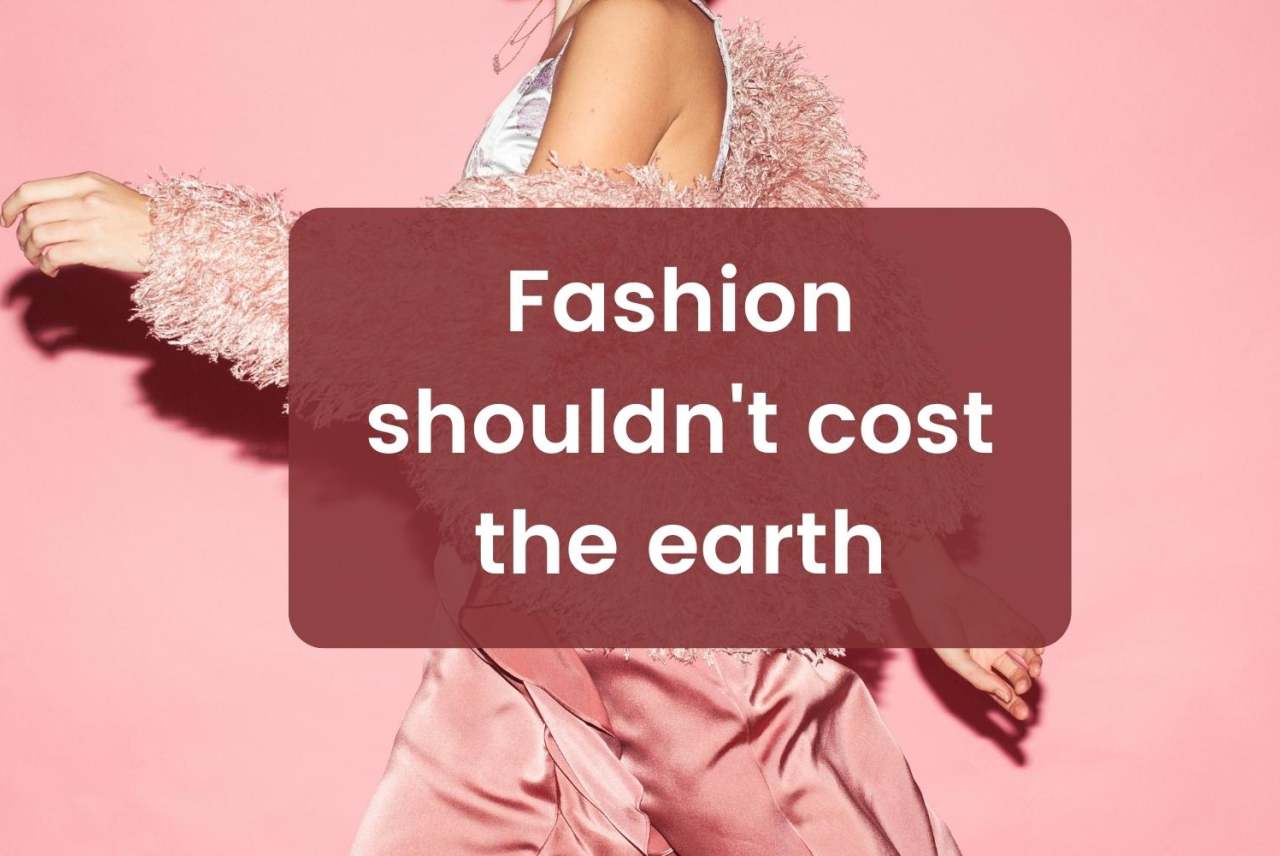
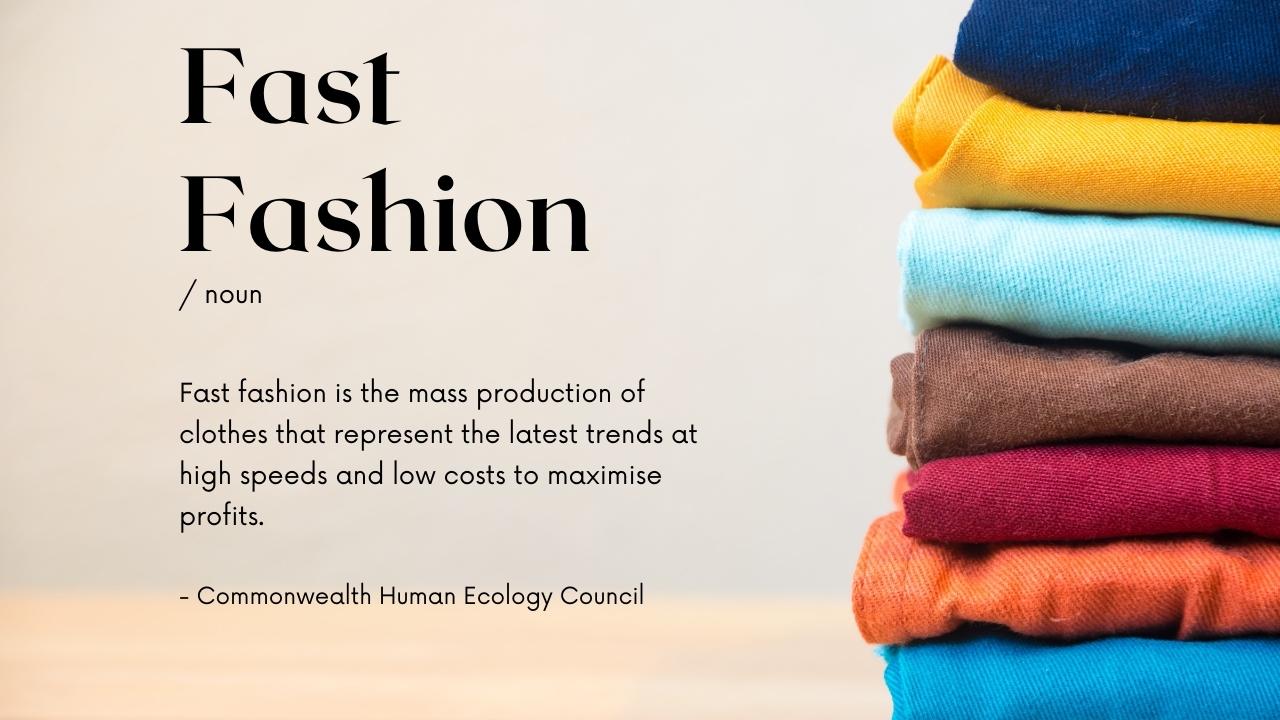
What is Fast Fashion? Fast fashion refers to inexpensive, trendy clothing that moves quickly from design to retail stores. It capitalizes on the latest styles, often at the expense of quality.
The rise of fast fashion has transformed the apparel industry, emphasizing speed and affordability to meet consumer demand for the newest trends. This business model thrives on short production cycles, enabling retailers to frequently update their inventory with fresh designs.
Despite its appeal to fashion enthusiasts, fast fashion poses significant environmental challenges, including waste and pollution, and often raises ethical concerns about labor practices.
With consumers becoming more conscious of these issues, the industry faces growing pressure to adopt sustainable practices. Fast fashion’s allure remains strong, yet its future may hinge on balancing consumer desires with responsible production.
Credit: www.ethicalconsumer.org
The Rise of Fast Fashion
Fashion trends used to change with the seasons. Not anymore. Today’s industry moves at lightning speed. This phenomenon is known as fast fashion. It’s all about making trendy clothes quickly and cheaply.
Emergence In The Fashion Industry
The term fast fashion became common in the late 20th century. Retailers began to adopt a quick response strategy. They started to launch new styles in weeks, not months. This shift changed how people shop for clothes.
- Speedy design-to-shelf process
- Affordable pricing
- Frequent collection updates
- Mass production techniques
Key Players And Brands
Some brands stand out in the fast fashion game. They lead the pack with their business models.
| Brand | Origin | Established |
|---|---|---|
| Zara | Spain | 1974 |
| HM | Sweden | 1947 |
| Forever 21 | USA | 1984 |
| UNIQLO | Japan | 1949 |
Defining Fast Fashion
Fast fashion is a modern retail approach. It delivers trendy clothes quickly. This system keeps up with changing fashion trends. It offers affordable styles to the consumer. This approach allows brands to produce new products frequently.
Characteristics Of Rapid Production
Fast fashion thrives on speed. It turns designs into garments rapidly. This speed brings new trends to stores often. Brands release new items weekly. This differs from traditional fashion calendars.
- Quick design process: From sketch to store in weeks.
- Streamlined manufacturing: Efficient systems make clothes fast.
- Frequent collections: New styles appear regularly.
Price Point And Accessibility
Fast fashion is known for affordability. It allows more people to buy trendy clothes. Low prices make fashion accessible to many. This affordability comes from cost-cutting in production. It often results in lower quality garments.
| Aspect | Details |
|---|---|
| Price | Low, appealing to a broad audience. |
| Quality | Varies, often lower to keep costs down. |
| Availability | High, easy to find in stores and online. |
Trendsetting And Consumer Behavior
In the world of fashion, trends change faster than the seasons. Fast fashion has reshaped how we shop and dress. It’s all about keeping up with the latest styles. But what drives this rapid cycle of fashion? Let’s dive into Trendsetting and Consumer Behavior.
Influence On Buying Habits
Fast fashion brands have mastered the art of influencing our shopping habits. They launch new trends at lightning speed. This creates a sense of urgency among consumers. Suddenly, everyone feels the need to update their wardrobe constantly. This behavior is not by accident. Brands use clever marketing to make us crave the newest items.
- Social media floods us with images of influencers wearing the latest trends.
- Advertisements promise us happiness with every purchase.
- Stores arrange eye-catching displays that make new clothes hard to resist.
Creating The Need For Speed
The fast fashion industry thrives on making us want more, faster. This need for speed changes how we view clothes. No longer are they long-term investments. Now, clothes are disposable items we replace frequently. This shift has significant effects:
| Before Fast Fashion | After Fast Fashion |
|---|---|
| Seasonal wardrobe updates | Constant wardrobe changes |
| Buying for quality | Buying for trendiness |
| Long-lasting clothes | Disposable fashion items |
This rapid consumption cycle pressures us to shop more and think less. It’s a cycle that benefits brands but harms our wallets and the planet.
Credit: www.oceanlifeeducation.com.au
Environmental Footprint
The Environmental Footprint of fast fashion is huge. It affects our planet in many bad ways. Let’s learn how.
Resource Consumption
Fast fashion uses a lot of resources. This includes water and energy.
- Water: Making one cotton shirt needs about 2,700 liters of water. That’s a lot!
- Energy: Fast fashion also uses lots of energy. This comes from burning fossil fuels.
This high use of water and energy is not good for Earth.
Waste Generation And Pollution
Fast fashion creates lots of waste and pollution. Here’s how:
- Waste: People throw away clothes more now. In the USA, each person throws away about 37kg of clothes every year.
- Pollution: Making and dying clothes puts harmful chemicals into our water and air. This is bad for animals, plants, and people.
Reducing fast fashion can help our planet be healthier.
Social And Ethical Concerns
The fashion industry faces growing scrutiny over its social and ethical practices. Fast fashion highlights these concerns. It raises questions about the impact on workers and the environment. Let’s delve into the key issues.
Labor Conditions
Fast fashion relies on rapid production to keep up with trends. This often leads to poor labor conditions. Workers face long hours, low pay, and unsafe environments. Many are in developing countries with weak labor laws.
- Excessive working hours with little rest
- Unsafe factories that risk workers’ health
- Minimal wages that do not support basic needs
Child labor is another pressing issue. Brands may indirectly employ children. This happens through complex supply chains.
The True Cost Of Cheap Clothing
Cheap clothing comes with hidden costs. These costs affect both people and the planet.
| Cost Type | Impact |
|---|---|
| Environmental | Waste, pollution, and resource depletion |
| Human | Worker exploitation and health hazards |
Consumers often overlook these costs. They are not visible in the price tag. But they are real and widespread.
Fast fashion’s low prices can be tempting. But they may support unfair practices. Buyers are starting to choose ethically made clothing. This change supports better standards for workers and the planet.
The Lifecycle Of Fast Fashion Products
The Lifecycle of Fast Fashion Products starts with a spark of trend. Brands create clothes quickly. They sell them cheap. This cycle causes problems for our planet.
From Design To Landfill
Fashion trends change fast. Designers copy styles from runways and celebrities. Factories make these designs in weeks. Clothes hit stores quickly.
People buy these trendy clothes. But fashions change. Clothes go out of style. Many end up in landfills within a year.
Durability And Quality Issues
Fast fashion uses cheap materials. These materials often break or tear easily. Clothes might shrink, fade, or lose shape after a few washes.
Low-quality fast fashion items are not made to last. People throw them away after a short time. This cycle creates more waste.
- Design: Trends set, designs copied
- Production: Cheap materials, quick making
- Sales: Low prices, high volume
- Usage: Brief wear, quick disposal
- Disposal: Landfills grow with waste
| Stage | Detail |
|---|---|
| Design | Quick turnaround from trend to product |
| Production | Use of non-durable, cheap materials |
| Sales | Mass production and competitive pricing |
| Usage | Short-lived due to fashion shifts |
| Disposal | High waste contribution to landfills |
Countermovements And Sustainable Alternatives
In the realm of fashion, voices echo for change. They challenge fast fashion’s impact. They promote sustainability. People now seek alternatives. They embrace movements like ‘slow fashion.’ They support eco-friendly brands. Together, these actions shape a greener future in apparel.
Slow Fashion Movement
Slow fashion counters fast fashion’s pace. It values quality over quantity. It encourages longer garment lifespans. Consumers and designers focus on ethics. They prioritize eco-materials. They choose timeless over trendy. This movement champions mindful consumption. It reduces waste.
Eco-friendly Brands And Initiatives
Many brands now lead with eco-conscious practices. They use sustainable materials. They ensure ethical labor. They minimize carbon footprints. These brands innovate with recycling. They create biodegradable clothing. Their initiatives often include:
- Zero-waste production methods
- Water-saving dye technologies
- Upcycling old garments
- Renewable energy in manufacturing
Consumers support these brands. They seek the ‘eco-friendly’ label. They make informed choices. They favor brands with green policies. This shift impacts the industry. It leads to more sustainable fashion trends.

Credit: www.checinternational.org
Shaping The Future Of Fashion
Fast fashion has redefined the clothing industry. It has brought trendy styles to stores at lightning speed. Yet, it raises concerns over environmental impact. The future of fashion hinges on sustainability and ethical practices. This shift is vital for our planet.
Consumer’s Role In Change
Shoppers hold power in the fashion market. Their choices influence brands. A move towards eco-friendly products sends a clear message. Companies notice and adapt. Buying less but choosing well is key. It reduces waste and supports ethical brands. Consumers can demand change and make a difference.
Industry’s Shift Toward Sustainability
The fashion industry is noticing the shift. Many brands now focus on green practices. They use sustainable materials and reduce carbon footprints. Some even recycle fabrics.
These steps lead to a cleaner planet. The industry’s move towards sustainability is crucial. It shapes a better future for fashion.
What Is Fast Fashion and Why Is It Bad?
What is fast fashion? It refers to the quick production of inexpensive clothing that mimics runway styles. While it makes trends accessible, why is fast fashion bad for the environment? Its heavy reliance on water, energy, and synthetic materials leads to pollution and waste.
Fast fashion also encourages overconsumption, creating a cycle of buy, wear, and discard.
What Qualifies as Fast Fashion?
What qualifies as fast fashion? Brands that produce large volumes of trendy clothing at low prices fall under this category. What is considered fast fashion? It’s identified by short production cycles, low-cost materials, and frequent new collections.
Companies like Zara, often asked, Is Zara fast fashion?, embody this model through their fast turnaround and affordable designs.
Why Is Fast Fashion Bad?
Why is fast fashion bad? It has detrimental effects on both the environment and workers. Why fast fashion is bad for the environment? The production process emits high levels of greenhouse gases and generates textile waste.
Also, many fast fashion brands exploit cheap labor. They pay poor wages and provide unsafe working conditions. This makes it unsustainable, both socially and environmentally.
When Did Fast Fashion Start?
When did fast fashion start? The concept emerged during the late 20th century as brands like Zara revolutionized the industry. When was fast fashion invented? It began as a response to the demand for affordable, trendy clothing.
By the 1990s, when did fast fashion take off, global supply chains enabled retailers to produce quickly and cost-effectively. When did fast fashion begin? It became prominent with the advent of globalization.
What Is Fast Fashion Definition?
What is fast fashion definition? It’s the rapid production of trendy, affordable clothing, often at the expense of quality. What is fast fashion and why is it bad? It democratizes fashion. But it harms the environment and society.
It causes water pollution, waste, and unethical labor. Consumers must weigh its affordability against its impact.
Why Is Fast Fashion Good?
Supporters argue why is fast fashion good because it provides affordable clothing and makes fashion accessible to diverse demographics. It allows consumers to keep up with trends without spending a fortune. But, these benefits often overshadow the harm to the environment and society.
Why Is Fast Fashion Bad for the Environment?
Why is fast fashion bad for the environment? The industry relies on synthetic fabrics like polyester. They are non-biodegradable and pollute water during production. What is fast fashion and why is it a problem? It also uses up water and energy. So, it contributes to climate change.
The Problem With Fast Fashion
What is fast fashion and why is it a problem? Its business model prioritizes speed and profit over sustainability. By encouraging overproduction and waste, it fuels a throwaway culture. This cycle harms ecosystems. It often exploits workers, raising ethical and environmental concerns.
Rethinking Fast Fashion
Fast fashion presents a paradox. While it offers affordable clothing, its environmental and social consequences are significant. By understanding what is fast fashion and why is it bad, consumers can make informed choices.
Supporting sustainable alternatives reduces waste and promotes fair labor. So, we must shift away from fast fashion for a healthier planet.
Frequently Asked Questions
What Is Fast Fashion?
Fast fashion refers to the rapid production of inexpensive clothing by mass-market retailers in response to the latest trends. This practice emphasizes speed and low costs to frequently update product offerings.
How Does Fast Fashion Impact The Environment?
Fast fashion has a significant environmental impact, including high water usage, pollution, and textile waste. It contributes to the depletion of natural resources and increased carbon emissions.
Why Is Fast Fashion So Cheap?
Fast fashion is cheap due to mass production, low-quality materials, and often, underpaid labor. Economies of scale and cost-cutting measures allow for low prices but often at a social and environmental cost.
Can Fast Fashion Be Sustainable?
While fast fashion is inherently unsustainable due to its business model, some brands are attempting to reduce their environmental footprint by incorporating eco-friendly practices and materials.
Conclusion
Fast fashion has reshaped how we view shopping and trends. It’s clear that its impact reaches beyond just our wardrobes, touching on environmental and ethical issues. As consumers, it’s essential to weigh these factors, seeking sustainable choices that don’t sacrifice style.
Embracing a more mindful approach to fashion can lead to a positive change, both for our planet and its people.

 Adhorika Khan